Peculiar Notions
As I am a man of some peculiar notions, I have misgivings with the way some awards, especially for books, are issued in that they take an arbitrary approach by looking at the all books that were published in a particular year. One flaw in this method is that in no way looks backward to see if a book fails to endure over time or gains in readership and esteem as it proved innovative or grew in popularity among new audiences. In particular with books, this seems a nonsensical attitude because books, perhaps more so than other media, are meant to stand the test of time. If no one explained it to you before, books are how we defeat death. Poetry, plays, fables, novels, and other stories have reached us across unimaginable gulfs of time because they were written down.
Bearing these thoughts in mind, I’m reflecting on the books I encountered this year that have made an impression on me regardless of when they were written. I encourage you to do something similar for you own deliberation and edification, and possibly to lessen the hold that presentism has on handing out awards to whatever is new and happens to be in fashion at the time.
I’m going to focus on the positive, and I endeavor to give a small explanation about each title, presenting them in no particular order.
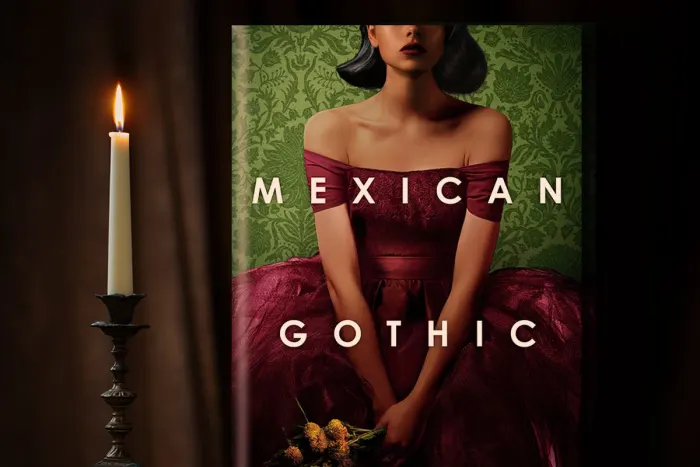
Mexican Gothic
I enjoyed this book by Silvia Moreno-Garcia from the first chapter, where everything the reader needs to know about the main character, Noemí, and the plot are related. It is an example of how the whole novel respects the reader's time. The atmosphere is thick and gothic but with plenty of more modern sensibilities to not make it feel old fashioned, which is a barrier for entry to some readers. The only gothic aspect that isn’t developed and explored is how in many gothic stories, a measure of understanding if not sympathy is cultivated for the antagonists. In Mexican Gothic, the antagonists are unrepentantly vile, though I don’t think that it’s much of a disservice to the novel as a whole.
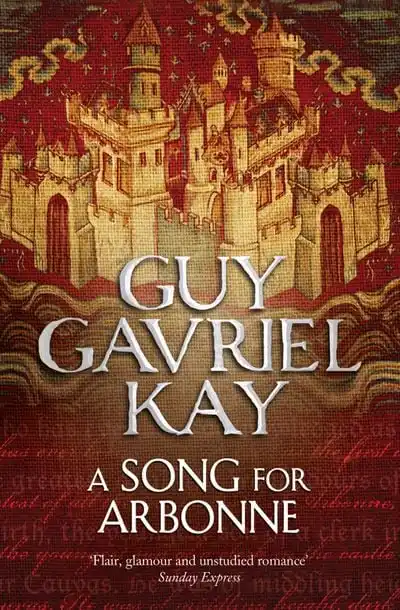
A Song for Arbonne
It took me a long time to finally discover Guy Gavriel Kay, but A Song for Arbonne is one of the best books I read in 2022. The writing, world-building, plot, and characters are all expertly done to create an engaging story and all in one book. At times, it reminded me of Ursula K. Le Guin more for its themes and accessible philosophical ruminations than because of any stylistic choices by the author. Not only is this a fantasy novel that should appeal to any fans of Lord of the Rings or Game of Thrones, it also has the flavor of Ivanhoe, Bernard Cornwell’s Saxon Stories, or even The Three Musketeers.

Trejo: My Life of Crime, Redemption, and Hollywood
Danny Trejo’s memoir is one of the best I’ve ever read. It is accessible and, if you’ve ever heard him give a talk or interview, it has his exact voice, too. If you’re looking for a lot of Hollywood gossip, this really isn’t the place to find it, as Trejo is more concerned with the trajectory of his life, and reflecting on how he goes from a hardened, drug-using criminal to a sober, accepting man, willing to question the circumstances of his life, both good and bad. To that end, there is much more reflection on the nature of addiction and recovery, the culture in which he grew up, and what it means to live a fulfilled life.
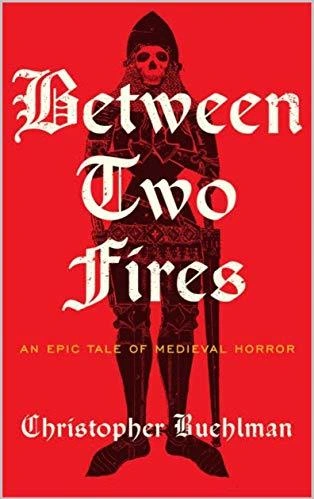
Between Two Fires
What I think I enjoyed most about Christopher Buehlman’s novel is how much I was surprised by it. I wanted to read a horror novel during October, and “an epic tale of medieval horror” sounded right up my alley. While the basics of the plot and characterization are all straightforward, and the language is not archaic or needlessly convoluted, the themes are rich and the book grows increasingly surreal as the characters trek toward Avignon to see the Pope who sits between the titular fires. In many ways, this book is what I hoped Catling’s Hollow would be. There are magic, monsters, angels, and devils in this ostensibly historical novel, and sticklers for history won’t be happy that this novel posits supernatural reasons for the Black Death. It’ll help to go into the novel by not thinking of it as a documentary or history textbook. The novel isn’t perfect, and the last quarter or so might be a stretch too far for some readers. This is a novel that has stayed with me after finishing it, though, so it did something right.
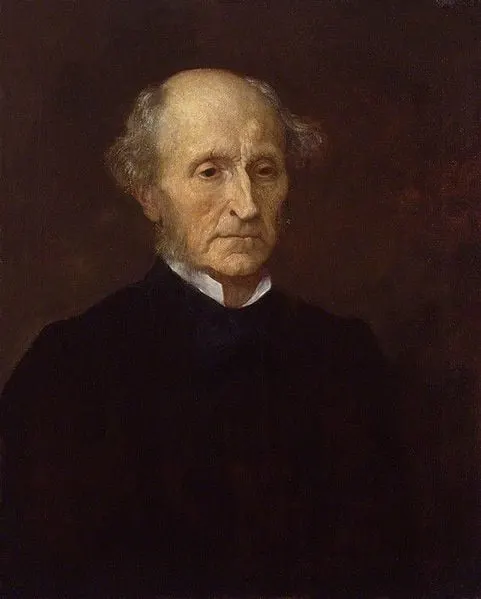
On Liberty
John Stewart Mill’s slim examination of what it means to be free in a free society is—a few historical anecdotes aside—just as relevant today as when it was written in 1859. It does what all worthwhile philosophy does in that it asks questions which at first might seem ridiculous—such as what does it mean to be free and what does one free person owe another if anything—and attempts to answer them intelligently. What are the limits on personal liberty? How much coercive power should any society have, be it a recognized government or any other organization such as religion or social group? While the prose might seem a little old fashioned, the core ideas and their exploration make for excellent and intellectually engaging reading, and despite the older styling, its language remains clear and accessible.
© 2022 Seth Tomko