In today’s digital age, inclusivity is more important than ever, and one of the key factors in creating an inclusive experience is ensuring that content is accessible to individuals with various visual impairments. One significant aspect of visual accessibility is color blind accessibility. For those with color vision deficiencies, designing websites, applications, and other visual media can present a major challenge. Understanding and implementing effective strategies to enhance color blind accessibility can significantly improve the user experience for millions of individuals.
Understanding Color Blindness
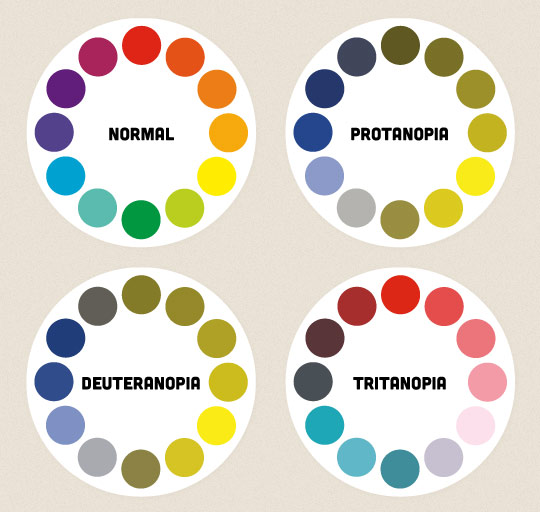
Color blindness, also known as color vision deficiency, refers to a condition where an individual has difficulty distinguishing certain colors or sees a limited range of colors. It affects approximately 8% of men and 0.5% of women worldwide. The most common types of color blindness include red-green color blindness, blue-yellow color blindness, and total color blindness. Each type presents unique challenges for those affected, particularly when color is used as the sole method of conveying information.
Why Color Blind Accessibility Matters
Ensuring color blind accessibility is essential for creating digital spaces that are usable by everyone, regardless of their visual abilities. Many websites, applications, and digital tools rely on color as a primary method of conveying important information, such as error messages, buttons, or links. For individuals with color blindness, this can lead to confusion, frustration, and even exclusion from essential content.
Moreover, with the increasing use of color-coded elements in both professional and everyday settings, accessibility should not be an afterthought. Failing to consider color vision deficiencies in design can inadvertently exclude a large portion of the population. By taking color blindness into account, designers ensure that their content is more universally accessible and equitable.
Effective Strategies for Improving Color Blind Accessibility
There are several strategies that designers and developers can employ to enhance color blind accessibility in their digital products:
- Use Text and Icons: One of the most effective ways to improve accessibility is by combining text or symbols with color. For instance, instead of relying solely on a red color to indicate an error, a designer can use an icon, such as an exclamation point, alongside the color to make the message clear to all users.
- Choose High-Contrast Color Combinations: Selecting colors with high contrast can help make content more distinguishable for individuals with color blindness. Tools like color contrast checkers can help designers evaluate whether their color choices are accessible to users with different types of color vision deficiencies.
- Utilize Color Blindness Simulators: Designers can use tools and simulators to see how their designs appear to individuals with color blindness. These simulators can help identify problem areas and ensure that key information is still visible and understandable.
- Avoid Color as the Sole Indicator: When conveying important information, avoid using color as the only method of communication. For example, instead of relying solely on color to indicate a successful submission, provide additional visual cues such as a checkmark or a message that confirms the action.
- Offer Customizable Color Options: Another way to enhance accessibility is by providing users with the option to adjust color settings within the application or website. This flexibility ensures that users with varying degrees of color vision deficiencies can tailor the interface to their needs.
Conclusion
Prioritizing color blind accessibility is a crucial step in making digital content and services more inclusive. By implementing thoughtful design choices, such as using high-contrast colors, incorporating text and icons, and avoiding color as the only indicator, designers can create more accessible and user-friendly experiences. Making these adjustments benefits not only individuals with color blindness but also the broader user base, contributing to a more equitable and inclusive digital world.