The honest answer to whether an online retreat can replace an in-person one is no — and framing the question that way misses what makes online mindfulness retreats genuinely valuable. A video call and a silent mountain retreat center are different containers producing different experiences, in the same way that reading about swimming and being in the water are different activities. What online retreats can do — when designed with seriousness and taught by qualified teachers — is provide structured, immersive practice that is meaningfully different from ordinary daily meditation and accessible to people for whom in-person attendance isn't currently possible.
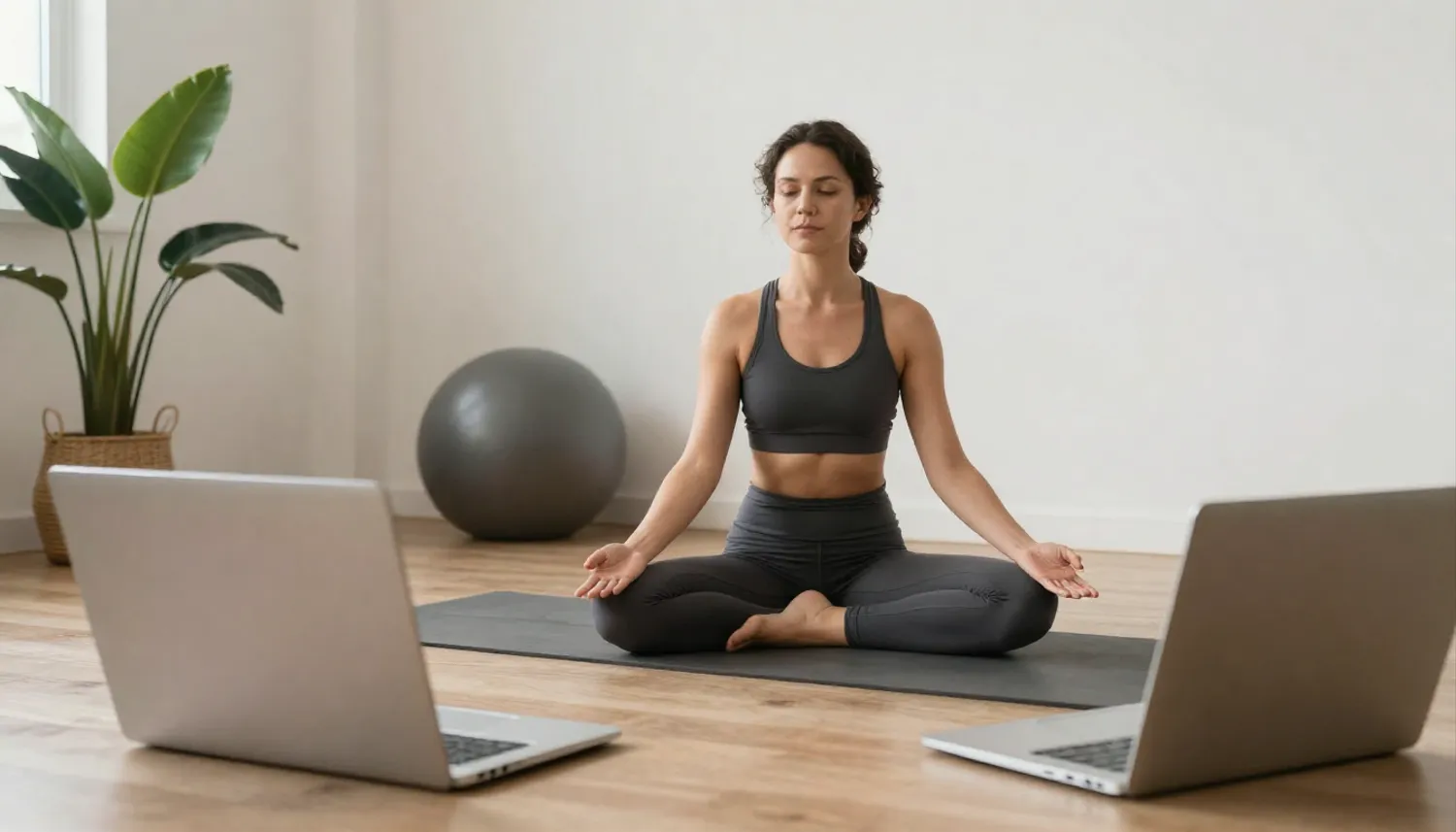
The format has matured considerably since the early pandemic period when everything moved online by necessity rather than design. What began as a compromise has, for many providers, become a deliberately developed offering with its own logic. The best online retreats now incorporate live group sits, real-time teacher guidance, one-on-one check-in periods, and a silence protocol that participants are genuinely expected to honor throughout the program. The technology facilitates rather than dominates, which changes the experience significantly compared to simply watching a series of videos.
What online retreats sacrifice is primarily environmental. The effect of leaving one's home, traveling to a dedicated space, and being physically surrounded by others engaged in the same practice creates a quality of immersion that a home setup cannot fully replicate. The commute to the meditation hall is part of the transition into practice. The shared silence of a room full of people is felt differently than the virtual silence of a muted video grid. These are real differences, and they're worth acknowledging rather than dismissing.
What online retreats gain in return is accessibility that in-person programs can't match. Someone with caregiving responsibilities, a limited budget, physical health constraints, or geographic distance from quality retreat centers can participate in a genuinely structured program without any of those factors being barriers. For this group, an online retreat isn't a compromise. It's the option that actually exists, and a well-designed one is considerably more valuable than no retreat experience at all.
The most effective online retreats tend to be those that ask participants to create genuine conditions at home rather than simply logging in from their usual environment. Clearing a dedicated space, informing household members of the schedule, reducing non-retreat screen use, and honoring the silence protocol with the same seriousness that would be expected in person — these choices close much of the gap between formats. The container is partly environmental and partly intentional, and the intentional component is fully within a participant's control regardless of location.
For practitioners who have completed in-person retreats and want to maintain momentum between them, or for those whose first retreat experience needs to begin somewhere accessible, online formats fill a genuine and important role in a sustained practice. The key, as with in-person options, is choosing a program taught by qualified teachers with real structure rather than a loosely organized collection of guided sessions. For those ready to begin, a well-structured meditation course online offers a practical bridge between everyday practice and the depth of a full retreat experience.