Few words carry more misunderstanding in contemporary spiritual culture than enlightenment. It has been simultaneously over-promised by spiritual marketers, dismissed by materialists, and idealized into impossibility by well-meaning practitioners who genuinely want it but can't imagine actually attaining it. Enlightenment meditation — stripped of its mythology and understood honestly — points toward something genuinely real, genuinely achievable, and genuinely the most significant transformation available through human contemplative practice.
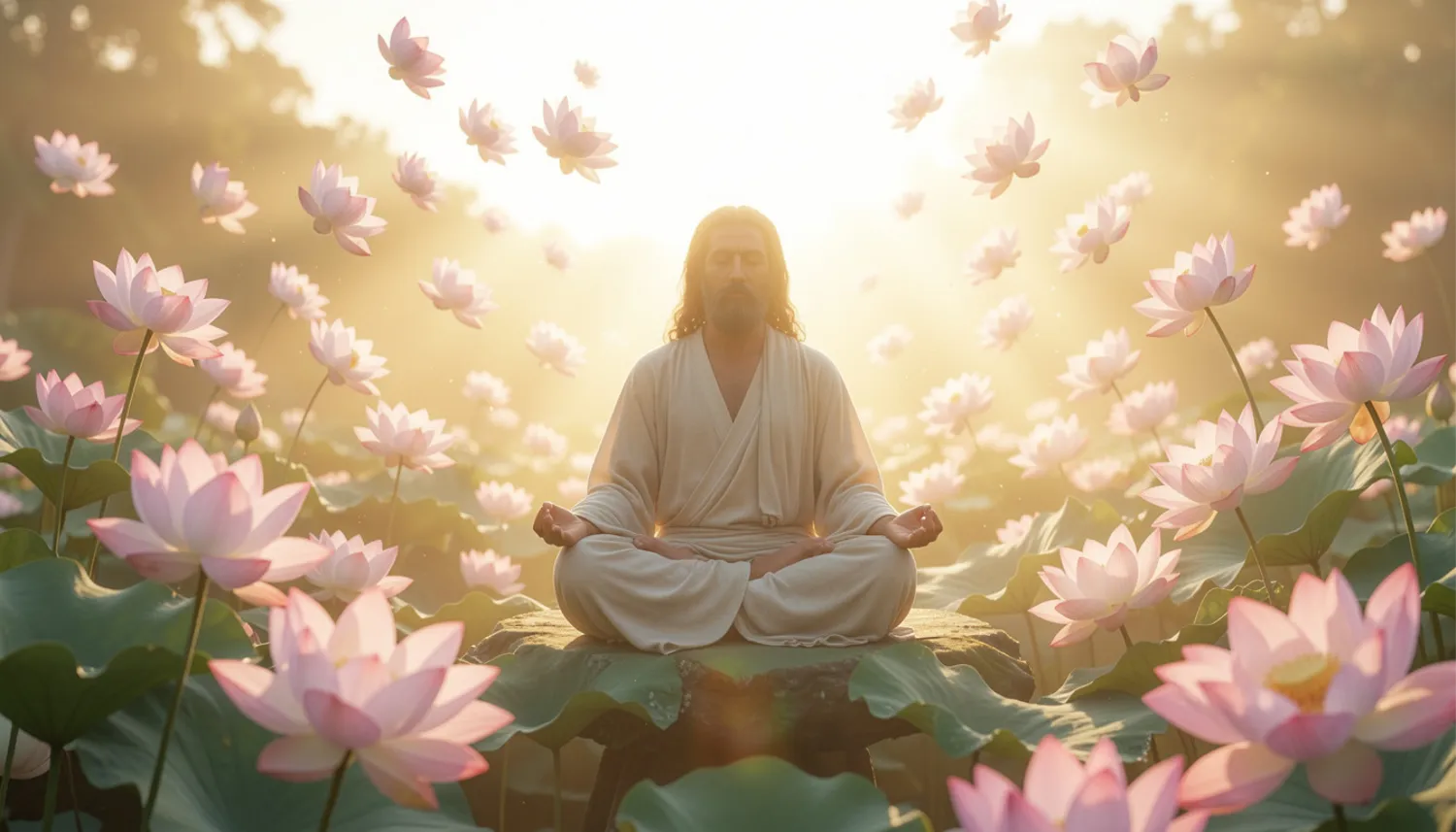
This guide approaches enlightenment practically — what it actually is, what practices most directly support it, what conditions make it most accessible, and what genuine awakening looks like in the context of an ordinary human life.
What Enlightenment Is — and Isn't
Before exploring practices, the misconceptions need clearing — because they create more obstacles to genuine practice than almost anything else.
Enlightenment is not permanent bliss. Awakened teachers experience the full range of human emotion — pain, frustration, grief, and joy. What changes is not the content of experience but the relationship to it. Experience is met with clarity and openness rather than with the chronic resistance and identification that generates ordinary suffering.
Enlightenment is not the elimination of thought. The mind continues to think. What changes is the degree to which thoughts are unconsciously believed, identified with, and acted from without awareness. The practitioner who has awakened still thinks constantly — but no longer mistakes thought for the totality of what they are.
Enlightenment is not a one-time event. Traditional teachings across traditions describe initial awakening experiences — genuine and significant — followed by decades of deepening integration. What is recognized in an initial awakening continues to deepen, stabilize, and express itself more completely throughout a lifetime of continued practice.
Enlightenment is not reserved for special people. Every major tradition that teaches genuine awakening insists the capacity is universal — the birthright of human consciousness, not a gift bestowed on exceptional individuals.
What enlightenment actually points toward: a fundamental shift in the basic structure of identity — from identifying with the contents of experience (thoughts, emotions, sensations, the narrative of self) to recognizing the awareness in which all contents arise. This recognition, when stable, produces what practitioners describe as natural ease, unconditional okayness, and spontaneous compassion — not because circumstances are perfect, but because the ground from which experience is met is no longer confusable with its objects.
Meditation for Peace and Happiness: The Foundation of Awakening Practice
Meditation for peace and happiness is not separate from the awakening path — it is its foundation. The nervous system dysregulation, chronic anxiety, and emotional reactivity that characterize unprepared consciousness create neurological conditions that make the subtler dimensions of awakening practice genuinely inaccessible.
Before engaging specific awakening-focused practices, practitioners need the stable inner ground that peace practices develop. Breath awareness, body scan, loving-kindness, and equanimity cultivation create the physiological and psychological stability from which insight practice can operate effectively.
This developmental sequence — from stress relief through inner peace toward genuine awakening — is not a hierarchy of value. Every stage has its own complete worth. But understanding that genuine awakening builds on a foundation of cultivated peace prevents the common error of attempting advanced insight practice without adequate preparation — which typically produces conceptual understanding rather than genuine realization.
Mindfulness Meditation Retreat: The Most Direct Path to Awakening
Mindfulness meditation retreat — particularly in the vipassana (insight meditation) format — is the context in which most Western practitioners who report genuine awakening experiences describe those experiences occurring.
The reason is straightforward: awakening requires a quality of sustained, precise investigation that daily practice, however consistent, rarely achieves continuously. The interruptions of ordinary life — the emails, the responsibilities, the social demands — break the momentum of deepening investigation before it reaches the subtler levels where the most significant insights arise.
Retreat removes these interruptions. With sustained practice time, expert guidance, community support, and the removal of ordinary life momentum, investigation deepens to levels that daily practice builds toward but rarely reaches. The accumulation of practice hours within the retreat container creates conditions that produce, in many practitioners, the first genuine taste of the insights that the traditions describe as initial awakening.
Meditation Retreat United States: Accessing Awakening Practice Domestically
Meditation retreat united states offers serious practitioners access to awakening-focused retreat programs without international travel. Several US retreat centers — particularly in California, New England, and the Southwest — offer programs specifically designed for practitioners ready to engage the deepest levels of insight practice.
These programs distinguish themselves from general mindfulness retreat through explicit instruction in insight methodology — the precise investigation of impermanence, suffering, and non-self that produces the specific insights associated with awakening. Individual teacher meeting schedules are more intensive than general retreat formats. Teacher selection criteria emphasize documented personal realization rather than only teaching credentials.
For practitioners with solid foundations — consistent daily practice over multiple years and prior retreat experience — these specialized domestic programs provide genuine opportunity for the kind of insight breakthrough that the traditions associate with initial awakening.
Online Mindfulness Retreats: Preparing the Ground for Awakening
Online mindfulness retreats serve serious practitioners in two important ways relative to awakening practice.
First, as preparation: online retreats provide the sustained intensive practice that builds the concentration and mindfulness foundation that awakening practice requires — more accessible than residential retreat for many practitioners, and genuinely effective at developing foundational skills when well-designed.
Second, as maintenance: between periods of residential retreat, online programs maintain the practice momentum and teacher relationship that sustain long-term awakening-focused development. Practitioners who attend residential retreat once or twice a year and engage with quality online programs between retreats develop significantly more rapidly than those relying solely on annual residential attendance.
Quality online programs for awakening-focused practitioners provide live instruction from teachers with documented personal realization, individual teacher access for practice questions, and community with fellow practitioners at similar stages of development.
The Daily Practice That Supports Awakening
Awakening practice at the daily level combines three elements that address concentration, insight, and heart development simultaneously:
Concentration foundation (20–25 minutes): Sustained single-pointed attention on the breath — training the stability of awareness that all deeper investigation requires. Without adequate concentration, the subtler insight observations become genuinely inaccessible.
Insight investigation (20–25 minutes): Systematic observation of arising and passing phenomena with particular attention to their three characteristics — impermanence, the nature of suffering, and the constructed nature of self. The question held not intellectually but as genuine present-moment investigation: "What is actually here? Who is aware?"
Loving-kindness (10–15 minutes): The heart practice without which concentration and insight can produce clarity without warmth — an incomplete awakening that lacks the compassionate dimension that genuine realization consistently includes.
This daily combination — sustained over months and years, supplemented by periodic intensive retreat — is the structure most consistently associated with genuine awakening development in Western practitioners.
Practical Steps Forward
For practitioners moved by this guide, here is the honest sequence of practical next steps:
Establish the foundation. If daily practice is not yet consistent and stable, that is the first priority. Twenty minutes daily, maintained for several months, before engaging specifically awakening-focused instruction.
Find a qualified teacher. The subtler levels of insight practice genuinely require guidance from someone who has personally traversed the path. Research teacher credentials, personal practice depth, and lineage before selecting a teacher relationship.
Attend intensive retreat. Even a single well-designed weekend retreat with excellent teachers begins revealing dimensions of practice that daily sitting only points toward. Quarterly retreat attendance builds the foundation for genuine awakening development most reliably.
Be patient without being passive. Awakening cannot be forced or scheduled. What is within your control — consistent daily practice, periodic intensive retreat, genuine teacher relationship, ethical foundation — are the conditions that most reliably produce the circumstances in which awakening occurs naturally.
Conclusion
Enlightenment meditation is not a fantasy reserved for monks in Himalayan caves. It is a documented human possibility — available to sincere practitioners with adequate preparation, qualified guidance, and the willingness to genuinely engage the practices that have produced genuine awakening across centuries of human contemplative history.
The path is here. The teachers are available. The practices are accessible. And every step taken in genuine practice is itself already the goal, recognized or not. Explore awakening practice programs at Z Meditation — visit zmeditation.com for the complete range of programs supporting genuine contemplative depth.
Frequently Asked Questions
1. Is enlightenment achievable for a modern practitioner with a family and career?
Yes — many deeply realized practitioners are householders with full lives. The path is compatible with ordinary life, though it requires genuine commitment of daily time and periodic retreat attendance.
2. How do I know if I've had a genuine awakening experience?
Bring any significant experience to a qualified teacher. The most reliable indicators are lasting behavioral changes — reduced reactivity, increased compassion, stable equanimity during difficulty — rather than extraordinary experiences during meditation.
3. What is the single most important step toward genuine awakening?
Consistent daily practice combined with periodic intensive retreat under qualified teacher guidance. This combination — sustained over years — is what produces genuine awakening most reliably.
4. Do I need to follow a specific tradition to pursue enlightenment?
Not necessarily. While most practices come from specific traditions, they are accessible to practitioners of diverse backgrounds. What matters is the sincerity of engagement, the quality of teaching, and the consistency of practice.
5. How long does the path to enlightenment take?
No single answer exists. Initial awakening experiences are documented across timelines ranging from months to decades. What is consistently associated with faster development: intense sincerity, qualified guidance, frequent retreat, and genuine non-attachment to outcomes.