The weekend meditation retreat is the most widely attended retreat format in the Western contemplative world — and for excellent reasons. It's long enough to produce genuine depth. Short enough to fit into working adult schedules. Accessible enough for beginners. And rich enough to satisfy experienced practitioners looking for renewal.
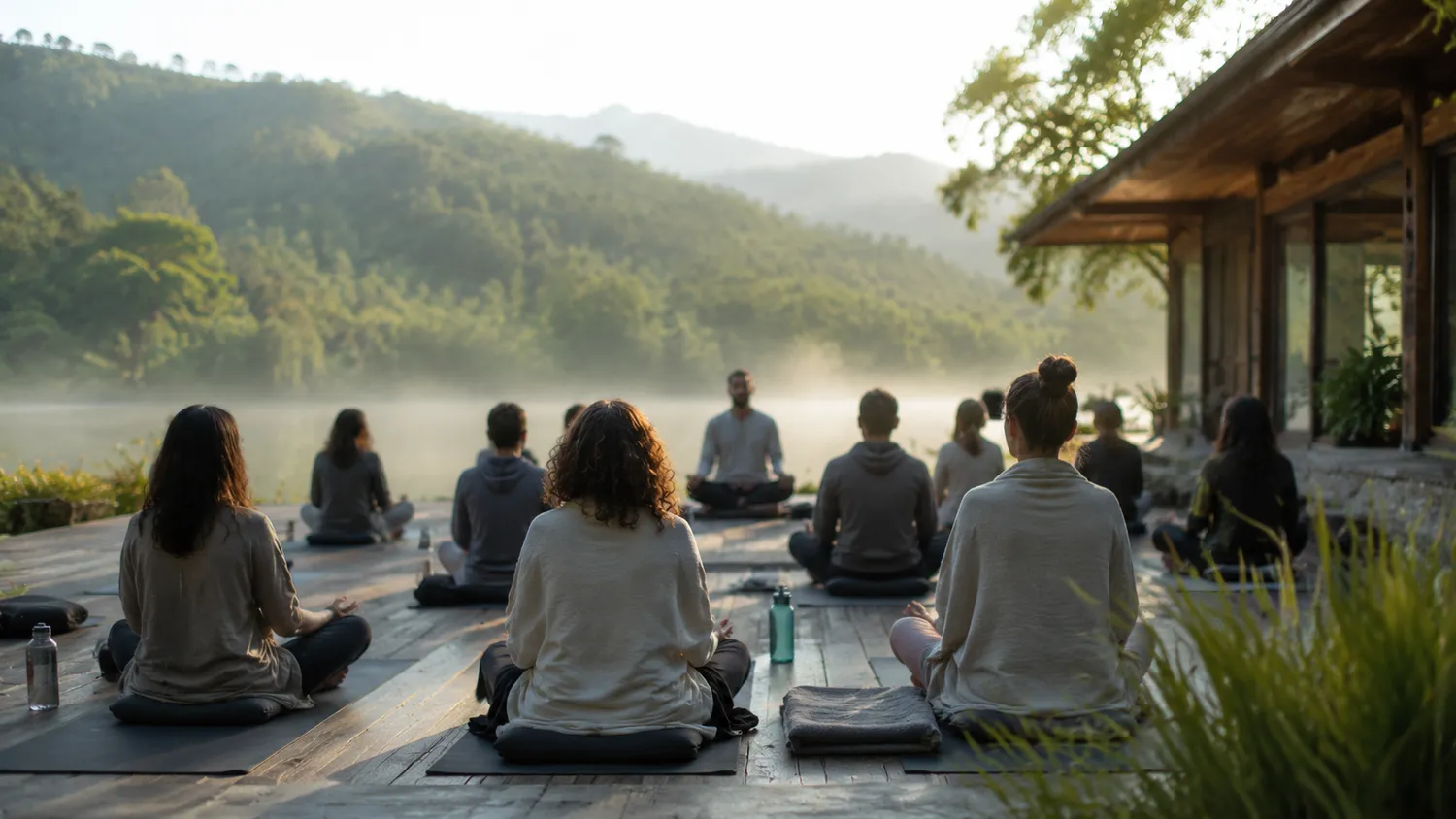
This guide covers everything you need to find, choose, prepare for, and fully benefit from a weekend retreat — whether it's your first or your fifteenth.
Why a Weekend Is More Than Enough Time
"A weekend doesn't seem like enough time to go really deep" — this is one of the most common concerns about the weekend retreat format. It's also consistently disproven by the experience of practitioners who attend them.
Forty-eight hours of immersive, guided practice with expert teachers in a supportive community removes enough of the ordinary life context — screens, obligations, habitual patterns, social performance — that something genuinely different becomes accessible. Not different in kind from what longer retreats provide, but meaningfully different from what daily home practice achieves.
By Saturday evening of a well-designed weekend retreat, most practitioners notice a quality of presence and stillness that their daily practice builds toward but rarely reaches. That experience — however briefly touched — changes what feels possible and what the practitioner returns to working toward in daily life.
Weekend Meditation Retreat Near Me: How to Find the Right One
Weekend meditation retreat near me — the search that begins a thousand contemplative journeys. Here's how to make it productive:
Layer your search strategies. Online searching is a starting point, not a complete strategy. The most excellent retreat centers are often best found through local meditation communities, sitting groups, yoga studios, and word-of-mouth networks. A brief conversation with an active local practitioner can surface options that never appear in search results.
Search with specificity. "Weekend meditation retreat [your city or region]," "silent weekend retreat [your state]," "mindfulness retreat weekend [your area]" — specific searches return more relevant results than generic queries.
Evaluate teachers before centers. The single most important variable in retreat quality is the depth and skill of the teachers. Research their training, lineage, and years of personal practice before reading any other review or description.
Attend a shorter program first. Many excellent centers offer public sits, introduction evenings, or day-long programs that provide direct experience of the environment, teachers, and community before committing to a weekend retreat.
Spiritual Retreat Centers Near Me: What to Look For
Spiritual retreat centers near me vary enormously in quality, approach, and atmosphere. These are the factors that genuinely matter:
Depth of teaching lineage. The most powerful retreat centers are rooted in living contemplative traditions with centuries of accumulated wisdom. This doesn't mean they're rigidly traditional — but their approach has been tested and refined over generations rather than assembled from contemporary wellness trends.
Teacher accessibility. The best retreat formats include individual or small-group meetings with teachers — not just group sessions. The capacity to bring your specific practice questions and experiences to a teacher who responds to you personally is irreplaceable.
Post-retreat support. Quality centers don't end their relationship with participants at departure. Follow-up resources, online communities, ongoing classes, and access to teachers between retreats help practitioners integrate what arose and maintain practice momentum.
Physical environment. While not the primary variable, natural beauty and appropriate quiet amplify retreat practice. Forested settings, garden environments, and spaces away from urban noise all contribute meaningfully to the retreat experience.
Weekend Silent Meditation Retreat: Going Deeper
A weekend silent meditation retreat adds the practice dimension most associated with genuine depth: noble silence. Practitioners refrain from unnecessary speech, social interaction, reading, and digital engagement throughout the retreat period.
The silence serves a specific purpose: it removes the primary mechanism through which most people avoid direct encounter with their own inner experience. When you cannot talk, scroll, or distract yourself with social performance, you're left with your actual experience — and the opportunity to know that experience with clarity and honesty that ordinary life rarely permits.
Most practitioners describe the first few hours of silence as strange — the habitual social machinery runs without an audience, and the strangeness is disorienting. Within a day, the strangeness typically gives way to something remarkable: the relief of not performing, the spaciousness of genuine quiet, the discovery of what's actually present when the noise stops.
For practitioners who have attended one or two standard weekend retreats, a silent format represents the natural next step in depth.
Weekend Silent Retreat Near Me: Evaluating Silence Programs
Weekend silent retreat near me searches require specific evaluation questions:
How exactly is silence maintained — complete noble silence, or silence with specific exceptions? What support is available if significant emotional difficulty arises during the silence? Are individual teacher meetings scheduled during the silent period? What is the silence policy for genuine practical needs?
Quality centers answer these questions readily and in detail. Vagueness or defensive responses to specific questions about silence protocols are meaningful signals about the quality of the program's overall approach.
The Complete Weekend Retreat Preparation Plan
Three weeks before:
Begin or strengthen a daily sitting practice — even 10–15 minutes daily. Gradually reduce digital stimulation: less social media, less news, more quiet. Begin going to bed 30 minutes earlier if the retreat schedule requires early mornings.
One week before:
Handle all significant work and family logistics. Have conversations that need to happen before you go. Notify key people in your life that you'll be unreachable. Clear your schedule in the days immediately after the retreat for gentle re-entry.
Two days before:
Pack completely and simply. Comfortable, muted clothing. Walking shoes. Any necessary medications. Journal if the retreat permits writing. Leave all other reading material and devices behind.
Day of arrival:
Build in 30–60 minutes more travel time than you think you need. Arriving rushed compromises the settling process significantly. Begin the retreat mentally before you arrive — reduce phone use and stimulation during the journey.
Making the Most of Your Weekend Retreat
Take every period of practice seriously. Meal periods, walking periods, and rest periods are all part of the retreat. The mindfulness maintained throughout — not just during formal sitting — determines the depth of the experience.
Bring your difficulties to teachers. If you encounter significant emotional material, physical discomfort, or confusion about practice, bring it directly to a teacher rather than sitting alone with it. This is what teachers are there for.
Don't evaluate the retreat while it's happening. The instinct to assess — "Is this working? Is this worth it? Should I leave?" — is itself a product of the habitual mind looking for an escape route. Notice the instinct without acting on it.
Protect the re-entry. The quality of your first 24–48 hours after the retreat significantly determines how much of the retreat benefit you carry forward. Protect this time from heavy digital stimulation and social obligation.
Conclusion
A weekend meditation retreat is one of the most efficient and genuinely valuable investments you can make in your own inner development. Two days, done well, can change the quality of months that follow.
Find the right program, prepare thoughtfully, engage fully — and let the retreat do what retreats do when given genuine attention. Explore weekend retreat programs at Z Meditation and visit https://zmeditation.com/ for upcoming programs.
Frequently Asked Questions
1. How do I choose between a silent and non-silent weekend retreat?
If you're a first-timer, a standard (less strictly silent) format is usually more accessible. If you've attended one or two standard retreats, a silent format offers the natural next step in depth.
2. What should I do if I feel the urge to leave during the retreat?
Speak with a teacher before acting on it. This urge is almost universal at some point in most retreats — and almost always represents the practice working rather than a genuine sign to leave.
3. How do I handle work obligations during a weekend retreat?
Handle them completely before you go. Set an out-of-office reply, inform key colleagues, and create genuine permission for yourself to be unreachable. Most "urgent" work obligations turn out to be manageable.
4. Are weekend retreats suitable for people with significant health issues?
Often yes — with appropriate modifications. Contact the retreat center before registering to discuss any significant physical or mental health history. Most quality centers are skilled at accommodating diverse needs.
5. Can children attend weekend meditation retreats?
Some centers offer family retreats or youth programs. Standard adult retreats are not appropriate environments for children. Check with specific centers about their policies and programs for younger practitioners.