The body knows how to heal. Given the right conditions — rest, nourishment, reduced stress, and genuine inner quiet — it moves naturally toward restoration. The problem is that modern life rarely provides those conditions. Chronic stress, poor sleep, and constant stimulation keep the nervous system in a state of low-grade emergency that actively impedes the healing process.
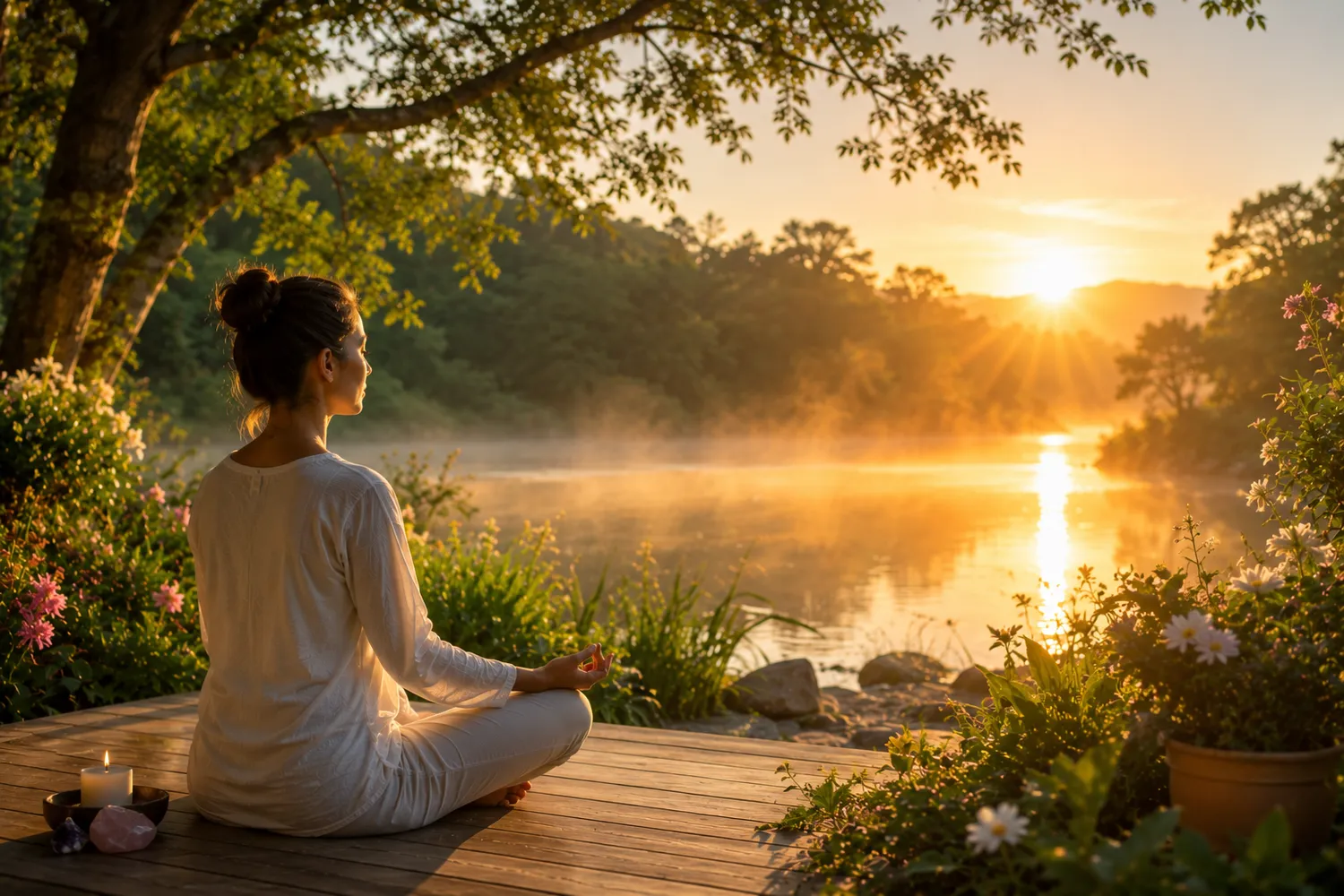
Meditation for healing addresses this directly. Not by fighting illness or forcing recovery, but by creating the interior conditions in which the body's natural healing intelligence can do its work. This guide explores how — practically, specifically, and with the depth the subject deserves.
The Science of Meditation and Healing
The relationship between mental states and physical health is no longer fringe science. Psychoneuroimmunology — the study of how psychological states affect immune function — has produced decades of compelling research showing that what happens in the mind directly influences what happens in the body.
Here's what the research consistently shows about meditation's physical effects:
Cortisol reduction. Chronic stress keeps cortisol elevated, suppressing immune function, promoting inflammation, and impairing tissue repair. Regular meditation practice consistently and significantly reduces cortisol levels — creating the hormonal conditions the body needs to heal.
Immune enhancement. Multiple studies have found that mindfulness meditation increases natural killer cell activity and improves overall immune response. One landmark study found measurable immune improvements in participants after just eight weeks of MBSR practice.
Inflammation reduction. Inflammatory markers including C-reactive protein and interleukin-6 show consistent reductions in meditators compared to non-meditating controls. Since chronic inflammation underlies many serious diseases, this is profoundly significant.
Telomere preservation. Telomeres — the protective caps on chromosomes that shorten with aging and stress — show less shortening in regular meditators, suggesting that practice may slow cellular aging itself.
Best Guided Meditation for Healing Illness
Best guided meditation for healing illness involves a teacher or recorded voice leading you through practices specifically designed to support physical recovery. The guidance serves two purposes: it keeps attention focused (which prevents the mind from generating additional stress), and it directs awareness toward healing in specific, intentional ways.
The most effective guided healing practices include:
Body Scan Meditation
A systematic movement of awareness through the body, from head to feet, noticing sensation in each region without judgment. This practice:
- Activates the parasympathetic nervous system
- Identifies areas of held tension that may be impeding circulation and repair
- Develops the sensitivity to perceive subtle healing processes
- Builds the connection between mind and body that is foundational for healing
Practice: Lie comfortably. Beginning at the crown of the head, move awareness slowly downward through each part of the body. At each area, breathe gently into that space. Notice sensation without trying to change it. Take 30–45 minutes if possible.
Healing Visualization
Visualization practices use the mind's capacity to influence physiological processes through directed imagery. Research has documented that vivid mental imagery activates many of the same neural pathways as actual physical experience.
Practice: After entering a relaxed state through breath awareness, visualize healing energy or light moving through the body. Imagine affected areas receiving nourishment, repair, and restoration. The specific imagery matters less than the quality of attention and the depth of relaxation in which the visualization occurs.
Loving-Kindness for Self-Healing
Self-directed loving-kindness — extending genuine goodwill and care toward yourself and your body — has measurable effects on immune function and pain perception. For many people, illness brings self-criticism and frustration with the body. This practice directly counters those patterns.
Practice: Rest comfortably. Place one hand on your heart. Silently repeat: "May I be well. May my body be supported in healing. May I be at ease." Hold yourself with the same tenderness you'd extend to a dear friend who was suffering.
Meditation for Stillness: The Healing Power of Not Doing
Meditation for stillness occupies a special place in healing practice. Most healing approaches are active — take this supplement, do this exercise, follow this diet. Stillness practice is different. It asks nothing of the body except permission to rest deeply.
True stillness isn't forced or achieved. It's what remains when you stop generating unnecessary mental activity. When the nervous system finally discharges its accumulated stress load and settles into genuine quiet, healing processes that have been impeded can finally proceed.
Cultivating stillness requires patience and a willingness to release the productivity orientation that many people bring even to their healing practice. You don't need to meditate well. You don't need to reach a particular state. You simply need to create space — again and again — for the body's intelligence to operate without interference.
Practical stillness practice:
- Commit to 20–30 minutes of complete physical stillness daily
- Use a comfortable lying or seated position that requires no active muscular effort
- If pain or discomfort makes stillness difficult, use gentle breath awareness to work with it rather than against it
- Trust the process — even sessions that feel like "nothing happened" accumulate into meaningful healing over time
Integrating Healing Meditation With Medical Treatment
Meditation is not an alternative to medical care — it is a powerful complement to it. The two approaches work on different levels: medicine addresses the physical pathology directly; meditation addresses the physiological conditions that affect how the body responds to treatment and how completely it recovers.
Research across multiple conditions — cancer, heart disease, chronic pain, autoimmune disorders, and others — consistently shows better outcomes when meditation is integrated alongside conventional treatment. Patients report reduced treatment side effects, improved sleep, lower anxiety, and importantly, a sense of active participation in their own healing.
Inform your medical team that you're practicing meditation. Most will be supportive; many will actively encourage it.
Building a Healing Meditation Practice
Consistency matters more than duration. Here's a sustainable healing practice framework:
Morning (15–20 minutes): Body scan or breath awareness. Intention-setting for healing. This prepares the nervous system for the day ahead from a place of relative calm.
Midday (5–10 minutes): Brief stillness practice. Three deep breaths. A body check-in. Recalibration before the afternoon.
Evening (20–30 minutes): Healing visualization or loving-kindness. Allow the body to release the day's accumulated tension. Prepare for deep, restorative sleep.
Sleep itself is perhaps the most powerful healing intervention available. Meditation significantly improves both sleep quality and duration — making consistent evening practice particularly valuable for anyone navigating illness or recovery.
Conclusion
Meditation for healing isn't magic — but it does access something real and powerful: the body's own extraordinary capacity for restoration when given the right conditions. By reducing stress, improving sleep, enhancing immune function, and developing the mind-body connection, regular healing meditation practice creates a physiological environment in which recovery becomes genuinely more possible.
You don't need to be perfectly healthy to begin. You don't need to practice perfectly. You simply need to begin — to create that space of stillness, again and again, and trust the intelligence that's been healing bodies long before any of us existed.
Frequently Asked Questions
1. Can meditation actually heal illness?
Meditation supports healing by reducing stress hormones, improving immune function, decreasing inflammation, and enhancing sleep quality. It's a powerful complement to medical treatment, not a replacement.
2. What type of meditation is best for healing?
Body scan meditation, healing visualization, and loving-kindness practice are the most widely used and researched for healing. Guided sessions with an experienced teacher provide the most benefit for beginners.
3. How long should I meditate for healing benefits?
Even 15–20 minutes daily produces measurable physiological benefits. Longer sessions (30–45 minutes) are recommended when managing significant illness or chronic pain.
4. Is guided meditation better than silent meditation for healing?
For most people navigating illness, guided meditation is more effective because it keeps the mind focused and prevents stress-generating mental wandering. As practice matures, silent practice becomes equally valuable.
5. Can meditation reduce chronic pain?
Yes. Research consistently shows that mindfulness meditation reduces the subjective experience of chronic pain and improves pain-related quality of life, even when the underlying physical cause remains.
Heal From the Inside Out
Z Meditation offers expertly guided healing meditation programs that complement your existing treatment and support your body's natural recovery. Visit zmeditation.com/the-work/ to explore programs designed specifically to support healing, restoration, and deep wellbeing.