There is a version of the weekend retreat that exists primarily as a marketing category — attractive photography, vague promises of renewal, and a schedule that fills every hour with activities dressed up as mindfulness. And then there is the version that actually works: structured, held in genuine silence, taught by people who have practiced seriously themselves, and designed with enough space in it for the mind to actually settle rather than simply move from one stimulating experience to the next. Knowing the difference before booking matters considerably, which is why searching for a weekend meditation retreat near me is only the beginning of the selection process rather than the end of it.
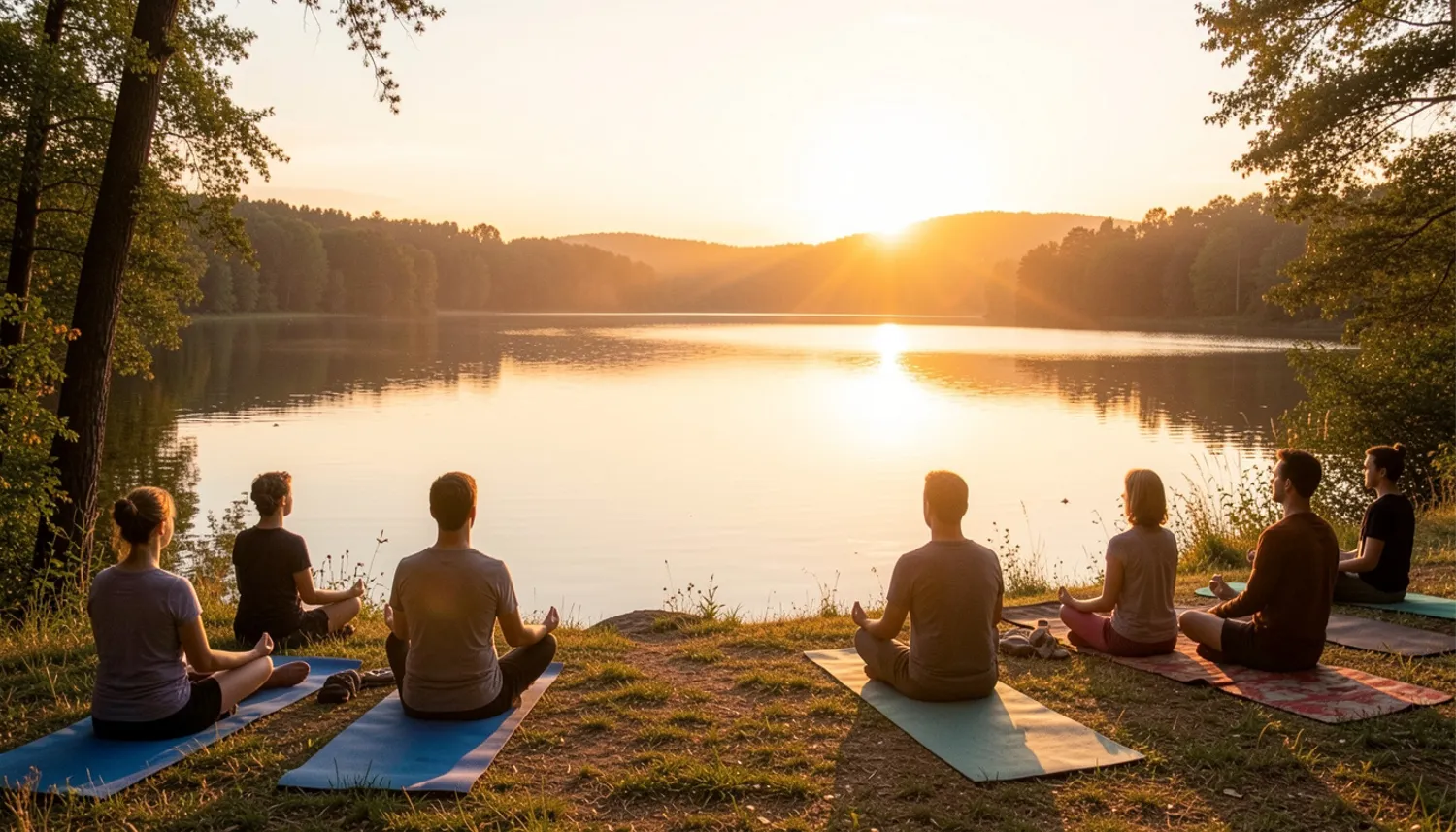
The first filter worth applying is the silence question. A weekend retreat that includes optional silence or encourages quiet without structurally holding it is a different experience from one where silence is comprehensive and genuinely maintained by all participants. The difference in what's produced is significant. Partial silence allows the social mind to remain active, monitoring, performing, and managing impressions even at a reduced level. Complete silence removes this layer entirely, producing the distinctive spaciousness that makes retreat experience qualitatively different from a quiet day at home.
The second filter is teacher depth. A two-day retreat has no time to waste on instruction that isn't precise and relevant. A teacher who has practiced seriously for a decade or more and taught regularly during that time has encountered the full range of what arises in beginning and intermediate practitioners and knows how to meet it efficiently. A less experienced teacher may be warm and well-intentioned and still be unable to provide the real-time guidance that a compressed retreat format requires to deliver genuine value.
Location matters in ways that extend beyond simple convenience. A retreat environment that is genuinely removed from the visual and auditory cues of daily life — no traffic sounds, no familiar commercial environments, no built landscape that triggers ordinary associations — creates a more complete transition into practice than one held in an urban center where the outside world remains continuously visible and audible. This doesn't require wilderness. It requires enough environmental difference to support the psychological shift that retreat is designed to produce.
What to bring matters more than most first-timers realize. Comfortable, non-restrictive clothing in layers covers the temperature variability of meditation halls. Any regular medication, personal items needed for sleep quality, and a genuine willingness to follow the schedule without negotiating exceptions are the practical foundations. What to leave behind matters equally: the expectation that two days will resolve anything specific, the measuring of progress against an imagined standard, and the phone, which most serious retreat programs ask participants to store away for the duration.
The cumulative effect of a well-chosen weekend retreat — the environmental shift, the silence, the structured practice, the teacher's guidance — produces something that most participants describe as feeling considerably longer than two days. The mind, given genuine conditions for settling, moves faster than ordinary life allows it to. For those wanting to build on this experience with a longer format, a weekend meditation retreat is an ideal starting point for understanding what sustained retreat practice can offer before committing to a longer program.