History of Kurdish music (biography of a famous Kurdish singer)
Kurdish music is the common language of the Kurdish people. This music is very rich due to the expansion and spread of Kurds in the world and the number and diversity of Kurdish regions, including in West Asia and the Middle East. Kurdish music includes voices, songs, songs and songs that are expressed in the Kurdish language and express the values, beliefs and events of the time, which is under the branch of Kurdish culture and folklore. This music consists of two parts, classical and modern, each of which has its own types and branches.
Before reading Kurdish music, read Morteza Pasha's biography ...
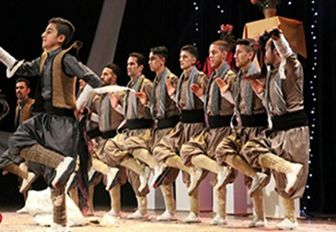
history
Kurdish music among the people of Kurdistan has an unbreakable link with the daily life of the people.
Legends and songs
The emergence of Kurdish music, like most other peoples, started from Kurdish legends, in this part, the legends are told in the form of Kurdish songs. These songs are divided into Divani songs in Kurdish culture, and most of their content is Kurdish legends, which have an epic form.
The first forerunners of Kurdish art were the literary and musical art of Kurdish epics. The most famous person who played this type of music was "Kavis Agha" whose songs are the epics left by the past.
The music of anecdotes and stories
Another type of Kurdish folklore music is related to anecdotes and stories, which can be divided into two parts: heroic and endearing. Heroic songs deal with the bravery and struggles of a hero. Romantic and romantic aspects between two people are expressed in the songs of Dildadeh, among which, the song "Zanbil Farush" which has a mystical aspect and the songs "As and Hasan" and "Kheje and Siyamand" which tells the story of two lovers, are among the most famous works in this section.
Professor Hassan Rasool, known as Hassan Sisawayi, has written these beautiful stories with wonder. Among the most famous authentic Kurdish stories, we can mention Mam, Zain, Khajeh, Siamand, etc.
In another part of Kurdish music, the "Sorani" Kurds have a special type of music for themselves, which they call "Gorani". This type of song is called "Laoje" among the Kurds around Urmia and the Kurds of Turkey (North) and this type of Gorani has a rhythm called "Qatar" which researchers believe is derived from the Zoroastrian word "Gata" which is related to a series of prayers. And it was a religious ceremony.
The second type of this music is called "Hoora" which is specific to the Kurds of Ilam and Kermanshah and it is sung in southern Kurdistan and Kermanshah region (Kurdish name of this region is Kermashan) and Ilam. At first, there were special songs in praise and prayer of "Ahura Mazda" and this word also has Zoroastrian roots, which were written for the religious prayers of the Kurds who were Zoroastrian at that time.
Also, Kurdish songs are divided into different sections, most of the fans have turned to happy Kurdish songs.
In the commemoration ceremony of very important people, Kurds use a type of music that is similar to dirge and mourn in the form of a song and by defining the characteristics of that person. This style of music is more popular in the south of Kurdistan and in the southern regions of Iran's Kurdistan (Kermanshah and Ilam) and it is called more or more. In the burial ceremony, a combination of the dahl and serna with a special rhythm is performed in the form of a type of music called chamri. In the rites of the Prophet's birthday, the Kurds perform a special type of music called "Moloudi". Of course, birth reading is common in most Muslim societies. The first Mawladnameh describing and praising Muhammad was written by the famous Sufi and mystic "Molabatdiy" who later became a custom to use his poems in the Mawoldi readings.
The most famous birth names of Kurdish singers:
Sayyed Mohammad Shams Qureshi is alive and Khalifa Mirza Agha Ghouthi is alive. Both of them were born in Sanandaj.
In parts of the music, we can also mention the sad Kurdish song, which is played in different styles, including rap, hiran, and pop.
The most original instruments used in Kurdish music are "Serena" and "Dehl" and later the instruments that entered this type of music such as "Daf" and "Tanbur" have gained special importance. In such a way that some consider Kurdistan to be the capital of Def in the world. For more information, you can refer to "Majhovi Edehbiy Kurdi" by Aladdin Sajjadi and a research in Kurdish folklore. Kurdish music is to some extent a symbol of joys and sorrows after the end of every war.
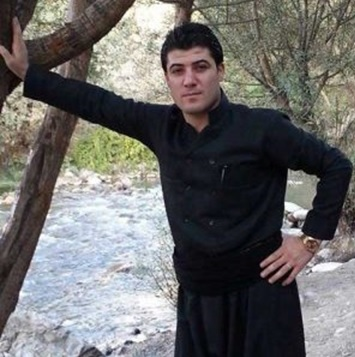
Below we have given you the biography of one of the famous Kurdish Bukani singers named Avat Bukani.
Awat Bokani is a Kurdish-speaking artist. He was born in 1366. With his good voice, he has managed to attract many fans in a short period of time. Bukani is married and has a child.
He was 13 years old because of poverty
They went to Iraq and lived in the city of Kuyeh, Iraq. Avat Bukani was a tile worker there, until he saw two Kurdish musicians, Ziko, Baghalma and Farman, who were in the Estad Citadel, and he started to work on art and band.
To download Avat Bukani's song, you can go to his personal page named (avat_page) or you can find the songs of this famous singer in Google search.
Thank you for being with us until now. If you like the post, share it with your friends