Dash cams provide invaluable support in incidents requiring legal proof or insurance claims. However, proper installation is vital to ensure their optimal performance. Hardwiring, which involves directly connecting the dash cam to the vehicle’s fuse box, is a common approach. Nevertheless, there are common mistakes made during the process that can affect functionality or potentially cause damage. Visit here to learn more about hardwiring your dash cam.
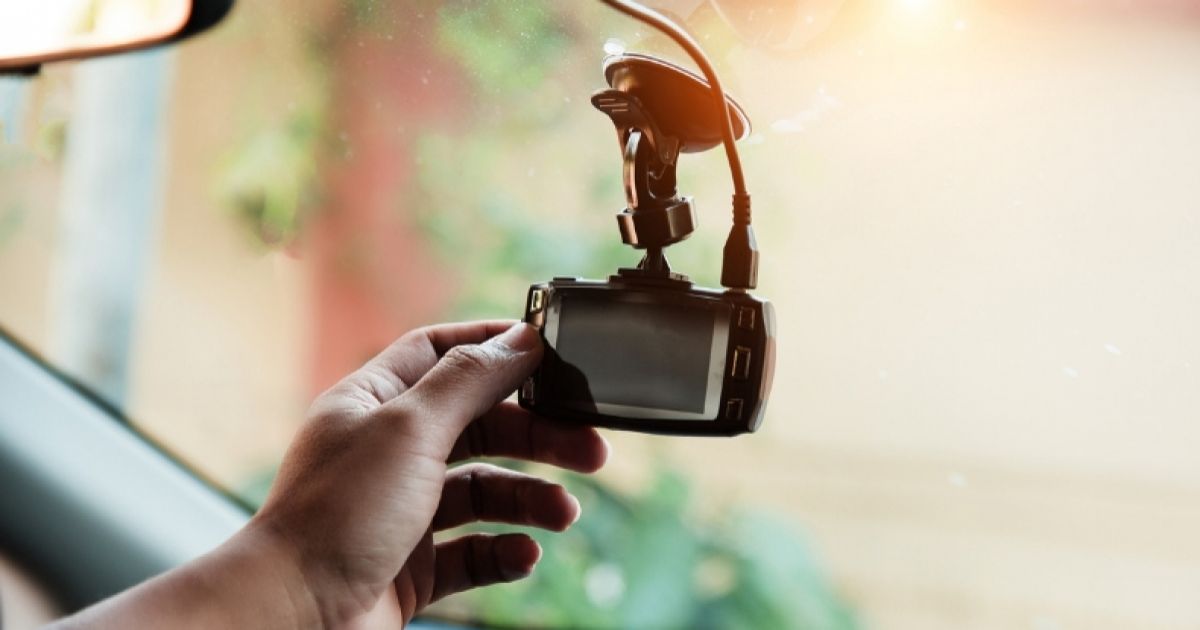
Not Identifying the Correct Fuse
One common error made by many is not correctly identifying the right fuse for connection. The fuse box contains multiple fuses, each serving different components of your vehicle. Connecting your dash cam to the wrong fuse, like the one for airbags or engine control, can have serious repercussions. It is advisable to connect it to a non-essential, ignition-switched fuse. Ignition-switched fuses only provide power when the vehicle is turned on, ensuring the dash cam does not drain the car's battery when parked.
Inadequate Grounding
Another mistake is ignoring the importance of grounding during the installation process. Proper grounding is crucial to avoid electrical short-circuits or fire risks. The ground wire should be securely fastened to a metal part of the vehicle's body to ensure a safe, effective electrical connection.
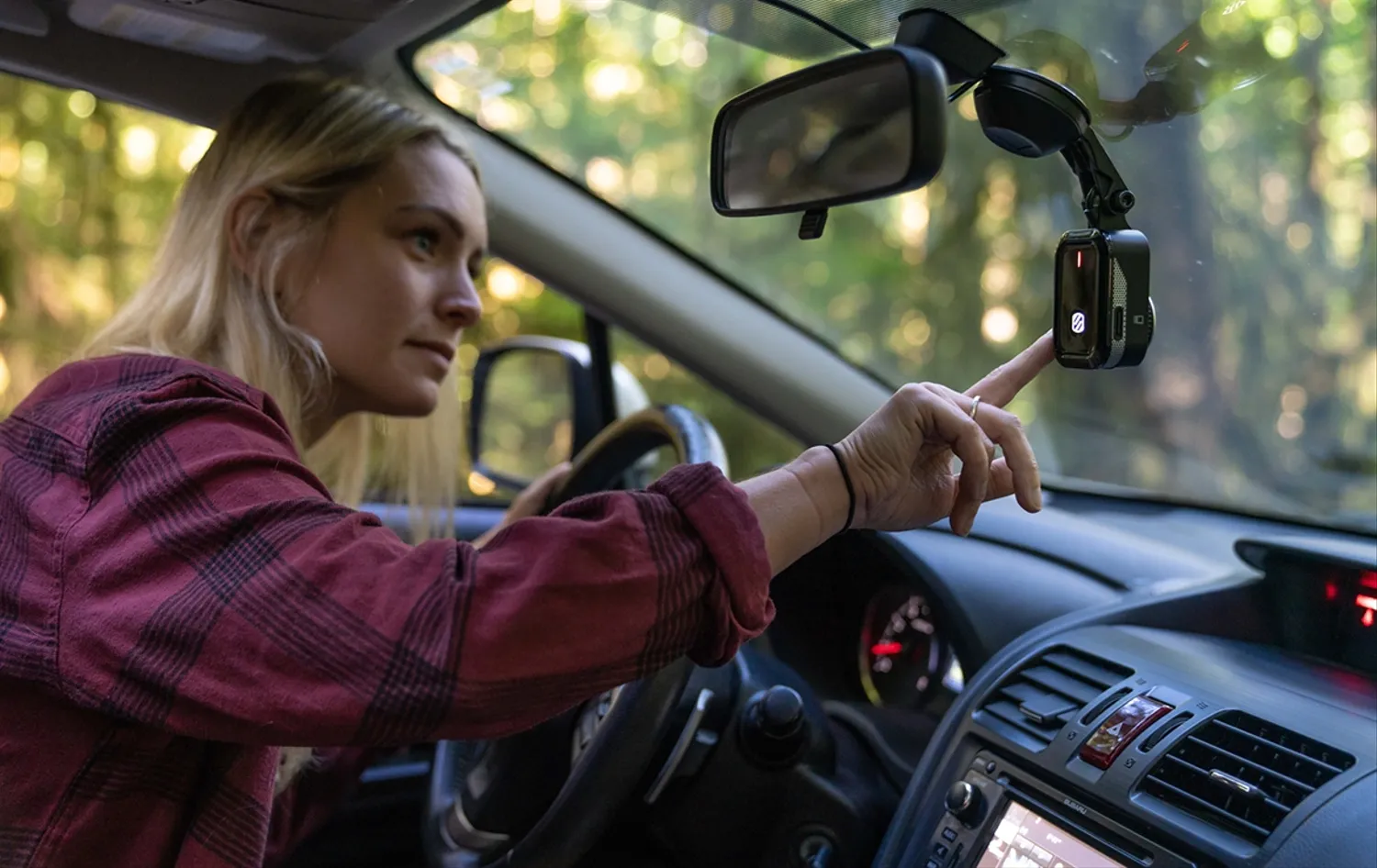
Incorrect Voltage Connection
Connecting the dash cam to a low voltage fuse may cause inconsistent operation due to power fluctuations. Equally, a fuse with too high voltage may damage the dash cam. It's crucial to check the dash cam's power requirements, usually specified in the manual, and select a fuse that matches these specifications.
Overlooking Battery Drainage Prevention
If not correctly installed, a dash cam can drain the vehicle's battery, especially when the vehicle is parked for long periods. Most modern hardwire kits come with a feature known as 'battery drain protection'. Ensure this feature is enabled or consider investing in a hardwire kit that provides this option.
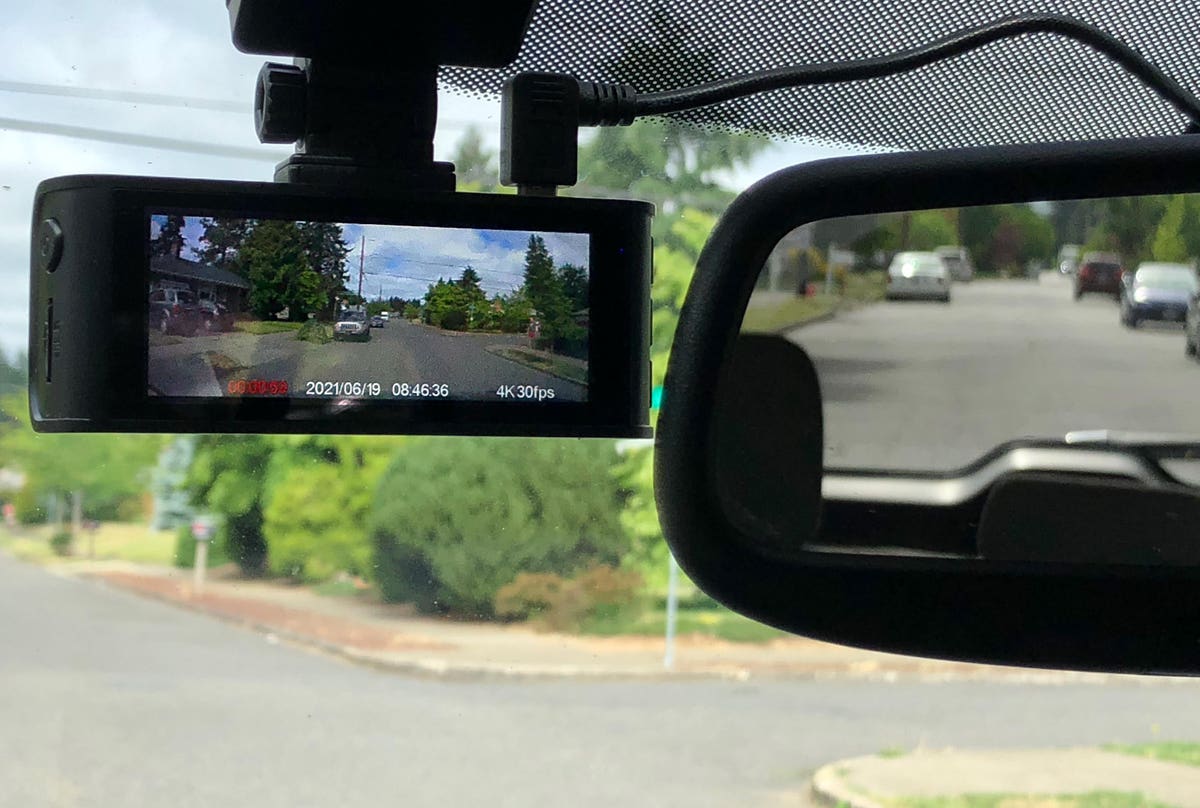
Improper Cable Management
Cable management is another aspect often overlooked. Poorly managed cables can lead to accidents or damage to the dash cam and wiring. Safely routing the cables around airbags, and away from the driver's field of vision, using cable clips for secure placement, should be part of the installation process.
Skipping the Fuse Tap
Some people might connect the hardwire kit directly to the fuse box, bypassing a fuse tap. A fuse tap allows a new appliance (like a dash cam) to use an existing fuse slot safely, without interfering with the function of the original circuit. Bypassing a fuse tap can lead to overloading and damaging the original circuit.
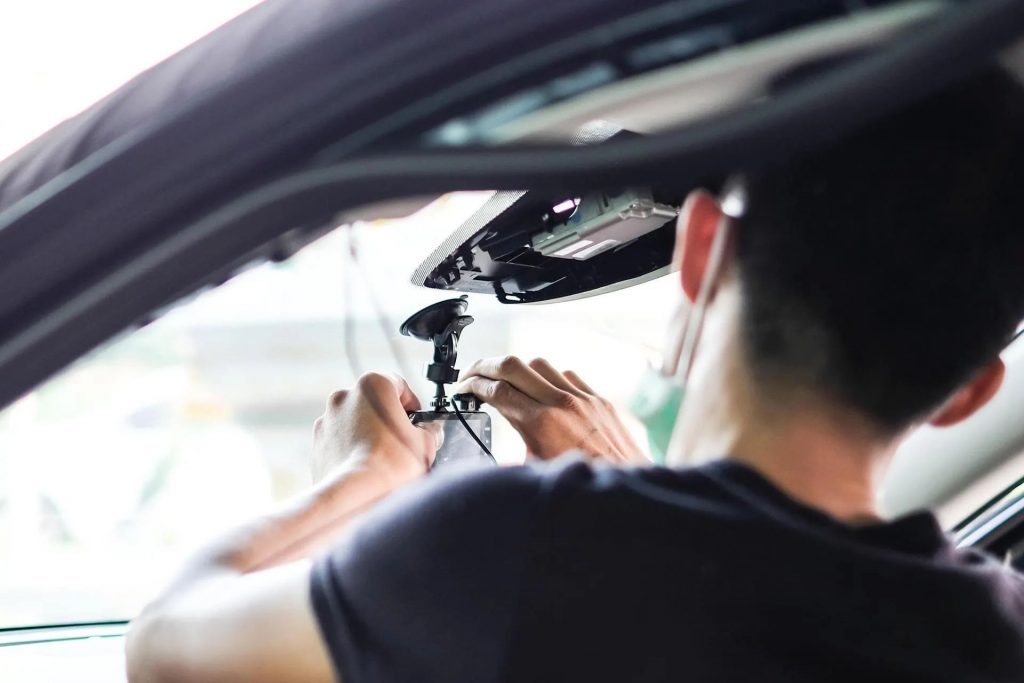
The Value of Professional Installation
Unless you're comfortable working with your car's electrical system, it's a good idea to get your dash cam installed by a professional. They have the necessary knowledge and tools to ensure safe and effective installation, which will provide you with reliable operation and peace of mind.
In conclusion, correct installation of a hardwired dash cam is essential to ensure optimal functioning and to avoid unnecessary problems or even damage to your vehicle. By avoiding these common mistakes, you can make the most out of your dash cam while ensuring your vehicle's safety and integrity.