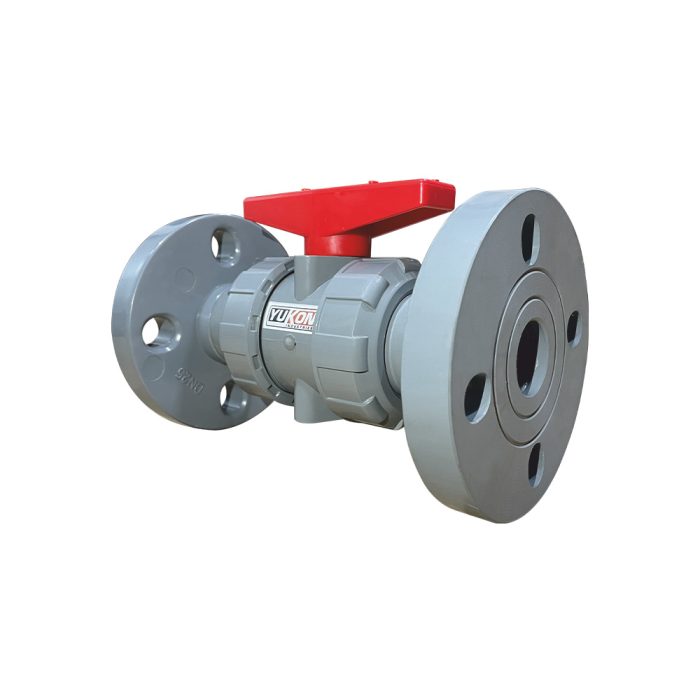
A CPVC valve is a type of plastic valve made from Chlorinated Polyvinyl Chloride (CPVC), designed to regulate the flow of liquids in a piping system. Because of its endurance under a variety of pressures and temperatures, ease of installation, and resistance to corrosion, these valves are frequently utilised in both industrial and domestic plumbing systems.
This guide will walk you through what a CPVC valve is, its features, types, benefits, and where it’s most effectively used.
Understanding CPVC Material
CPVC stands for Chlorinated Polyvinyl Chloride. It’s a thermoplastic material that is more flexible and can handle higher temperatures compared to standard PVC. The chlorination process gives CPVC improved heat resistance, making it suitable for carrying hot water, chemicals, and other fluids that might damage traditional PVC.
This material is also highly resistant to many acids, bases, salts, and aliphatic hydrocarbons, making it ideal for use in chemical processing and water treatment plants.
What is a CPVC Valve?
A CPVC valve is a flow control device made from CPVC material. It is installed in pipelines to start, stop, or regulate the flow of fluids. These valves are lightweight, non-metallic, and provide reliable sealing and resistance to internal corrosion.
Unlike metal valves that may rust or degrade over time, CPVC valves maintain their performance over a longer period when exposed to moisture or aggressive chemicals.
Common Types of CPVC Valves
Several types of CPVC valves are used in plumbing and industrial systems, depending on the application:
- Ball Valve
One of the most common types, a ball valve has a spherical disc that controls the flow. It offers tight shutoff and is ideal for quick on-off control. - Butterfly Valve
This valve uses a rotating disc to regulate flow and is suitable for larger pipelines where space is limited. - Gate Valve
A gate valve features a sliding mechanism that moves up and down to control fluid flow. It’s used when full open or closed flow is required. - Check Valve
These allow flow in only one direction, preventing backflow and protecting equipment downstream. - Diaphragm Valve
This valve uses a flexible diaphragm to control flow and is especially useful in applications involving corrosive or dirty fluids.
Advantages of Using CPVC Valves
- Corrosion Resistance
CPVC valves perform well even in environments where corrosion is a problem. They don’t rust or scale like metal valves. - Temperature Handling
These valves can handle hot fluids up to approximately 200°F (93°C), making them suitable for hot water lines and industrial processes. - Chemical Compatibility
Widely used in chemical handling systems, CPVC valves are compatible with a broad range of chemicals. - Easy Installation
CPVC components are typically solvent-welded, which is simpler and quicker than threading or welding metal. - Lightweight
Easier to transport and install, especially in overhead or difficult-to-reach areas.
Where CPVC Valves Are Used
- Residential Plumbing
CPVC valves are used in hot and cold water systems for homes, including shut-off valves under sinks and behind toilets. - Commercial Buildings
These valves can be found in heating systems, water supply networks, and air conditioning units. - Industrial Facilities
Used in chemical processing, water treatment plants, and food production lines due to their high chemical resistance. - Agriculture and Irrigation
CPVC valves are part of irrigation setups, helping regulate water distribution to crops.
Maintenance and Longevity
CPVC valves require minimal maintenance. However, regular checks are recommended to ensure there is no buildup or wear over time. When installed properly and used within recommended pressure and temperature limits, these valves can last for many years without significant performance loss.
Final Thoughts
CPVC valves offer a strong combination of reliability, resistance, and simplicity. Whether you're installing a plumbing system in a residential building or managing fluid flow in an industrial plant, choosing the right cpvc valve can make a noticeable difference in efficiency and safety.