In industrial piping systems, flexibility and durability are essential for maintaining long-term performance and safety. One critical component that ensures both is the expansion joint. These joints absorb movement, vibration, and thermal expansion within pipelines, making them indispensable across a wide range of industries.
When selecting materials for expansion joints, the type of rubber used plays a significant role in overall effectiveness. High-quality rubber ensures better performance, longer service life, and reduced maintenance making it an investment worth considering.
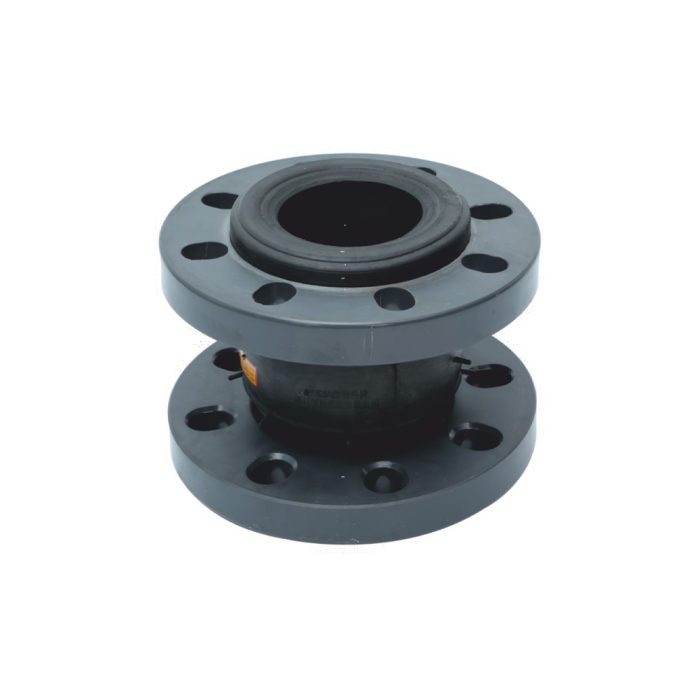
Below, we explore the top benefits of using quality rubber for expansion joints and why material selection is crucial to system reliability.
1. Improved Flexibility and Movement Absorption
Rubber expansion joints are designed to accommodate various types of movement: axial, lateral, and angular. Using superior rubber materials allows the joint to stretch and bend without cracking or tearing, even under continuous stress. This flexibility helps to reduce mechanical strain on connected equipment and pipe structures.
2. Enhanced Resistance to Wear and Tear
Industrial systems often operate in challenging environments involving high pressure, heat, and exposure to chemicals. Low-grade materials can degrade quickly under these conditions. However, quality rubber offers high resistance to abrasion, pressure variations, and thermal cycling, helping maintain the integrity of the joint over time.
3. Better Vibration and Noise Dampening
Expansion joints made from durable rubber help absorb vibrations caused by pumps, compressors, or turbulent fluid flow. By minimizing these vibrations, the joints prevent damage to adjoining equipment and reduce noise levels throughout the system creating a more stable and quieter operation.
4. Extended Service Life
One of the most notable advantages of using high-grade materials is longevity. Joints manufactured with premium rubber compounds are more resistant to aging, UV rays, ozone, and environmental factors. This reduces the frequency of replacements and minimizes downtime, contributing to lower overall maintenance costs.
5. Compatibility with Diverse Applications
Rubber expansion joints are used in everything from water treatment plants and HVAC systems to chemical processing units and marine applications. Quality rubber compounds like EPDM, Neoprene, Nitrile, and Viton are specifically engineered to meet the demands of various environments, offering both chemical and temperature resistance tailored to your needs.
6. Improved System Efficiency and Safety
Leaks and system failures can be both dangerous and expensive. A well-made expansion joint with reliable rubber acts as a seal and shock absorber, preventing rupture and containing internal pressure safely. This level of protection not only keeps the system running efficiently but also ensures safety for workers and equipment.
7. Customization and Compliance with Industry Standards
Reputable manufacturers offer rubber joints that comply with international standards and can be customized for unique applications. This means better assurance of quality, consistency, and compatibility with your system design.
Conclusion
The material used in an expansion joint isn't just a small detail it's a major factor that influences performance, safety, and maintenance in piping systems. Choosing quality rubber for expansion joints results in longer-lasting solutions, improved flexibility, and cost savings over time.
Whether your system handles water, steam, chemicals, or gases, investing in the right rubber material ensures that your infrastructure stays strong, reliable, and efficient for years to come.