In industrial piping systems where resistance to corrosion, high temperatures, and harsh chemicals is crucial, the pph butterfly valve stands out as a reliable and cost-effective solution. These valves are commonly used in fluid control systems, especially where aggressive media or corrosive chemicals are involved. Their unique design and material composition make them ideal for industries like chemical processing, water treatment, and pharmaceutical manufacturing.
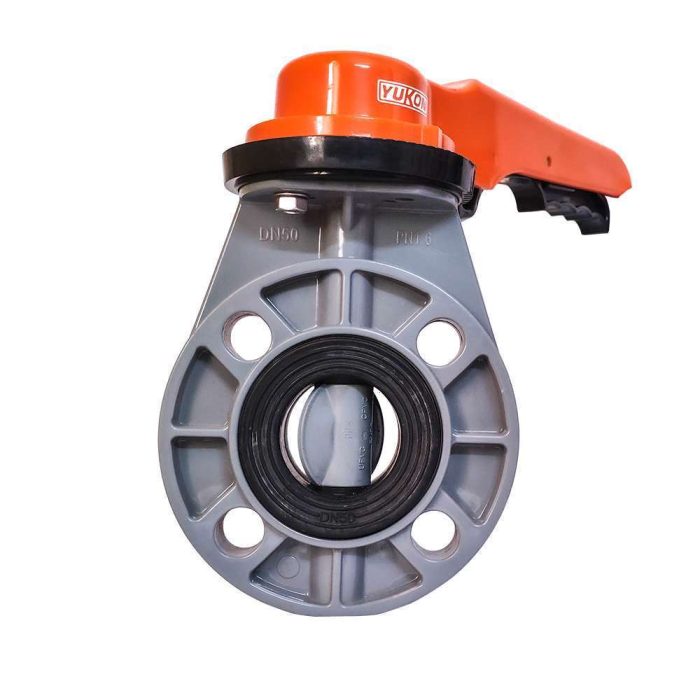
What Is a PPH Butterfly Valve?
A PPH (Polypropylene Homopolymer) butterfly valve is a type of quarter-turn valve that controls flow by rotating a disc inside the valve body. Unlike traditional metal valves, PPH valves are made from thermoplastic material, offering excellent resistance to a wide range of chemicals and elevated temperatures. The disc, which is the core flow-controlling element, can be turned parallel or perpendicular to the flow, allowing full shutoff or regulation.
PPH butterfly valves are known for being lightweight, easy to install, and less expensive than their metal counterparts, while still delivering long-term performance in demanding applications.
Key Features
Here are some of the most notable features that make PPH butterfly valves a top choice in industrial operations:
- Chemical Resistance: PPH material is resistant to a broad spectrum of aggressive chemicals, making the valve suitable for acidic and alkaline media.
- High-Temperature Tolerance: These valves can operate under higher temperatures compared to standard plastic valves.
Lightweight Design: Easy handling and installation due to reduced weight. - Low Maintenance: The smooth surface of PPH resists scaling and buildup, reducing the need for frequent maintenance.
- Tight Sealing: Precision-engineered components ensure a reliable seal, minimizing the risk of leaks.
- Durability: Resistant to wear, corrosion, and UV degradation, offering a long service life.
Common Applications
PPH butterfly valves are widely used across industries where clean, efficient, and chemical-resistant flow control is essential:
- Chemical Processing Plants: For controlling the flow of acids, bases, and solvents.
- Water Treatment Facilities: Especially in systems involving aggressive cleaning agents or waste chemicals.
- Pharmaceutical and Biotechnology: In cleanroom environments and production lines that require strict contamination control.
- Mining and Metallurgy: Handling of abrasive slurries and corrosive fluids.
- Food and Beverage Industry: For CIP (Clean-in-Place) systems and non-toxic fluid transport.
Benefits of Using PPH Butterfly Valves
The choice of a PPH butterfly valve offers several key benefits for system designers and operators:
- Cost-Effective: Offers a great balance between performance and affordability.
- Reduced Downtime: Due to its corrosion resistance and durability, the valve requires less frequent servicing.
- Environmental Resistance: Performs well in both indoor and outdoor installations, even under UV exposure.
- Ease of Operation: The quarter-turn operation allows for quick opening and closing with minimal effort.
- Compatibility: Can be easily integrated into existing plastic piping systems without the need for heavy modifications.
Conclusion
Whether you're working in a chemical plant or managing a water treatment system, a PPH butterfly valve provides reliable, long-term flow control in demanding environments. Its lightweight construction, chemical resistance, and ease of maintenance make it a smart choice for any operation where durability and performance matter. By understanding its features and applications, you can make an informed decision when selecting the right valve for your system.