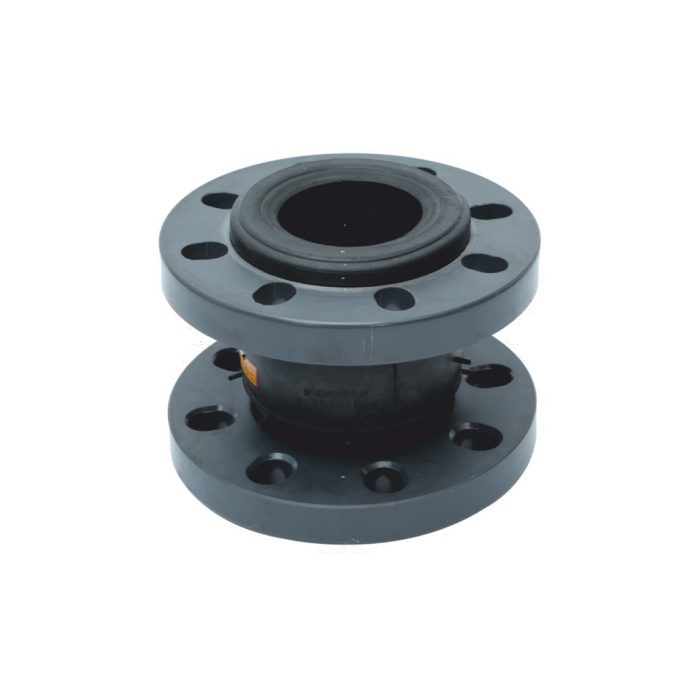
In industrial environments, piping systems are subjected to constant mechanical and environmental stress. From temperature fluctuations and pressure variations to vibrations and misalignment, these factors can gradually weaken the integrity of pipes, leading to cracks, leaks, or costly system failures. To address these challenges, one essential component stands out: industrial rubber expansion joints.
These flexible connectors play a vital role in protecting piping infrastructure, increasing system efficiency, and reducing maintenance downtime. Here's how they contribute to the long-term durability and performance of industrial piping systems.
1. Compensating for Thermal Movement
Piping systems often expand and contract due to changes in temperature, especially in facilities that process hot fluids or gases. If the system doesn’t have flexibility built into it, these movements can cause strain on joints, leading to deformation or failure. Rubber expansion joints provide the flexibility needed to absorb thermal movement, reducing the stress on rigid piping components and helping to maintain structural integrity over time.
2. Vibration and Noise Reduction
In industrial settings, vibrations generated by pumps, compressors, and other machinery can travel through the piping network, potentially damaging equipment and creating excessive noise. Flexible joints help isolate these vibrations, preventing them from affecting nearby structures or sensitive instruments. This not only protects the system but also improves the overall working environment.
3. Reducing Mechanical Stress
Beyond temperature and vibration, industrial pipes often experience dynamic forces such as pressure surges, ground settlement, or shifting equipment foundations. A well-designed joint absorbs axial, lateral, and angular movements that would otherwise be transferred directly to the piping. By managing these forces, these components enhance the system’s resilience and reduce the risk of unexpected breakdowns.
4. Resistance to Corrosion and Harsh Chemicals
Depending on the application, pipelines may carry corrosive or abrasive media. Joints made from high-quality elastomer materials are designed to resist chemical degradation, making them ideal for use in chemical processing plants, wastewater facilities, and other harsh environments. This resistance helps preserve the integrity of the system and extends service intervals.
5. Lower Maintenance and Operating Costs
Since these joints reduce stress and accommodate movement, they also help extend the life of other system components like pumps, valves, and flanges. Fewer breakdowns and repairs mean less downtime and lower overall maintenance costs. Many industries choose this solution not only for its functionality but also for the long-term savings it offers.
6. Easy Installation and Flexibility in Design
Unlike rigid components, rubber expansion joints are lightweight and easy to install. They can be manufactured in various sizes and configurations to meet specific system requirements. Their ability to adapt to custom setups makes them a versatile solution in industries ranging from power generation to food processing.
Conclusion
The inclusion of industrial rubber expansion joints in a piping system brings multiple advantages enhancing longevity, improving safety, and lowering maintenance needs. By absorbing stress, resisting chemical damage, and accommodating movement, they protect pipelines from the most common causes of failure.
In any facility where piping plays a key role in daily operations, integrating these joints is a proactive step toward achieving system reliability and cost-efficiency. For engineers and plant operators aiming to build durable infrastructure, this is one upgrade that delivers long-term value.