When it comes to maintaining efficiency and control in an industrial piping system, choosing the right valve is more than just a technical decision, it's a strategic one. Whether you're working with water, chemicals, or gases, the valve you select plays a vital role in system performance and safety. If you're searching for a reliable solution, working with an experienced UPVC ball valve manufacturer can ensure you get a product tailored to your specific industrial requirements.
Understanding Ball Valves: The Basics
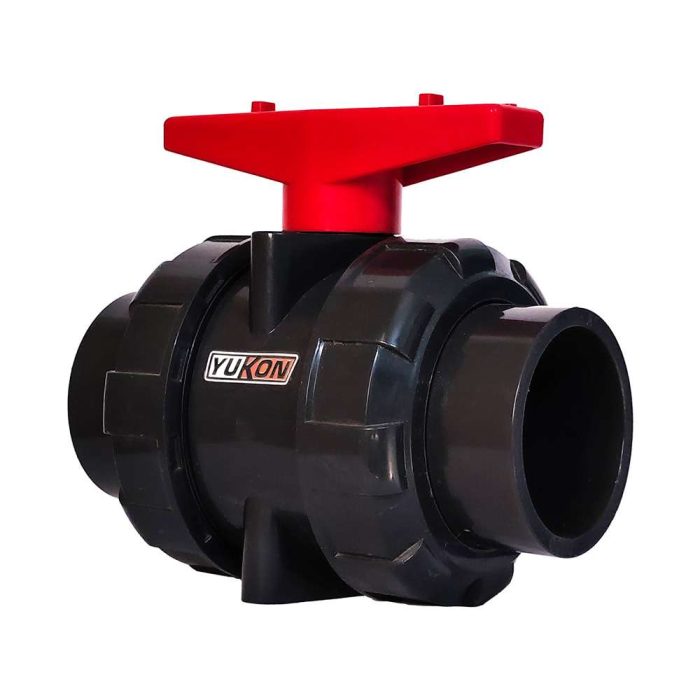
Ball valves are quarter-turn valves that use a spherical disc to control the flow of fluids. Their straightforward design makes them ideal for quick shut-off and easy operation. Available in various materials, sizes, and configurations, ball valves are known for their tight sealing capabilities and minimal pressure drop, which makes them suitable for a wide range of applications from chemical plants to water treatment facilities.
Why UPVC Ball Valves Stand Out
Among the different materials used in ball valves, unplasticized polyvinyl chloride (UPVC) has gained popularity, especially in corrosive or water-based applications. UPVC ball valves are:
- Corrosion-resistant: Ideal for chemicals and saltwater.
- Lightweight: Easier to install and handle.
- Cost-effective: More affordable than metal alternatives.
- Low maintenance: Require little upkeep over time.
These features make UPVC ball valves particularly well-suited for industrial environments where reliability and longevity are key concerns.
Key Factors to Consider When Choosing a Ball Valve
Before purchasing a ball valve for your facility, consider the following important factors:
1. Application Requirements
The first step in choosing the right valve is understanding your application. Are you controlling water, chemicals, or gases? What is the temperature and pressure range? These factors will determine whether a standard valve will work or if you need a more specialized type, like a UPVC or metal valve.
2. Valve Size and Pressure Rating
Ball valves come in various sizes and pressure classes. Ensure the valve matches the flow capacity your system demands. A mismatch can lead to inefficiencies or even failure over time.
3. Connection Type
Valves can be connected in several ways: threaded, socket weld, or flanged. Your choice will depend on the type of piping system you have and the ease of installation you need.
4. Automation and Control Options
If your facility requires automated operations, consider whether the valve supports actuation. Some ball valves can be outfitted with electric or pneumatic actuators for remote control, offering better safety and efficiency.
5. Compliance and Standards
Always make sure the valve complies with relevant industrial standards and certifications. A reputable manufacturer will provide details on pressure ratings, temperature limits, and safety compliance.
The Importance of a Trusted Manufacturer
Partnering with a trusted valve supplier ensures product quality, technical support, and long-term reliability. A good UPVC ball valve manufacturer will not only provide high-performance valves but also assist you in selecting the best solution based on your system's demands. Look for companies that offer customizable options, proven track records, and clear documentation of their product specifications.
Conclusion
Choosing the right ball valve is crucial to the performance and longevity of any industrial piping system. By understanding your application needs and evaluating valve features, you can ensure smoother operations and fewer interruptions. Whether you're upgrading an existing system or building a new one from scratch, working with a reliable UPVC ball valve manufacturer can make all the difference in quality, safety, and efficiency.