As our lives become more intertwined with digital products, the way we interact with these technologies plays a critical role in how we perceive them. Whether it's a mobile app for ordering groceries, a website for learning new skills, or enterprise software used at work, users expect experiences that are effortless, intuitive, and visually pleasing. This is where UI (User Interface) and UX (User Experience) design become essential. Though the terms are often paired together, each focuses on a unique aspect of the design process and together, they shape the entire digital experience.
What is UI Design?
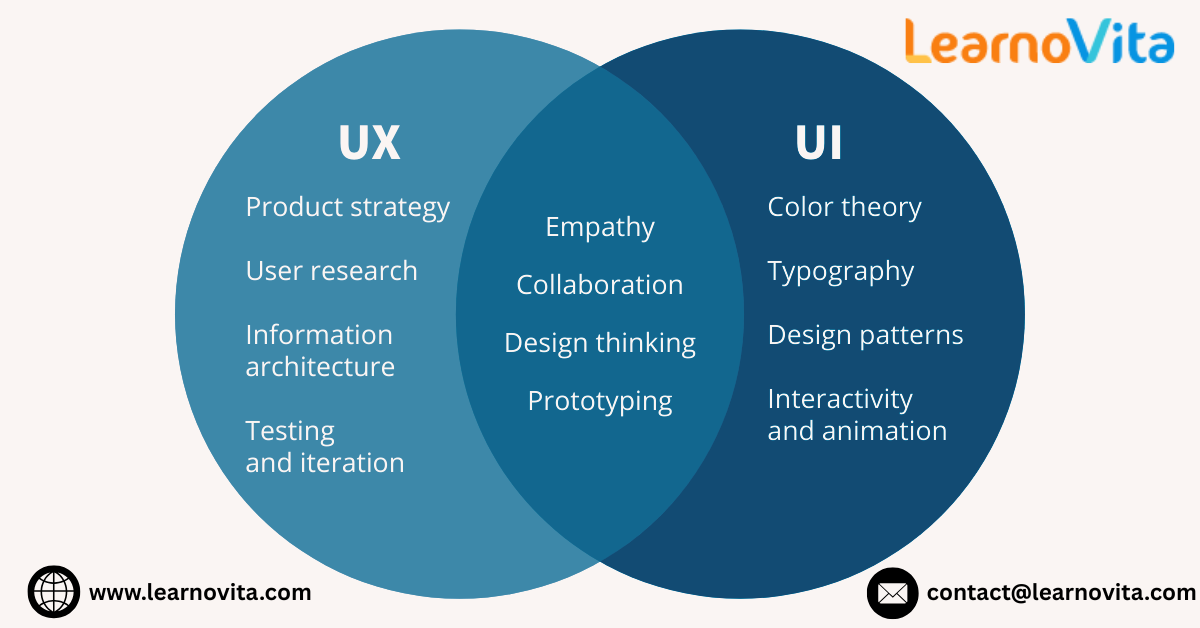
UI, or User Interface design, deals with the visual components users interact with. This includes everything from typography, color palettes, buttons, and icons to layout structure and animations. It’s all about how the product appears and how users engage with it on a visual level. When you open an app and are greeted by a clean, easy-to-read interface, that’s the result of thoughtful UI design. Its goal is to create an interface that looks attractive, is consistent throughout the product, and is easy for users to understand and use. If users feel overwhelmed or confused by how something looks, it can reduce their overall confidence in the product. Enroll in our comprehensive UI/UX Design course online to master user interface and user experience principles from anywhere.

Understanding UX Design
UX design, or User Experience, focuses on how users interact with a product and how that interaction feels. It's about more than appearance, it's about usability, accessibility, and functionality. UX considers every step a user takes to achieve a goal, whether it’s completing a purchase, signing up for a service, or navigating content. A strong UX design ensures users can perform tasks smoothly and without frustration. If users get lost, encounter errors, or struggle to complete basic actions, the UX is likely flawed. UX design is rooted in understanding user behavior, conducting research, and designing systems that anticipate needs and remove friction.
The Relationship Between UI and UX
While UI and UX are separate disciplines, they are interdependent. UI focuses on how things look and feel visually; UX is concerned with how things work and how users experience them. Together, they form the backbone of product design. Imagine visiting an online store. The UI is responsible for the visual layout — the product thumbnails, typography, and buttons. UX ensures that the navigation is smooth, the checkout process is straightforward, and that users don’t abandon their cart due to confusion. One without the other results in either a frustrating or forgettable experience.
Why UI/UX Design Is Important
In today’s competitive digital landscape, products need more than just functionality they need to offer a memorable and effective experience. A well-designed interface paired with a seamless user journey can significantly improve user satisfaction, engagement, and loyalty.
Investing in good UI/UX design can:
- Increase product usability and reduce confusion
- Minimize user errors and support requests
- Boost conversions, sales, and customer retention
- Build brand credibility and trust
- Set products apart in crowded markets
UI Design Principles
Creating an effective interface involves more than just visual styling. Key principles of UI design include:
- Consistency: Visual elements like icons, colors, and fonts should remain uniform throughout the product to ensure predictability.
- Simplicity: Clutter-free interfaces help users focus on what matters most.
- Clarity: Buttons and actions should be easy to understand at first glance.
- Feedback: Users should get immediate confirmation when they perform actions, like clicking a button or submitting a form.
- Accessibility: Interfaces must be designed to accommodate all users, including those with disabilities.
UX Design Principles
Good UX is grounded in research, empathy, and usability. Some essential principles are:
- User-Centered Design: Every decision should be based on real user needs and behaviors.
- Logical Flow: Tasks and processes should follow a natural, intuitive path.
- Efficiency: Users should complete actions in the fewest steps possible.
- Consistency: Navigational elements and design patterns should remain stable.
- Testing and Feedback: Regular testing helps uncover pain points and informs design improvements.
The UI/UX Design Workflow
Designing digital experiences follows a multi-step, iterative process:
- Research: Designers gather insights into user behaviors, goals, and pain points through interviews, analytics, and surveys.
- Personas and Journey Mapping: These tools help designers visualize typical users and the paths they follow.
- Wireframes: Simple, grayscale layouts map out content placement and flow before visual styling is applied.
- Mockups and Prototypes: These bring the product to life with color, interaction, and real content.
- Usability Testing: Real users interact with the prototype to identify what works and what doesn’t.
- Iteration: Designs are refined and improved based on feedback before final development. Join the Best Training and Placement Program designed to equip you with job-ready skills and guaranteed placement support.
Popular UI/UX Tools
Modern design teams rely on various digital tools to design, prototype, and test user experiences efficiently:
- Figma and Adobe XD: Widely used for UI design and collaborative prototyping
- Sketch: A vector-based tool for interface and icon design
- InVision: Great for clickable prototypes and design collaboration
- Miro and FigJam: Used for brainstorming, journey mapping, and planning
- Hotjar and Google Analytics: Help track user behavior and interaction data
- UserTesting: Enables real-world feedback from target audiences
These tools make it easier for designers, developers, and stakeholders to stay aligned throughout the project.
UI/UX Trends Worth Watching
UI/UX design continues to evolve, shaped by new technologies and changing user preferences. Some notable trends include:
- Dark Mode: A sleek and eye-friendly alternative for low-light environments
- Microinteractions: Small animations that provide instant feedback and enhance engagement
- Voice User Interfaces (VUIs): Enabling hands-free, speech-driven interaction
- Glassmorphism and Neumorphism: Design styles that add depth and softness to UIs
- AI-Personalization: Customizing user experiences based on preferences and behavior
The Future of UI/UX Design
As technology expands into new territories like augmented reality, virtual assistants, and smart devices, UI/UX design must evolve as well. Future experiences will be more immersive, responsive, and context-aware. Designers will need to create intuitive interfaces across different platforms — even those without screens. Equally important is the rise of ethical and inclusive design. Modern designers must consider digital well-being, accessibility, and user trust ensuring that technology empowers rather than exploits. The future of UI/UX is not just about what users do with a product but how it makes them feel, how it respects their time and attention, and how it fits into their lives seamlessly.
Final Thoughts
UI and UX design are essential pillars of successful digital products. UI brings the visual identity to life, while UX ensures functionality and satisfaction throughout the journey. When these two disciplines work in harmony, they deliver experiences that are not only efficient and enjoyable but also memorable. In today’s digital ecosystem, good design is more than a nice-to-have; it's a critical differentiator. Whether you're building an app, website, or platform, focusing on UI/UX is key to attracting, engaging, and retaining users. It’s not just about how your product looks, it's about how it feels to use.