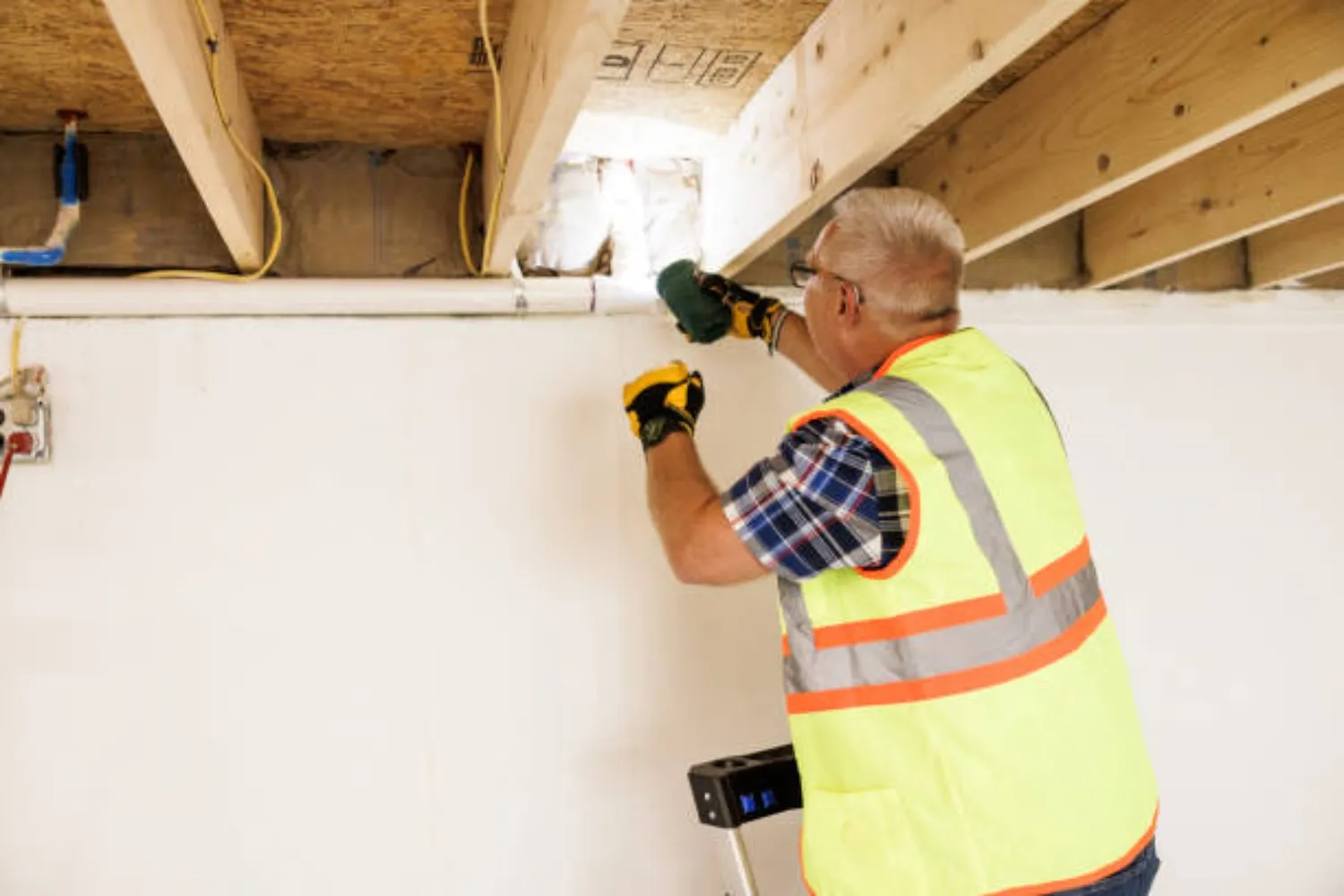
When was the last time you thought about your attic? If you’re like most homeowners, it’s probably been a while. But here’s the thing: Your attic plays a crucial role in your home’s energy efficiency, comfort, and overall well-being. One of the most important aspects? Attic insulation.
So, let’s dive into the world of Attic Insulation and explore why it’s essential, how it works, and what you need to know to get the most out of it.
Why Attic Insulation Matters
Energy Efficiency
Imagine this: You’re trying to heat your home in the dead of winter, but all that warm air is escaping through your attic like money flying out of your wallet. That’s what happens when your attic isn’t properly insulated. Good insulation helps keep your home warm in the winter and cool in the summer by acting as a barrier to heat flow. This not only makes your home more comfortable but also significantly reduces your energy bills.
Comfort
Ever notice how some rooms in your home are always colder or hotter than others? Poor attic insulation could be the culprit. Proper insulation ensures an even temperature throughout your home, so you can say goodbye to those chilly drafts and overheated rooms.
Environmental Impact
Let’s not forget the planet. By improving your attic insulation, you’re not just saving money; you’re also reducing your carbon footprint. Less energy consumption means fewer greenhouse gas emissions. It’s a win-win situation!
Types of Attic Insulation
Now that we understand why attic insulation is so important, let’s talk about the different types available. Each type has its own advantages, so it’s crucial to choose the one that best fits your needs.
1. Batt Insulation
Batt insulation is probably what comes to mind when you think of traditional insulation. It’s made of fiberglass or mineral wool and comes in pre-cut panels that fit snugly between the attic’s joists. Advantages:
- Easy to install
- Cost-effective
- Provides good thermal resistance
However, it’s essential to install batt insulation correctly, as gaps or compression can significantly reduce its effectiveness.
2. Blown-In Insulation
This type is exactly what it sounds like. Blown-in insulation involves blowing loose-fill insulation, usually made of cellulose or fiberglass, into your attic space. Advantages:
- Ideal for hard-to-reach areas
- Fills gaps and corners effectively
- Offers good coverage
The installation process is quick, but it’s best left to professionals to ensure it’s done right.
3. Spray Foam Insulation
Spray foam insulation is a high-performance option that expands upon application, creating an airtight seal. Advantages:
- Superior thermal resistance
- Acts as both an insulator and an air barrier
- Excellent for sealing cracks and crevices
However, spray foam insulation is more expensive and requires professional installation.
4. Radiant Barrier
A radiant barrier is a bit different from traditional insulation. Instead of slowing heat transfer, it reflects radiant heat away from your home. It’s usually installed on the attic’s underside. Advantages:
- Reduces cooling costs in hot climates
- Can be used in conjunction with other insulation types
But keep in mind, radiant barriers are most effective in warmer climates where cooling costs are a concern.
How to Choose the Right Attic Insulation
So, how do you pick the right insulation for your attic? It all comes down to a few key factors.
Climate
The climate you live in plays a massive role in determining the best insulation for your home. In colder climates, you’ll want insulation with a higher R-value (a measure of thermal resistance). In warmer areas, a lower R-value might suffice, but a radiant barrier could be more beneficial.
Budget
Budget is always a consideration. Batt and blown-in insulation are generally more affordable, while spray foam offers top-tier performance at a higher cost. It’s about balancing your needs with what you can afford.
DIY vs. Professional Installation
Are you a DIY enthusiast, or would you rather leave it to the pros? Batt insulation can be a fun weekend project if you’re up for it, but blown-in and spray foam insulation typically require professional installation.
Existing Insulation
Do you already have insulation in your attic? If so, you’ll need to consider whether to remove it or add to it. In some cases, it might be best to layer new insulation on top of the old, while in others, a complete removal might be necessary.
Installation Process: What to Expect
If you’ve decided to go ahead with attic insulation, you’re probably wondering what the process involves. Here’s a general overview.
Inspection
Before any insulation is added, a thorough inspection of your attic is necessary. This includes checking for any existing insulation, leaks, or structural issues that might need to be addressed.
Preparation
Next, the space is prepared by sealing any air leaks, addressing moisture issues, and ensuring there’s proper ventilation. Skipping this step can lead to bigger problems down the road, like mold or reduced insulation effectiveness.
Installation
The actual installation process varies depending on the type of insulation. Batt insulation is cut to size and laid between joists, while blown-in insulation is distributed evenly using specialized equipment. Spray foam insulation requires a professional team to apply it, ensuring all nooks and crannies are sealed tight.
Post-Installation Check
Once the insulation is installed, a post-installation check ensures everything is in place and functioning as it should. This step might include checking for any missed gaps, ensuring proper ventilation, and measuring the R-value to confirm it meets your climate’s requirements.
Maintaining Your Attic Insulation
So, you’ve got your attic insulation installed—great! But the work doesn’t stop there. Proper maintenance is key to ensuring your insulation continues to perform effectively.
Regular Inspections
Make it a habit to inspect your attic insulation at least once a year. Look for signs of damage, such as wet spots, mold, or compressed insulation. Catching these issues early can prevent costly repairs down the line.
Pest Control
Unfortunately, attics can be attractive to pests. Mice, squirrels, and other critters can damage insulation, reducing its effectiveness. Regular pest control measures can help keep your attic insulation in top shape.
Ventilation
Proper attic ventilation is crucial to preventing moisture buildup, which can compromise insulation. Ensure that your attic has adequate ventilation, especially during the hotter months when condensation can be a problem.
Conclusion
Attic insulation might not be the most glamorous home improvement project, but it’s certainly one of the most impactful. From saving on energy bills to creating a more comfortable living environment, the benefits are clear. Whether you choose to tackle it yourself or hire a professional, investing in quality attic insulation is a decision that pays off in more ways than one.