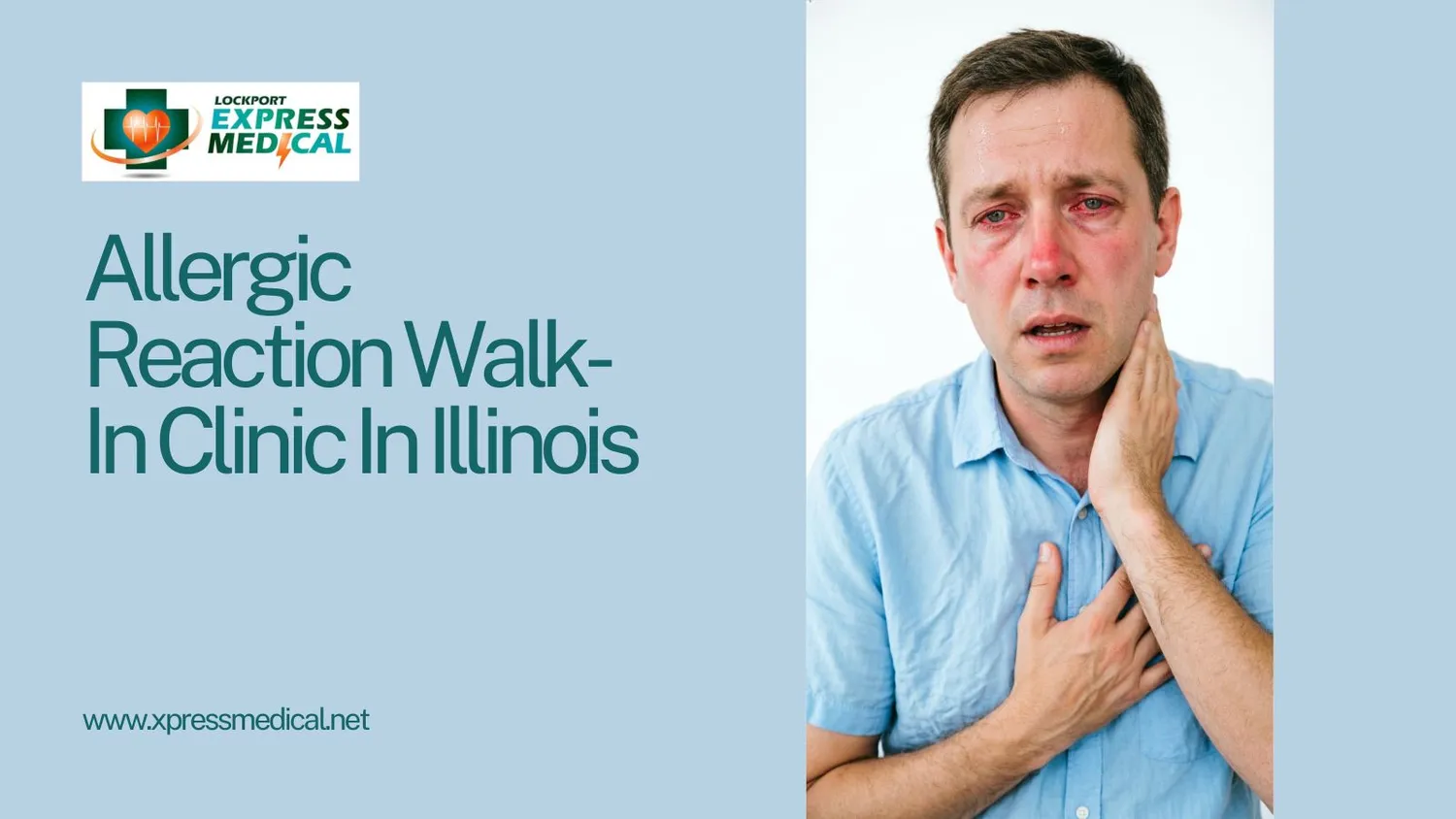
Allergic reactions can happen without warning. Whether triggered by food, medications, insect stings, environmental allergens, or unknown substances, symptoms may range from mild skin irritation to more serious swelling and breathing difficulties. Knowing where to seek treatment quickly can help prevent complications and provide much-needed relief.
An allergic reaction walk-in clinic offers convenient, same-day medical care for patients experiencing non-life-threatening allergic reactions. Instead of waiting days for an appointment or spending hours in an emergency department for mild symptoms, patients can receive prompt evaluation and treatment from experienced healthcare providers.
What Is an Allergic Reaction?
An allergic reaction occurs when the immune system mistakenly identifies a harmless substance as dangerous. In response, the body releases chemicals like histamine, leading to inflammation and various symptoms.
Common allergens include:
- Foods (peanuts, shellfish, eggs, milk)
- Medications
- Insect bites and stings
- Pollen
- Pet dander
- Mold
- Latex
- Dust mites
The severity of allergic reactions varies from person to person and even between different exposures.
Symptoms That May Require a Walk-In Clinic
Many allergic reactions can be safely treated at an urgent care or walk-in clinic.
Common symptoms include:
- Hives
- Itchy skin
- Red rash
- Mild swelling
- Sneezing
- Runny nose
- Watery eyes
- Localized insect sting reactions
- Mild facial swelling
- Mild lip swelling
- Nausea caused by allergies
Medical providers evaluate these symptoms to determine the appropriate treatment and monitor for worsening conditions.
When Should You Go to an Allergic Reaction Walk-In Clinic?
A walk-in clinic is often the best choice when symptoms are uncomfortable but not immediately life-threatening.
Visit a clinic if you experience:
- Persistent itching
- Skin rashes
- Mild swelling
- Mild allergic reactions to medications
- Mild food allergy symptoms
- Seasonal allergy flare-ups
- Reactions after insect bites
- Allergy symptoms that are not improving with over-the-counter medications
Prompt treatment helps reduce symptoms and lowers the risk of complications.
Signs You Should Go to the Emergency Room Instead
Some allergic reactions require emergency medical attention.
Call 911 or go to the nearest emergency department immediately if you experience:
- Difficulty breathing
- Wheezing
- Tightness in the throat
- Trouble swallowing
- Severe swelling of the tongue
- Severe swelling of the lips
- Loss of consciousness
- Dizziness with fainting
- Blue lips
- Severe drop in blood pressure
These symptoms may indicate anaphylaxis, a life-threatening allergic reaction requiring immediate emergency treatment.
What Happens During Your Clinic Visit?
During your appointment, the healthcare provider will:
- Review your symptoms
- Ask about possible allergen exposure
- Evaluate your medical history
- Check your vital signs
- Examine the affected areas
- Determine the severity of your reaction
This evaluation helps identify the most effective treatment while ensuring emergency care is not needed.
Treatments Available at an Allergic Reaction Walk-In Clinic
Treatment depends on your symptoms and their severity.
Common options include:
Antihistamines
These medications block histamine, helping reduce itching, swelling, and hives.
Corticosteroids
Steroids may be prescribed to reduce inflammation and prevent symptoms from returning.
Topical Creams
Prescription creams can help relieve itching and skin irritation.
Observation
Some patients may be monitored for a short period to ensure symptoms improve before discharge.
Referral for Additional Care
If necessary, providers may recommend allergy testing or referral to an allergy specialist.
Common Causes of Allergic Reactions
Understanding your triggers helps prevent future reactions.
Frequent causes include:
- Tree nuts
- Peanuts
- Seafood
- Milk products
- Eggs
- Antibiotics
- Pain medications
- Bee stings
- Wasp stings
- Poison ivy
- Latex products
- Animal fur
Keeping track of previous reactions can help healthcare providers identify potential allergens.
Can Children Visit a Walk-In Clinic for Allergies?
Yes. Walk-in clinics commonly evaluate children with mild allergic reactions.
Parents should seek medical care if a child develops:
- Hives
- Facial swelling
- Itching
- Skin rash
- Mild swelling after insect bites
- Food-related allergic reactions without breathing difficulty
Children showing signs of breathing problems or severe swelling should receive emergency care immediately.
How to Prevent Future Allergic Reactions
While not every reaction can be avoided, several preventive measures reduce risk.
Helpful tips include:
- Read food labels carefully.
- Inform healthcare providers about medication allergies.
- Wear medical alert identification if you have severe allergies.
- Avoid known allergens whenever possible.
- Keep prescribed allergy medications available.
- Follow your doctor's recommendations after previous allergic reactions.
If you've experienced a severe allergy before, discuss carrying an epinephrine auto-injector with your healthcare provider.
Why Choose a Walk-In Clinic?
Walk-in clinics provide several advantages for patients with mild to moderate allergic reactions.
Benefits include:
- No appointment required
- Same-day treatment
- Shorter wait times than many emergency departments
- Affordable care
- Experienced medical professionals
- Convenient hours
- Fast symptom relief
- Appropriate referrals when necessary
These clinics bridge the gap between primary care and emergency services, offering timely treatment for urgent but non-life-threatening conditions.
Lockport Express Medical: Fast Allergy Care Without the Wait
If you're looking for an allergic reaction walk-in clinic that provides prompt, compassionate medical care, Lockport Express Medical is ready to help. Our experienced healthcare team evaluates and treats mild to moderate allergic reactions with no appointment required, helping patients receive fast relief in a comfortable environment. Whether you're experiencing hives, skin irritation, swelling, or seasonal allergy symptoms, we're committed to providing high-quality urgent care when you need it most.
Conclusion
An allergic reaction walk-in clinic offers fast, convenient care when unexpected allergy symptoms occur. Whether you're dealing with hives, itching, swelling, or a mild food or medication reaction, prompt evaluation can help relieve symptoms and prevent complications. Understanding when to choose a walk-in clinic and when emergency care is necessary ensures you receive the right treatment at the right time.
Frequently Asked Questions
Can I visit a walk-in clinic for hives?
Yes. Most walk-in clinics diagnose and treat hives caused by allergic reactions and provide medications to relieve itching and swelling.
How quickly should I seek treatment for an allergic reaction?
You should seek medical care as soon as symptoms develop. Immediate evaluation helps prevent symptoms from worsening.
Can a walk-in clinic treat food allergies?
Yes, for mild to moderate reactions. Severe reactions involving breathing problems require emergency medical care.
Will I receive allergy testing during my visit?
Most walk-in clinics focus on treating the immediate reaction. If needed, you'll be referred to an allergy specialist for comprehensive testing.
Can insect stings be treated at a walk-in clinic?
Yes. Mild to moderate reactions from bee or wasp stings are commonly treated with medications that reduce swelling and discomfort.
Is an appointment required?
No. Walk-in clinics accept patients without appointments, allowing you to receive prompt medical attention when symptoms appear.