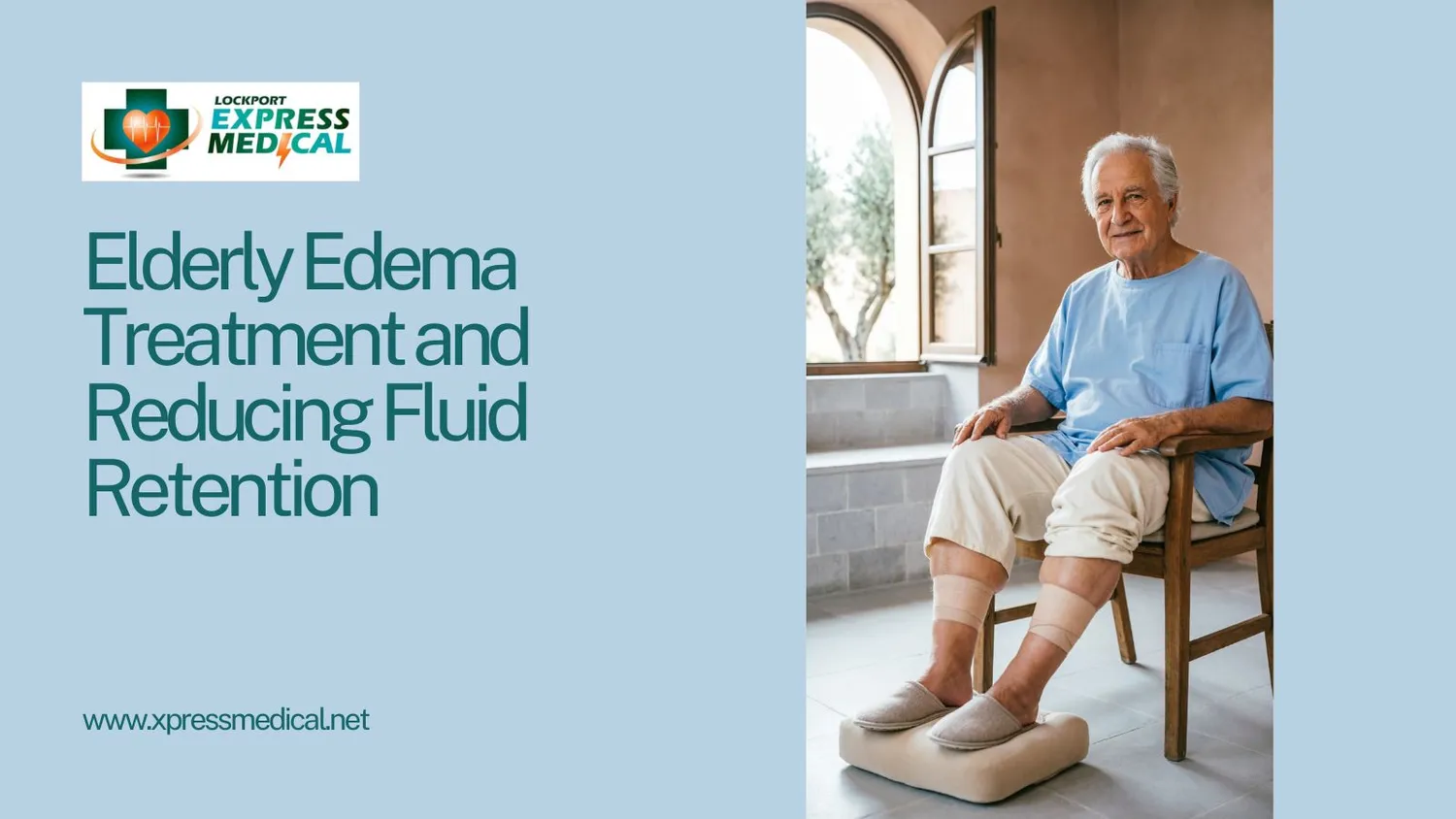
Edema is a common condition among older adults that causes swelling due to excess fluid trapped within the body's tissues. It most frequently affects the legs, ankles, feet, and sometimes the hands. While mild swelling may seem harmless, persistent or worsening edema can signal underlying health problems that require medical attention. Understanding the causes, symptoms, and available approaches for elderly edema treatment is essential for maintaining comfort, mobility, and overall well-being in seniors.
What Is Edema?
Edema occurs when excess fluid accumulates in the body's tissues, leading to visible swelling. In elderly individuals, this condition is particularly common because aging can affect circulation, kidney function, heart health, and overall mobility. The severity of edema can range from mild swelling that appears at the end of the day to significant fluid retention that interferes with daily activities.
Why Is Edema Common in Older Adults?
Several age-related changes contribute to the development of edema. As people age, blood vessels may become less efficient, muscle activity may decrease, and chronic medical conditions become more prevalent. These factors can make it more difficult for the body to regulate fluid balance effectively.
Additionally, many seniors take medications that may contribute to fluid retention, increasing their risk of swelling.
Common Causes of Edema in the Elderly
Heart Conditions
Heart-related issues are among the most common causes of edema in older adults. When the heart cannot pump blood efficiently, fluid may accumulate in the lower extremities.
Kidney Disease
The kidneys play a critical role in maintaining fluid balance. Reduced kidney function can cause excess fluid and sodium to remain in the body, leading to swelling.
Liver Disease
Liver conditions can affect the body's ability to produce proteins that help regulate fluid distribution, resulting in edema.
Venous Insufficiency
Chronic venous insufficiency occurs when leg veins struggle to return blood to the heart. This can cause fluid to collect in the legs and ankles.
Reduced Mobility
Seniors who spend extended periods sitting or lying down may experience fluid pooling in the lower extremities due to limited muscle activity.
Medication Side Effects
Certain medications used to manage blood pressure, diabetes, inflammation, and other chronic conditions may contribute to swelling.
Symptoms That May Accompany Edema
The symptoms of edema vary depending on the underlying cause and severity. Common signs include:
- Swelling in the feet, ankles, legs, or hands
- Tight or shiny skin
- Difficulty wearing shoes or rings
- Reduced flexibility in affected joints
- Heaviness or discomfort in the legs
- Indentations left after pressing on swollen skin (pitting edema)
If swelling is accompanied by shortness of breath, chest pain, or sudden weight gain, immediate medical evaluation is necessary.
How Doctors Diagnose Edema
Successful elderly edema treatment begins with identifying the underlying cause. Healthcare providers typically perform a comprehensive evaluation that may include:
- Medical history review
- Physical examination
- Blood tests
- Urine tests
- Imaging studies
- Heart function assessments
- Kidney and liver function tests
Accurate diagnosis helps determine the most appropriate treatment plan.
Lifestyle Changes for Managing Edema
Lifestyle modifications often play an important role in reducing swelling and improving circulation.
Elevating the Legs
Raising the legs above heart level several times a day can help fluid move back toward the heart and reduce swelling.
Regular Physical Activity
Gentle exercises such as walking, stretching, and supervised fitness programs encourage healthy blood flow and fluid movement.
Maintaining a Healthy Weight
Excess body weight can place additional pressure on veins and contribute to swelling. Weight management may help reduce symptoms.
Staying Hydrated
Although it may seem counterintuitive, proper hydration supports healthy kidney function and fluid balance.
Dietary Approaches to Reduce Swelling
Dietary adjustments can significantly impact edema management.
Limiting Sodium Intake
Excess sodium causes the body to retain water. Reducing salt consumption can help decrease fluid retention and swelling.
Eating Nutrient-Rich Foods
A balanced diet rich in fruits, vegetables, lean proteins, and whole grains supports overall cardiovascular and kidney health.
Monitoring Fluid Intake
In some cases, healthcare providers may recommend specific fluid guidelines based on an individual's medical condition.
Compression Therapy
Compression stockings are commonly used as part of elderly edema treatment. These garments apply gentle pressure to the legs, helping improve circulation and prevent fluid accumulation.
Compression therapy should be used under medical guidance to ensure proper fit and effectiveness.
Medications Used for Edema Treatment
Depending on the underlying cause, healthcare providers may prescribe medications to help manage swelling.
Diuretics
Often called "water pills," diuretics help the body eliminate excess fluid through urine.
Condition-Specific Medications
Treating heart disease, kidney disease, or other contributing conditions may reduce edema symptoms over time.
Medication use should always be monitored carefully, particularly in elderly patients who may have multiple health conditions.
Potential Complications of Untreated Edema
Ignoring persistent swelling can lead to several complications, including:
- Skin breakdown
- Infections
- Reduced mobility
- Chronic pain or discomfort
- Increased risk of ulcers
- Difficulty performing daily activities
Early intervention can help prevent these issues and improve quality of life.
When to Seek Medical Attention
Medical evaluation is recommended if swelling:
- Appears suddenly
- Becomes progressively worse
- Occurs with shortness of breath
- Causes significant pain
- Leads to skin changes or wounds
- Interferes with mobility
Prompt assessment helps identify serious underlying conditions and ensures timely treatment.
Supporting Long-Term Wellness in Seniors
Managing edema often requires a comprehensive approach that combines medical care, lifestyle adjustments, and ongoing monitoring. Regular checkups, medication reviews, physical activity, and healthy eating habits all contribute to better outcomes. By addressing the root cause of swelling and following individualized treatment recommendations, many older adults can experience significant symptom relief and maintain their independence.
Trust Lockport Express Medical for Compassionate Elderly Edema Treatment
When it comes to effective elderly edema treatment, choosing the right healthcare provider makes a significant difference. At Lockport Express Medical, our experienced team is committed to helping seniors manage swelling, identify underlying health concerns, and improve their overall quality of life. We provide personalized care plans, comprehensive evaluations, and ongoing support tailored to each patient's unique needs. Whether you're seeking diagnosis, treatment, or long-term management solutions, Lockport Express Medical is dedicated to delivering compassionate, patient-centered care that helps older adults stay healthy, active, and comfortable.
FAQs
What is the most common cause of edema in elderly people?
Heart disease, venous insufficiency, reduced mobility, and kidney problems are among the most common causes of edema in older adults.
Can edema go away on its own?
Mild swelling may improve with rest and leg elevation, but persistent edema often requires medical evaluation to identify and treat the underlying cause.
Are compression stockings safe for seniors?
Compression stockings are generally safe when prescribed and fitted correctly by a healthcare professional.
Does drinking more water help edema?
Proper hydration can support healthy fluid balance, although fluid recommendations vary depending on the underlying medical condition.
When should an elderly person seek emergency care for edema?
Emergency medical attention is needed if swelling is accompanied by chest pain, severe shortness of breath, or sudden worsening symptoms.