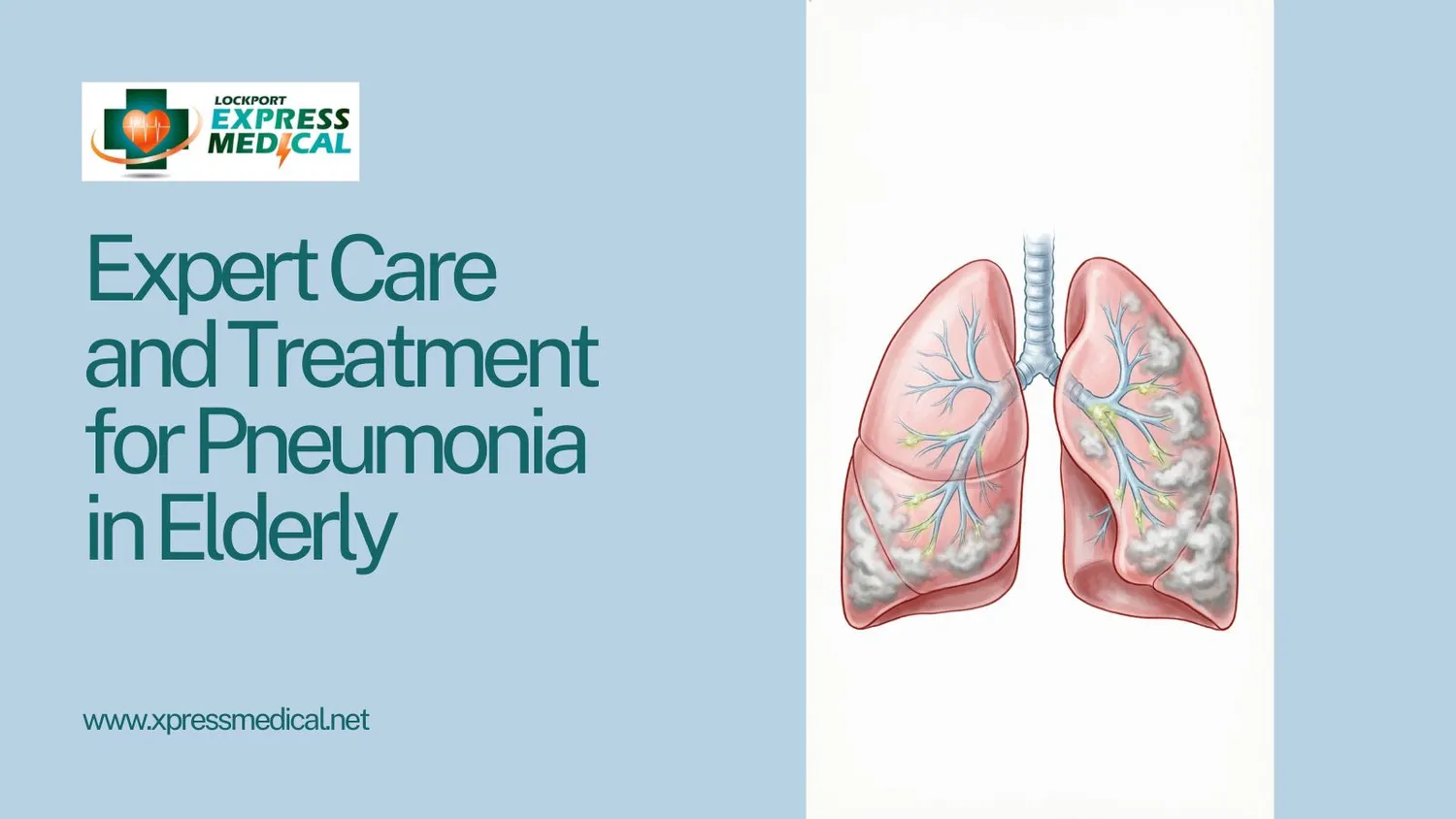
Pneumonia is one of the most serious respiratory infections affecting older adults. While younger people often recover quickly, seniors face a much greater risk of complications because aging naturally weakens the immune system and reduces lung function. Understanding the treatment for pneumonia in elderly patients is essential for families, caregivers, and seniors themselves.
Early diagnosis, proper medications, supportive care, and close medical supervision greatly improve recovery while reducing the risk of hospitalization and life-threatening complications.
Why Pneumonia Is More Dangerous for Older Adults?
As people age, their immune systems become less effective at fighting infections. Many seniors also have chronic conditions such as:
- Diabetes
- Heart disease
- COPD
- Asthma
- Kidney disease
- Dementia
These conditions make pneumonia more difficult to treat and increase the likelihood of severe illness.
Older adults may also have weaker cough reflexes, making it harder to clear mucus from their lungs.
Common Causes of Pneumonia:
Pneumonia develops when bacteria, viruses, or fungi infect the lungs.
The most common causes include:
- Bacterial pneumonia
- Viral pneumonia
- Aspiration pneumonia
- Hospital-acquired pneumonia
Each type requires a slightly different treatment approach.
Symptoms of Pneumonia in Elderly Patients:
Unlike younger adults, seniors may not always develop a high fever.
Common symptoms include:
- Persistent cough
- Chest pain
- Difficulty breathing
- Fever or chills
- Fatigue
- Confusion or sudden mental changes
- Loss of appetite
- Weakness
- Low oxygen levels
Confusion is often one of the earliest warning signs in elderly patients.
Diagnosing Pneumonia:
Doctors usually diagnose pneumonia using several methods, including:
- Physical examination
- Chest X-ray
- Blood tests
- Oxygen level monitoring
- Sputum cultures
- COVID-19 or influenza testing if needed
Accurate diagnosis helps determine the most effective treatment for pneumonia in elderly patients.
Antibiotics for Bacterial Pneumonia:
When bacteria cause pneumonia, antibiotics are the primary treatment.
Doctors may prescribe:
- Oral antibiotics for mild cases
- Intravenous antibiotics for hospitalized patients
- Combination antibiotics for severe infections
It is important to complete the full antibiotic course even if symptoms improve early.
Antiviral Medications:
If pneumonia is caused by influenza or another virus, antiviral medications may be recommended.
These medications work best when started early after symptoms begin.
Viral pneumonia sometimes progresses to bacterial pneumonia, requiring antibiotics later.
Oxygen Therapy:
Some seniors experience dangerously low oxygen levels.
Treatment may include:
- Supplemental oxygen
- Nasal cannula
- Face mask
- High-flow oxygen therapy
Oxygen helps maintain healthy blood oxygen levels while the lungs recover.
Hydration and Nutrition:
Proper hydration plays an important role in recovery.
Fluids help:
- Thin mucus
- Prevent dehydration
- Improve circulation
- Support immune function
Nutritious meals rich in protein, vitamins, and minerals also speed healing.
Managing Fever and Pain:
Doctors often recommend medications to reduce discomfort.
These may include:
- Acetaminophen
- Ibuprofen (when appropriate)
Managing fever improves comfort while allowing patients to rest more effectively.
Breathing Exercises and Physical Activity:
Recovery often includes breathing exercises to strengthen the lungs.
Healthcare providers may recommend:
- Deep breathing exercises
- Incentive spirometry
- Gentle walking
- Light stretching
These activities help prevent lung collapse and improve oxygen exchange.
Hospitalization for Severe Cases:
Some elderly patients require hospital care.
Hospital treatment may include:
- IV antibiotics
- Continuous oxygen monitoring
- Intravenous fluids
- Respiratory therapy
- Intensive care if breathing becomes severely impaired
Hospitalization is especially important for patients with underlying medical conditions.
Recovery Time:
Recovery varies depending on:
- Age
- Overall health
- Type of pneumonia
- Severity of infection
- Speed of treatment
Many seniors begin feeling better within one to three weeks, although complete recovery may take several months.
Fatigue often lasts longer than other symptoms.
Preventing Pneumonia:
Prevention remains the best strategy.
Helpful preventive measures include:
- Annual flu vaccination
- Pneumonia vaccination
- COVID-19 vaccination
- Frequent hand washing
- Smoking cessation
- Good nutrition
- Regular exercise
- Managing chronic diseases
- Avoiding close contact with sick individuals
These habits significantly reduce pneumonia risk.
When to Seek Immediate Medical Care?
Emergency evaluation is necessary if an elderly patient develops:
- Severe shortness of breath
- Blue lips or fingertips
- Chest pain
- Persistent confusion
- High fever that does not improve
- Rapid breathing
- Low oxygen readings
- Difficulty staying awake
Prompt treatment greatly improves survival and recovery.
Importance of Follow-Up Care:
Recovery does not end after symptoms improve.
Follow-up appointments allow healthcare providers to:
- Monitor lung healing
- Adjust medications
- Check oxygen levels
- Review chest imaging if necessary
- Prevent recurrent infections
Following all medical instructions reduces the chance of complications and helps seniors regain strength safely.
Compassionate Pneumonia Care at Lockport Express Medical:
If you or a loved one is experiencing symptoms of pneumonia, seeking prompt medical attention can make all the difference. At Lockport Express Medical, our experienced healthcare team provides timely evaluations, diagnostic testing, and personalized treatment plans for respiratory illnesses. We focus on helping older adults recover safely while minimizing the risk of serious complications. Whether symptoms are mild or require urgent attention, our compassionate providers are committed to delivering high-quality care that supports a faster and healthier recovery.
FAQs
What is the best treatment for pneumonia in elderly patients?
Treatment depends on the cause but often includes antibiotics, antiviral medications, oxygen therapy, fluids, rest, and close medical monitoring.
Can elderly people recover from pneumonia?
Yes. Most elderly patients recover successfully with early diagnosis, proper treatment, and follow-up care, although recovery may take longer than in younger adults.
How long does pneumonia last in seniors?
Many seniors improve within one to three weeks, but full recovery may take several weeks or even months depending on the severity.
When should an elderly person be hospitalized for pneumonia?
Hospital care is recommended if they have low oxygen levels, severe breathing difficulty, confusion, dehydration, or serious underlying health conditions.
Can pneumonia be treated at home?
Mild cases may be managed at home under a healthcare provider's supervision, but severe symptoms require immediate medical evaluation.
What foods help during pneumonia recovery?
Protein-rich foods, fruits, vegetables, whole grains, soups, and plenty of fluids help support healing and strengthen the immune system.
Is pneumonia contagious?
Some forms of bacterial and viral pneumonia can spread through respiratory droplets, although pneumonia itself is not always directly contagious.
How can seniors prevent pneumonia?
Vaccinations, good hygiene, quitting smoking, managing chronic diseases, staying physically active, and seeking early treatment for respiratory infections are among the best preventive measures.