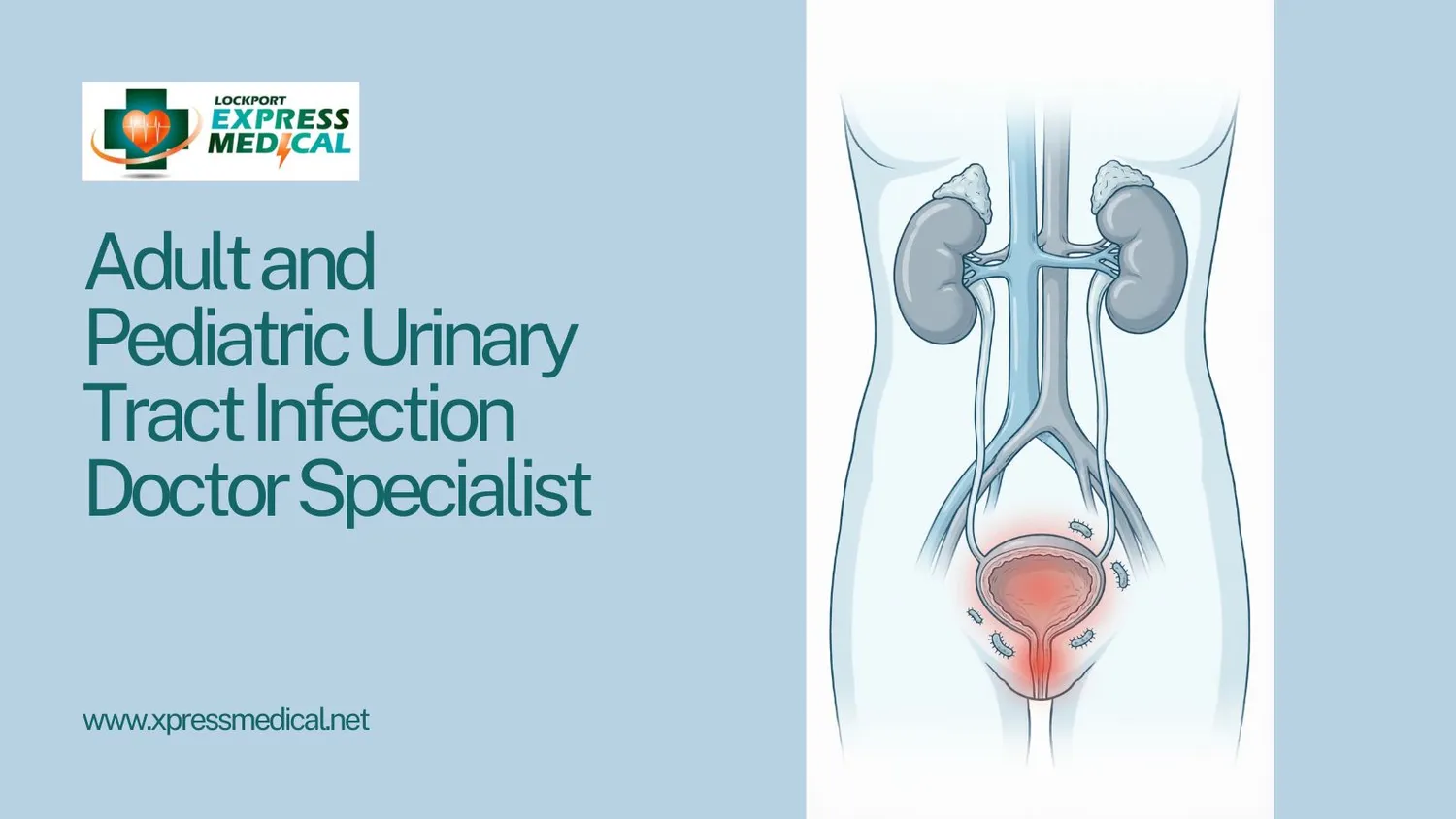
A urinary tract infection (UTI) is one of the most common bacterial infections affecting adults, particularly women, although men and children can develop UTIs as well. Symptoms often begin suddenly, causing discomfort that interferes with daily activities. Burning during urination, frequent trips to the bathroom, and pelvic pressure may seem minor at first, but delaying care can allow the infection to worsen.
A urinary tract infection doctor specialist can evaluate your symptoms, determine whether a bacterial infection is present, and recommend the appropriate treatment. Early diagnosis often leads to faster symptom relief while helping reduce the risk of complications, including kidney infections.
What Is a Urinary Tract Infection?
A urinary tract infection occurs when bacteria enter the urinary system and multiply. The infection may affect different parts of the urinary tract, including:
- The bladder
- The urethra
- The kidneys
- The ureters
Most infections involve the bladder and urethra. These lower urinary tract infections usually respond well to prompt treatment.
What Does a Urinary Tract Infection Doctor Specialist Do?
A urinary tract infection doctor specialist evaluates symptoms, identifies the source of infection, and determines whether additional testing is necessary.
Depending on your symptoms and medical history, your visit may include:
- Reviewing your symptoms
- Discussing previous urinary infections
- Performing a physical examination when appropriate
- Ordering urine testing
- Evaluating risk factors for recurrent infections
- Prescribing treatment when indicated
For patients with frequent or complicated infections, additional evaluation may be recommended to identify underlying urinary tract abnormalities.
Common Symptoms That Should Not Be Ignored
Many UTIs begin with mild symptoms that gradually become more uncomfortable.
Common warning signs include:
- Burning during urination
- Frequent urination
- A constant urge to urinate
- Passing only small amounts of urine
- Cloudy urine
- Strong-smelling urine
- Blood in the urine
- Lower abdominal discomfort
- Pelvic pressure
These symptoms may vary depending on the location and severity of the infection.
When Should You See a Urinary Tract Infection Doctor Specialist?
Although some mild symptoms may temporarily improve, persistent urinary discomfort should always be evaluated.
Seek medical care if you experience:
- Burning with urination lasting more than one day
- Frequent urination without improvement
- Blood in the urine
- Increasing pelvic pain
- Recurrent UTIs
- Symptoms during pregnancy
- Diabetes or weakened immune function
Prompt treatment often prevents the infection from spreading to the kidneys.
Signs That Require Immediate Medical Attention
A kidney infection is more serious than a bladder infection and requires urgent evaluation.
Seek immediate medical care if you develop:
- Fever
- Chills
- Pain in the side or back
- Nausea
- Vomiting
- Severe weakness
- Confusion, particularly in older adults
These symptoms may indicate that the infection has reached the kidneys and requires prompt treatment.
Who Is More Likely to Develop UTIs?
Several factors increase the likelihood of urinary tract infections.
Higher-risk groups include:
- Women
- Pregnant individuals
- Older adults
- People with diabetes
- Individuals using urinary catheters
- People with kidney stones
- Individuals with urinary tract abnormalities
- Those with weakened immune systems
Some people also experience recurrent infections due to anatomical differences or incomplete bladder emptying.
How Is a UTI Diagnosed?
Diagnosis usually begins with a discussion of your symptoms and medical history.
Your healthcare provider may recommend:
Urine Sample
A urine sample checks for bacteria, white blood cells, and blood that suggest infection.
Urine Culture
If symptoms are severe, recurrent, or resistant to treatment, a urine culture identifies the specific bacteria responsible and determines which antibiotics are most effective.
Additional Testing
Patients with repeated infections or suspected structural problems may require imaging studies or referral for further evaluation.
Treatment Options
Treatment depends on the severity of the infection, your health history, and laboratory findings.
Common treatment approaches include:
Antibiotics
Antibiotics remain the primary treatment for bacterial UTIs. The type and duration depend on the bacteria involved and your individual risk factors.
Pain Relief
Some medications help reduce burning and discomfort while the antibiotics begin working.
Hydration
Drinking adequate fluids supports normal urine flow and may help flush bacteria from the urinary tract.
Follow-Up Care
Patients with recurrent infections may need repeat urine testing or additional evaluation after completing treatment.
Can UTIs Be Prevented?
Although not every infection can be prevented, healthy habits may reduce the risk.
Helpful prevention strategies include:
- Drink plenty of water throughout the day.
- Avoid delaying urination.
- Empty your bladder completely.
- Practice good personal hygiene.
- Urinate after sexual activity when appropriate.
- Follow your provider's treatment recommendations if you experience recurrent infections.
People with repeated UTIs should discuss individualized prevention strategies with their healthcare provider.
What Happens If a UTI Is Left Untreated?
Ignoring urinary tract infection symptoms can allow bacteria to spread beyond the bladder.
Possible complications include:
- Kidney infection
- Recurrent UTIs
- Kidney damage in severe cases
- Bloodstream infection (rare but serious)
Early treatment significantly lowers the risk of these complications.
How Long Does Recovery Take?
Many patients notice improvement within one to three days after starting antibiotics. However, it is important to complete the entire prescribed course even if symptoms improve early.
If symptoms persist after treatment or quickly return, further evaluation by a urinary tract infection doctor specialist is recommended.
Get Prompt Care at Lockport Express Medical
If you're experiencing painful urination, frequent bathroom trips, pelvic discomfort, or other symptoms that could indicate a urinary tract infection, Lockport Express Medical provides prompt evaluation and treatment for uncomplicated UTIs. Our experienced medical team can perform urine testing, diagnose the cause of your symptoms, recommend appropriate treatment, and help determine whether additional care is needed. Don't wait for symptoms to worsen—visit Lockport Express Medical for convenient, compassionate care focused on helping you feel better as quickly as possible.
FAQs
Can a urinary tract infection go away without antibiotics?
Some mild urinary symptoms may temporarily improve, but most bacterial UTIs require medical evaluation and treatment to prevent complications.
How do I know if my infection has spread to the kidneys?
Fever, chills, back pain, nausea, vomiting, and feeling seriously ill may indicate a kidney infection that requires immediate medical attention.
Why do I keep getting urinary tract infections?
Recurrent UTIs may result from anatomical factors, incomplete bladder emptying, kidney stones, diabetes, hormonal changes, or other underlying medical conditions that require further evaluation.
Is blood in the urine always caused by a UTI?
Not always. Blood in the urine can have several causes, including kidney stones or other urinary tract conditions. Medical evaluation is important.
Should men see a doctor for UTI symptoms?
Yes. UTIs are less common in men, so urinary symptoms should always be evaluated to determine the underlying cause.
Can dehydration increase the risk of a UTI?
Not drinking enough fluids may reduce normal urine flow, which can contribute to bacterial growth in some individuals.