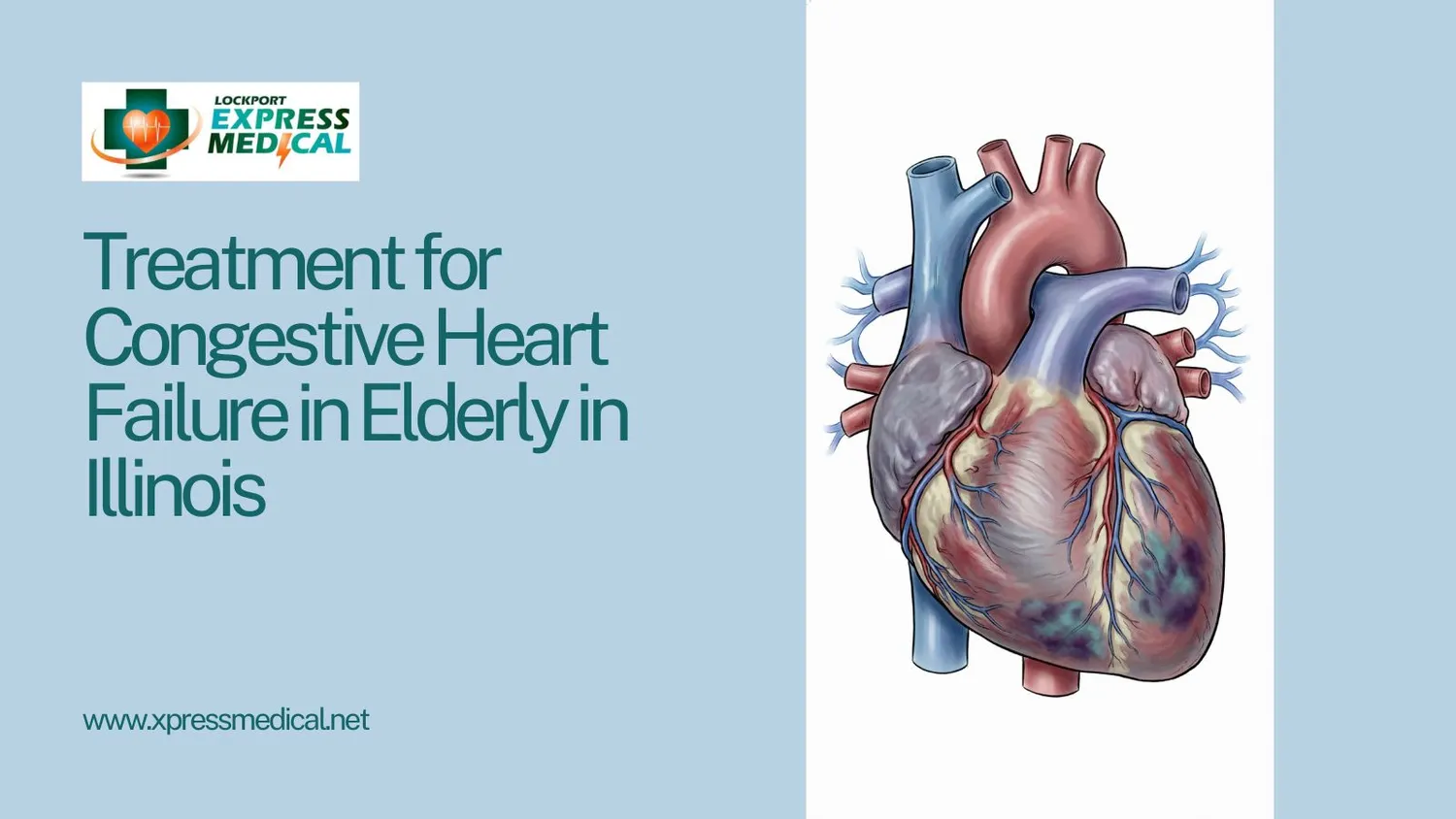
Congestive heart failure (CHF) is one of the most common cardiovascular conditions affecting older adults worldwide. As people age, the heart may gradually lose some of its ability to pump blood efficiently, leading to symptoms that can significantly impact daily life. Understanding the treatment for congestive heart failure in elderly patients is essential for improving outcomes, reducing hospital admissions, and enhancing overall well-being.
Because elderly individuals often have multiple health conditions and may respond differently to treatment than younger patients, managing CHF requires a personalized and holistic approach.
Understanding Congestive Heart Failure in Elderly Adults
Congestive heart failure occurs when the heart cannot pump enough blood to meet the body's needs. This causes fluid to accumulate in the lungs, legs, and other tissues, leading to symptoms such as:
- Shortness of breath
- Fatigue and weakness
- Swelling in the ankles, feet, or legs
- Persistent coughing or wheezing
- Rapid weight gain from fluid retention
- Difficulty performing routine activities
In elderly patients, these symptoms may develop gradually and can sometimes be mistaken for normal aging, delaying diagnosis and treatment.
Why Heart Failure Is More Complex in Seniors
Older adults often face additional challenges that make CHF treatment more complicated. Many have conditions such as:
- High blood pressure
- Diabetes
- Kidney disease
- Coronary artery disease
- Chronic lung disease
These conditions can influence treatment choices and increase the risk of complications. Additionally, elderly patients may be taking multiple medications, which raises concerns about drug interactions and side effects.
Goals of Treatment for Congestive Heart Failure in Elderly
The primary objectives of treatment include:
- Relieving symptoms
- Improving heart function
- Preventing disease progression
- Reducing hospitalizations
- Enhancing quality of life
- Supporting independence and daily activities
Healthcare providers develop individualized treatment plans based on each patient's health status, symptoms, and personal goals.
Medications Commonly Used in Treatment
Medication remains a cornerstone of heart failure management.
Diuretics
Often called "water pills," diuretics help remove excess fluid from the body. They can reduce swelling and improve breathing by decreasing fluid buildup in the lungs.
ACE Inhibitors and ARBs
These medications help relax blood vessels, lower blood pressure, and reduce the workload on the heart.
Beta-Blockers
Beta-blockers slow the heart rate and improve the heart's ability to pump blood effectively over time.
Mineralocorticoid Receptor Antagonists
These medications help reduce fluid retention and may improve survival rates in certain patients.
SGLT2 Inhibitors
Originally developed for diabetes management, these medications have shown significant benefits in heart failure treatment and are increasingly used in eligible patients.
Importance of Monitoring Medication Side Effects
Elderly patients may be more sensitive to medication-related side effects. Common concerns include:
- Low blood pressure
- Dizziness
- Electrolyte imbalances
- Kidney function changes
- Dehydration
Regular medical evaluations and laboratory testing help ensure treatments remain safe and effective.
Dietary Changes That Support Heart Health
Nutrition plays a vital role in managing heart failure.
Reducing Sodium Intake
Excess sodium causes the body to retain fluid, worsening heart failure symptoms. Patients are often advised to:
- Avoid processed foods
- Limit canned soups
- Read food labels carefully
- Choose low-sodium alternatives
Managing Fluid Intake
Some patients may need to limit daily fluid consumption to prevent fluid overload.
Maintaining Balanced Nutrition
A heart-healthy diet rich in:
- Fruits
- Vegetables
- Whole grains
- Lean proteins
- Healthy fats
can support cardiovascular function and overall health.
Physical Activity and Cardiac Rehabilitation
Many seniors mistakenly believe they should avoid exercise after a heart failure diagnosis. However, supervised physical activity can provide numerous benefits.
Appropriate exercise may help:
- Improve endurance
- Reduce fatigue
- Enhance circulation
- Strengthen muscles
- Improve emotional well-being
Cardiac rehabilitation programs offer structured exercise plans tailored to individual needs and abilities.
Managing Weight and Fluid Retention
Daily weight monitoring is often recommended for elderly patients with CHF.
A sudden increase in weight may indicate fluid buildup before other symptoms become noticeable. Patients are typically encouraged to:
- Weigh themselves every morning
- Record results consistently
- Report significant weight changes to their healthcare provider
Early intervention can prevent complications and hospitalizations.
Addressing Other Medical Conditions
Successful treatment for congestive heart failure in elderly patients requires managing underlying conditions that contribute to heart stress.
These may include:
- High blood pressure
- Diabetes
- Sleep apnea
- Kidney disease
- Heart rhythm disorders
Treating these conditions can improve heart failure outcomes and overall health.
The Role of Regular Medical Follow-Up
Consistent follow-up appointments allow healthcare providers to:
- Adjust medications
- Monitor symptoms
- Evaluate heart function
- Review lifestyle modifications
- Detect complications early
Routine care is especially important because heart failure symptoms can change over time.
Emotional and Mental Health Support
Living with a chronic condition can affect emotional well-being. Many elderly individuals experience anxiety, depression, or feelings of isolation.
Support may include:
- Counseling services
- Family involvement
- Community support groups
- Stress-management techniques
Addressing mental health needs can significantly improve treatment adherence and quality of life.
Preventing Hospital Readmissions
Hospital readmissions are common among heart failure patients. Prevention strategies include:
- Taking medications as prescribed
- Following dietary recommendations
- Monitoring symptoms daily
- Attending follow-up appointments
- Reporting worsening symptoms promptly
Patient education plays a crucial role in avoiding preventable complications.
When to Seek Immediate Medical Attention
Patients should seek urgent medical care if they experience:
- Severe shortness of breath
- Chest pain
- Fainting
- Rapid swelling
- Sudden weight gain
- Confusion or extreme weakness
Prompt treatment can prevent serious complications and improve outcomes.
Why Choose Lockport Express Medical for Treatment for Congestive Heart Failure in Elderly Patients?
At Lockport Express Medical, we understand the unique challenges associated with treatment for congestive heart failure in elderly patients. Our experienced healthcare professionals provide compassionate, patient-centered care designed to help seniors manage symptoms, improve heart health, and maintain independence. From comprehensive evaluations and personalized treatment plans to ongoing monitoring and preventive care, Lockport Express Medical is committed to supporting every patient on their journey toward better cardiovascular wellness. Contact our team today to learn how we can help you or your loved one receive quality heart failure care tailored to individual needs.
FAQs
What is the best treatment for congestive heart failure in elderly patients?
The best treatment depends on the patient's overall health and may include medications, dietary changes, physical activity, and regular medical monitoring.
Can congestive heart failure be cured in elderly patients?
While CHF is generally a chronic condition, proper treatment can effectively manage symptoms and slow disease progression.
What foods should elderly heart failure patients avoid?
Patients are usually advised to limit high-sodium foods, processed meals, fast food, and excessive fluid intake if recommended by their physician.
How often should heart failure patients see their doctor?
Follow-up frequency varies based on severity, but regular appointments are essential for monitoring symptoms and adjusting treatment plans.
Can exercise help elderly patients with heart failure?
Yes. Safe, physician-approved exercise programs can improve endurance, circulation, and overall quality of life.