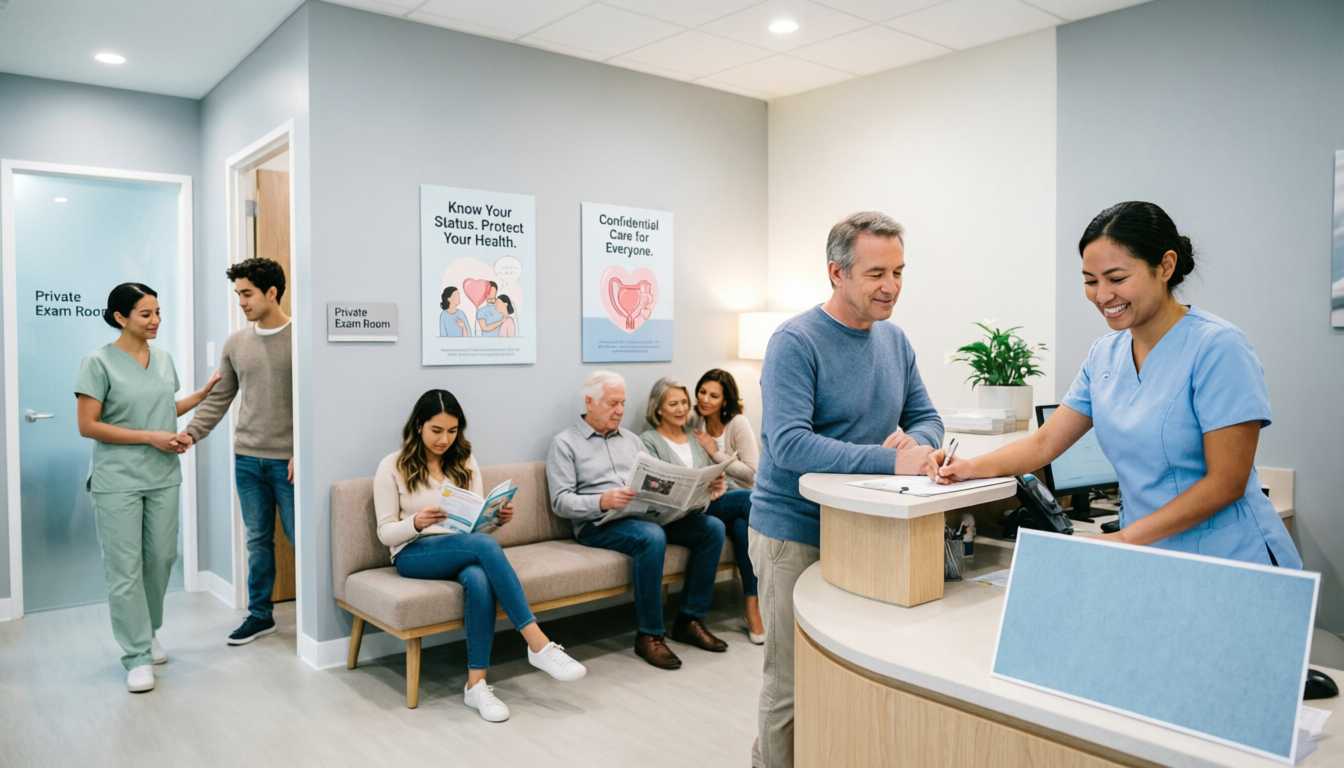
Sexually transmitted diseases (STDs) are more common than many people realize, and early detection plays a major role in effective treatment and prevention. Walk In STD Testing offers a convenient, private, and fast way to get screened without scheduling an appointment days or weeks in advance. For many people, this accessibility removes the biggest barrier to getting tested: delay.
In this guide, you’ll learn what walk in STD testing is, who should get tested, what to expect during your visit, and why quick access to screening matters for your health and the health of your partners.
What Is Walk In STD Testing?
Walk In STD Testing is a medical screening service that allows patients to visit a clinic without an appointment to be tested for sexually transmitted infections. Instead of booking ahead, you can go directly to a participating urgent care or medical clinic and request testing the same day.
These services are designed to be:
- Confidential
- Convenient
- Judgment-free
- Medically supervised
- Fast and efficient
Testing may include lab work such as blood tests, urine samples, or swabs depending on which infections are being screened.
Why Walk In STD Testing Is Important
Many STDs can exist without obvious symptoms, especially in early stages. People may feel healthy and unknowingly transmit infections to partners. Walk in STD testing helps close this gap by making screening easier and more immediate.
Key reasons it matters:
Early Detection
Finding infections early often means simpler and more effective treatment.
Reduced Transmission
Knowing your status helps protect current and future partners.
Peace of Mind
Testing removes uncertainty and anxiety after a possible exposure.
Faster Treatment
Same-day evaluation often leads to quicker prescriptions and care plans.
Who Should Consider Walk In STD Testing?
Walk in STD testing is appropriate for many people — not just those with symptoms.
You should consider getting tested if you:
- Had unprotected sex
- Have a new sexual partner
- Have multiple partners
- Notice unusual symptoms
- Were told a partner tested positive
- Share needles or injection equipment
- Are starting a new relationship
- Haven’t been tested in a long time
Routine screening is a normal part of responsible sexual health care.
Common STDs Checked During Walk In Testing
The specific tests offered can vary by clinic, but most walk in STD testing panels include common infections such as:
- Chlamydia
- Gonorrhea
- Syphilis
- HIV
- Hepatitis B and C
- Trichomoniasis
Some clinics also offer herpes testing when medically indicated. Providers help determine which tests are appropriate based on your history and risk factors.
Symptoms That Should Prompt Immediate Testing
While many infections are silent, some symptoms should trigger prompt walk in STD testing.
Watch for:
- Burning during urination
- Unusual discharge
- Genital sores or bumps
- Pelvic pain
- Testicular pain
- Unexplained rashes
- Pain during intercourse
- Abnormal bleeding
Even mild symptoms are worth checking. Many treatable infections start with subtle signs.
What Happens During a Walk In STD Testing Visit?
Many people avoid testing because they’re unsure what to expect. The process is usually straightforward and professional.
Registration
You check in like any medical visit. Your information is kept confidential.
Medical Questions
A clinician may ask about symptoms, exposures, and sexual history. This helps select the right tests — not to judge you.
Sample Collection
Testing may involve:
- Urine sample
- Blood draw
- Oral, genital, or rectal swab
Not every test requires every method.
Lab Processing
Some rapid tests provide same-day results, while others return within a few days.
Follow-Up
If results are positive, treatment or prescriptions are provided along with guidance on next steps.
Clinics such as Lockport Express Medical provide walk-in access to STD screening as part of their urgent care services, helping patients get answers quickly and discreetly.
Is Walk In STD Testing Confidential?
Yes. Walk in STD testing is confidential. Medical providers follow strict privacy laws regarding your records and results. Your information is not shared without your permission except where legally required for public health reporting — and even then, privacy protections apply.
If privacy is a concern, you can ask the clinic how results are delivered and how records are stored.
How Soon After Exposure Should You Get Tested?
Timing matters because each infection has a “window period” — the time between exposure and when a test can reliably detect it.
General guidance:
- Chlamydia & Gonorrhea: about 1–2 weeks
- Syphilis: about 3–6 weeks
- HIV: 2–6 weeks depending on test type
- Hepatitis: several weeks
If exposure was very recent, providers may recommend testing now and repeating later.
How Long Do Results Take?
Results timing depends on the type of test.
- Rapid HIV tests: same day
- Some urine tests: 24–48 hours
- Blood panels: 2–5 days
- Specialized tests: up to a week
Many clinics notify you securely by phone, portal, or in person.
What Happens If You Test Positive?
Testing positive is not the end — it’s the start of treatment and prevention.
Next steps may include:
- Prescription medication
- Same-day treatment for certain infections
- Partner notification guidance
- Follow-up testing
- Education on prevention
Many common STDs are fully treatable, and others are manageable with proper care.
Does Walk In STD Testing Replace Regular Checkups?
Walk in STD testing is excellent for immediate screening needs, but it should complement — not replace — routine preventive care. Regular checkups with a primary care provider help track your overall health and screening schedule.
Think of walk-in testing as fast access when timing and convenience matter most.
FAQs
1. Do I need an appointment for walk in STD testing?
No. Walk in STD testing is specifically designed so you can visit without an appointment and be tested the same day.
2. Is walk in STD testing painful?
Most tests involve urine samples, swabs, or a simple blood draw. Discomfort is usually minimal and brief.
3. How much does walk in STD testing cost?
Costs vary by clinic, insurance coverage, and number of tests ordered. Many centers provide clear pricing before testing.
4. Can I get treated the same day if I test positive?
For some infections, yes. Certain STDs can be treated immediately based on rapid results or clinical evaluation.
5. Should I avoid sexual activity before testing?
It’s best to avoid sexual contact after a suspected exposure and until your results are known and treatment is completed if needed.