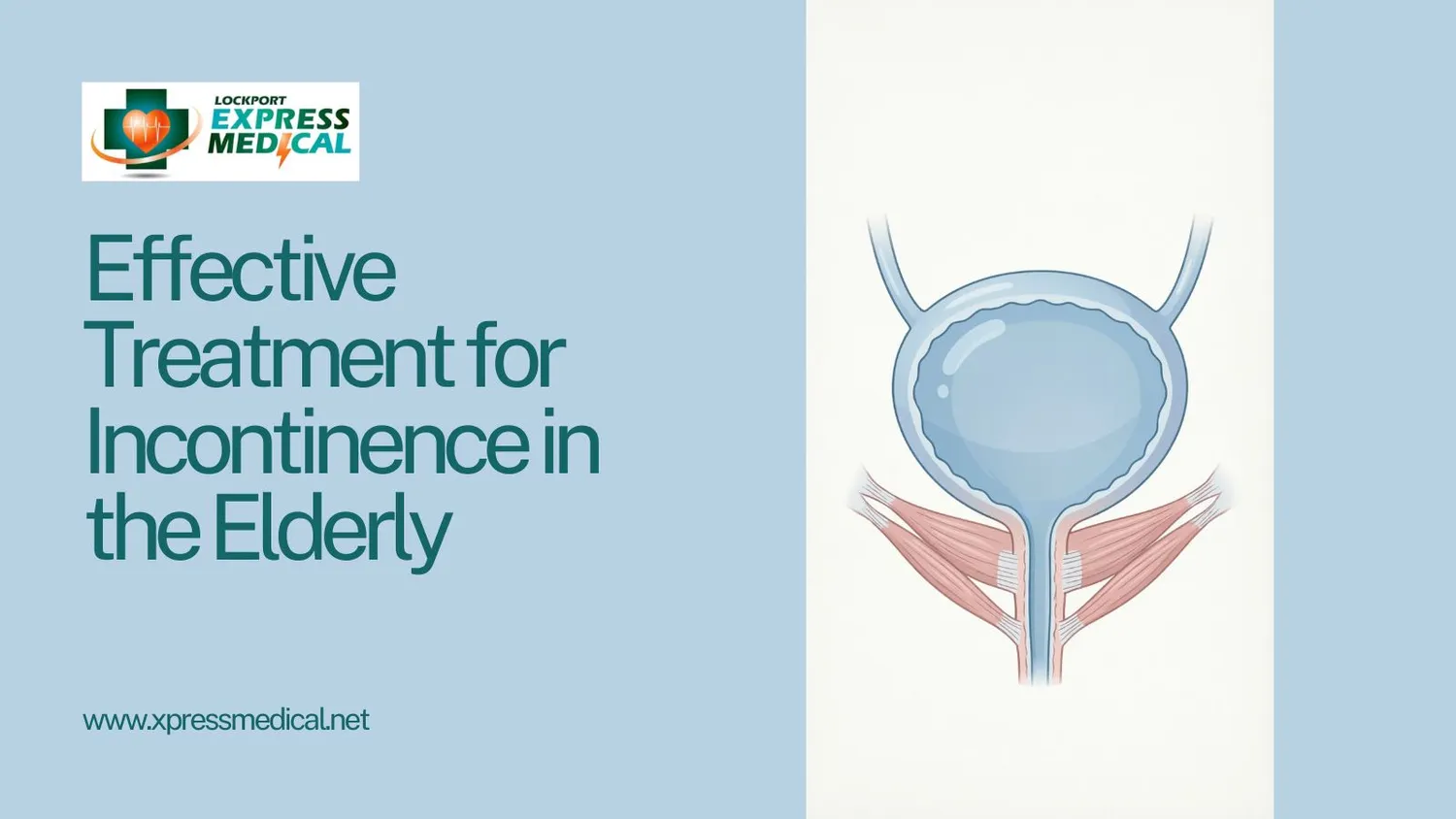
Urinary incontinence is one of the most common health concerns affecting older adults, yet it often goes untreated because many people mistakenly believe it is a normal part of aging. While aging can increase the risk of bladder problems, incontinence is usually a symptom of an underlying condition that can often be treated or managed successfully.
Seeking treatment for incontinence in the elderly early can improve quality of life, restore independence, reduce embarrassment, and prevent complications such as skin infections, falls, and urinary tract infections. Understanding the available treatment options is the first step toward better bladder health.
What Is Urinary Incontinence?
Urinary incontinence is the involuntary leakage of urine due to a loss of bladder control. It ranges from occasional leaks during coughing or sneezing to complete inability to control urination.
The severity varies from person to person, and the right treatment depends on identifying the specific cause.
Why Is Incontinence Common in Older Adults?
Several age-related changes increase the likelihood of bladder control problems, including:
- Weakening pelvic floor muscles
- Reduced bladder elasticity
- Enlarged prostate in men
- Hormonal changes after menopause
- Chronic illnesses
- Side effects of medications
- Cognitive impairment
- Mobility limitations
However, none of these factors mean that bladder leakage should simply be accepted.
Common Types of Urinary Incontinence:
Understanding the type of incontinence helps determine the most effective treatment.
Stress Incontinence
Occurs when pressure on the bladder causes urine leakage during:
- Sneezing
- Coughing
- Laughing
- Lifting heavy objects
- Exercise
This type is especially common among older women.
Urge Incontinence
Also known as overactive bladder.
Symptoms include:
- Sudden intense urge to urinate
- Frequent urination
- Leakage before reaching the bathroom
- Nighttime urination
Overflow Incontinence
The bladder does not empty completely, causing continuous dribbling.
Common causes include:
- Enlarged prostate
- Weak bladder muscles
- Nerve damage
Functional Incontinence
The urinary system works normally, but physical or cognitive limitations prevent reaching the bathroom in time.
Examples include:
- Arthritis
- Stroke
- Parkinson's disease
- Dementia
Mixed Incontinence
Many elderly patients experience more than one type simultaneously, most commonly stress and urge incontinence together.
Causes That Require Medical Evaluation:
Several treatable medical conditions can contribute to bladder leakage:
- Urinary tract infections
- Diabetes
- Constipation
- Enlarged prostate
- Bladder stones
- Neurological disorders
- Side effects of medications
- Obesity
- Pelvic organ prolapse
Proper diagnosis is essential before beginning treatment.
How Doctors Diagnose Incontinence?
Evaluation typically includes:
Medical History
Your healthcare provider asks about:
- Symptoms
- Fluid intake
- Medication use
- Previous surgeries
- Chronic illnesses
Physical Examination
A thorough physical exam may include evaluation of:
- Abdomen
- Pelvic muscles
- Prostate (for men)
- Nervous system
Urine Testing
Urinalysis helps identify:
- Infection
- Blood
- Diabetes-related changes
- Kidney issues
Bladder Diary
Patients may record:
- Fluid intake
- Bathroom visits
- Leakage episodes
- Triggers
This provides valuable information for treatment planning.
Lifestyle Changes That Improve Bladder Control:
Many people see improvement with simple daily habits.
Maintain a Healthy Weight
Excess body weight increases pressure on the bladder.
Even modest weight loss can reduce leakage.
Limit Bladder Irritants
Some foods and drinks worsen symptoms, including:
- Coffee
- Tea
- Alcohol
- Carbonated beverages
- Artificial sweeteners
- Spicy foods
Stay Hydrated
Drinking too little water can actually worsen bladder irritation.
Proper hydration is important while avoiding excessive fluid intake before bedtime.
Treat Constipation
Chronic constipation places pressure on the bladder and pelvic muscles.
Increasing fiber intake often helps.
Bladder Training:
Bladder training teaches patients to gradually increase the time between bathroom visits.
Benefits include:
- Reduced urgency
- Better bladder capacity
- Fewer accidents
- Improved confidence
Results often appear after several weeks of consistent practice.
Pelvic Floor Exercises:
Pelvic floor muscle exercises (Kegel exercises) strengthen the muscles responsible for bladder control.
Regular practice may help:
- Reduce stress incontinence
- Improve bladder support
- Prevent future leakage
- Increase confidence
Physical therapy may improve results for some patients.
Medications for Urinary Incontinence:
Depending on the diagnosis, physicians may prescribe medications that:
- Relax bladder muscles
- Reduce bladder spasms
- Improve bladder emptying
- Treat enlarged prostate
- Address hormonal deficiencies
Medication choice depends on the individual's health status and underlying condition.
Medical Devices and Procedures:
When conservative treatments are insufficient, additional options may include:
- Pessary devices for pelvic organ prolapse
- Bladder Botox injections
- Nerve stimulation therapy
- Bulking injections
- Catheter management when necessary
Many procedures are minimally invasive and require little recovery time.
Surgical Treatment:
Surgery is generally reserved for patients who do not improve with other treatments.
Possible procedures include:
- Sling procedures
- Bladder neck suspension
- Artificial urinary sphincter
- Prolapse repair surgery
A specialist can determine whether surgery is appropriate.
Preventing Complications:
Untreated urinary incontinence can lead to:
- Skin breakdown
- Urinary tract infections
- Sleep disturbances
- Falls while rushing to the bathroom
- Depression
- Social isolation
Prompt treatment significantly reduces these risks.
Tips for Caregivers:
Family members can support elderly loved ones by:
- Encouraging medical evaluation
- Helping maintain bladder diaries
- Assisting with scheduled bathroom visits
- Ensuring easy bathroom access
- Promoting healthy hydration
- Supporting pelvic floor exercise routines
Compassion and patience are essential throughout treatment.
When to See a Healthcare Provider?
Schedule a medical evaluation if urinary leakage:
- Happens regularly
- Interferes with daily life
- Causes pain
- Includes blood in the urine
- Appears suddenly
- Leads to repeated infections
Early diagnosis often leads to better treatment outcomes.
Conclusion
Finding the right treatment for incontinence in the elderly begins with identifying the underlying cause rather than accepting bladder leakage as an unavoidable part of aging. From lifestyle adjustments and pelvic floor exercises to medications and advanced medical procedures, today's treatment options can dramatically improve bladder control, comfort, and overall quality of life. Seeking professional evaluation early allows patients to receive personalized care that addresses both symptoms and long-term health.
For compassionate and comprehensive treatment for incontinence in the elderly, Lockport Express Medical offers personalized evaluations, accurate diagnosis, and evidence-based treatment plans tailored to every patient's needs. Their experienced healthcare team focuses on restoring confidence, improving bladder health, and helping older adults maintain an active, independent lifestyle. Whether symptoms are mild or more advanced, Lockport Express Medical is committed to providing high-quality care that supports long-term wellness.
FAQs
Is urinary incontinence a normal part of aging?
No. Although aging increases the risk, urinary incontinence is usually caused by treatable medical conditions and should always be evaluated by a healthcare provider.
Can urinary incontinence be cured?
Many cases can be cured or significantly improved depending on the underlying cause and the treatment approach.
What is the best treatment for incontinence in the elderly?
The best treatment depends on the type of incontinence and may include lifestyle changes, pelvic floor exercises, medications, bladder training, or medical procedures.
Are medications safe for older adults?
Many medications are safe when prescribed appropriately, but healthcare providers carefully consider other medical conditions and medications before treatment.
Can pelvic floor exercises really help seniors?
Yes. Consistent pelvic floor exercises can strengthen bladder-supporting muscles and reduce leakage, especially for stress incontinence.
When should an elderly person seek medical care for bladder leakage?
Anyone experiencing frequent leakage, pain, blood in the urine, sudden symptoms, or recurrent urinary tract infections should seek medical evaluation promptly.