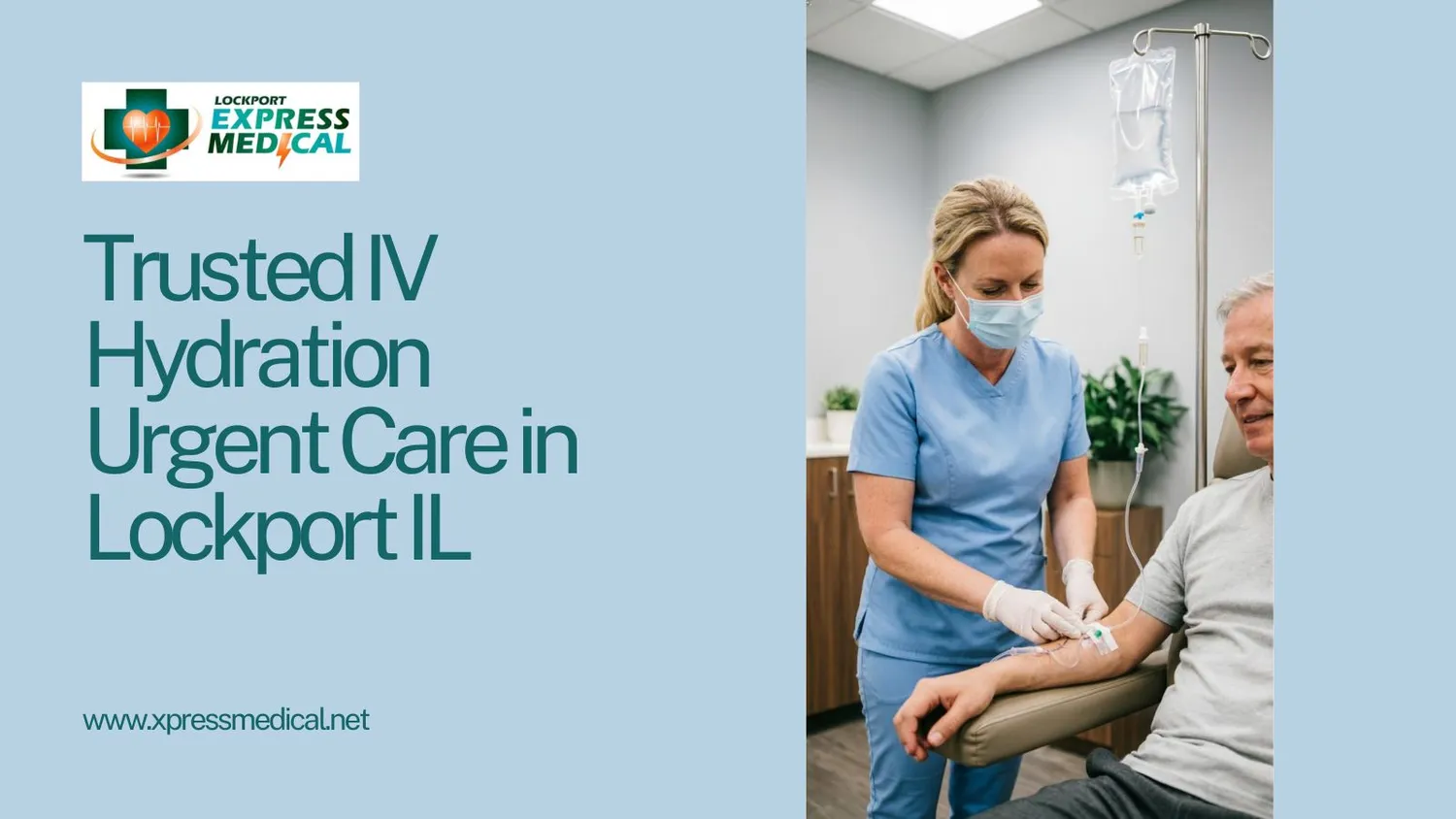
Dehydration can develop faster than many people realize. Vomiting, diarrhea, fever, excessive sweating, heat exposure, and certain illnesses may cause the body to lose water and electrolytes more quickly than they can be replaced. While drinking water is the first recommendation for mild dehydration, some situations make oral hydration difficult or insufficient.
An IV hydration urgent care visit provides prompt medical evaluation and, when appropriate, intravenous fluids that help restore hydration directly into the bloodstream. Understanding when IV hydration is recommended, what to expect during treatment, and when emergency care is necessary can help you make informed healthcare decisions.
What Is IV Hydration Urgent Care?
IV hydration urgent care is a medical service that evaluates patients with dehydration symptoms and administers intravenous fluids when clinically appropriate.
Unlike simply receiving fluids, urgent care providers first determine the cause of dehydration, assess overall health, and ensure there are no serious conditions requiring emergency treatment.
The goal is to safely restore hydration while addressing the underlying illness.
Common Causes of Dehydration
Many everyday illnesses and environmental factors can lead to dehydration, including:
- Stomach viruses
- Food poisoning
- Persistent vomiting
- Diarrhea
- High fever
- Heat exhaustion
- Excessive sweating
- Inadequate fluid intake
- Certain medications
- Intense physical activity
Older adults and young children are often at greater risk because they may lose fluids more quickly.
Signs You May Need Medical Evaluation
Symptoms of dehydration vary depending on severity.
Common warning signs include:
- Excessive thirst
- Dry mouth
- Dark-colored urine
- Urinating less frequently
- Fatigue
- Weakness
- Dizziness
- Headache
- Muscle cramps
- Lightheadedness when standing
If symptoms continue despite drinking fluids, medical evaluation is recommended.
When Is IV Hydration Recommended?
Not every patient with dehydration requires IV fluids.
Healthcare providers may recommend IV hydration when:
- Oral fluids cannot be tolerated
- Persistent vomiting prevents drinking
- Moderate dehydration is present
- Electrolyte replacement may be necessary
- Symptoms continue despite oral hydration
- Rapid fluid replacement is clinically appropriate
Treatment decisions are always based on the provider's examination.
What Happens During an IV Hydration Urgent Care Visit?
Your visit typically begins with a complete medical evaluation.
The provider will review:
- Symptoms
- Medical history
- Current medications
- Allergies
- Recent illnesses
- Vital signs
- Physical examination findings
If IV hydration is appropriate, a small intravenous catheter is inserted into a vein, allowing fluids to flow directly into the bloodstream while your condition is monitored.
Types of IV Fluids Used
The specific fluid depends on your condition.
Common IV fluids include:
- Normal saline
- Lactated Ringer's solution
- Other balanced electrolyte solutions
Additional medications may sometimes be prescribed separately if medically indicated, such as anti-nausea medications.
Benefits of Receiving IV Hydration
For appropriate patients, IV hydration may offer several advantages.
Potential benefits include:
- Efficient fluid replacement
- Bypassing the digestive system
- Supporting electrolyte balance
- Helping improve hydration status
- Convenient outpatient treatment
- Medical monitoring during therapy
Each patient's response varies depending on the underlying condition.
Conditions Commonly Treated with IV Hydration
Urgent care providers frequently evaluate dehydration related to:
- Gastroenteritis
- Influenza
- COVID-19 recovery
- Food poisoning
- Heat-related illness
- Migraine-associated dehydration
- Viral infections
- Mild dehydration after prolonged exercise
The underlying illness always guides treatment decisions.
Can Children Receive IV Hydration?
Children may require IV hydration if dehydration becomes moderate or severe and they cannot drink enough fluids.
Pediatric patients require individualized evaluation based on:
- Age
- Weight
- Symptoms
- Overall medical condition
Parents should seek immediate medical attention if children become unusually sleepy, stop urinating normally, or cannot keep fluids down.
IV Hydration for Heat Exhaustion
High temperatures increase the risk of dehydration, especially during summer months.
People working outdoors, athletes, and older adults are particularly vulnerable.
Medical evaluation helps determine whether symptoms represent uncomplicated dehydration or a more serious heat-related emergency requiring hospital care.
Preparing for Your Visit
To help providers evaluate your condition, bring:
- Photo identification
- Insurance information
- Medication list
- Medical history
- Information about recent illnesses
- Details about fluid intake and urine output if possible
Avoid delaying care if symptoms are worsening.
Recovery After IV Hydration
Many patients are able to return home shortly after treatment.
Recovery recommendations often include:
- Continuing oral hydration
- Eating bland foods if tolerated
- Resting
- Following medication instructions
- Monitoring symptoms
Follow-up care may be recommended if symptoms continue.
When Should You Go to the Emergency Room Instead?
Some symptoms require emergency treatment rather than urgent care.
Seek emergency care immediately if you experience:
- Confusion
- Loss of consciousness
- Severe chest pain
- Difficulty breathing
- Severe abdominal pain
- Persistent bloody vomiting
- Bloody diarrhea
- Seizures
- Signs of shock
- Extremely low blood pressure
These symptoms may indicate serious medical emergencies.
Tips to Prevent Dehydration
Simple preventive measures can reduce your risk of dehydration.
Helpful habits include:
- Drink fluids regularly
- Increase water intake during hot weather
- Replace fluids during illness
- Limit alcohol during heat exposure
- Take breaks during strenuous activity
- Monitor urine color as a hydration indicator
- Seek medical care early if symptoms worsen
Preventing dehydration is often easier than treating it.
Why Choose Lockport Express Medical for IV Hydration Urgent Care?
When dehydration symptoms interfere with your daily life, receiving timely medical evaluation is important. At Lockport Express Medical, experienced healthcare professionals assess your condition, determine whether IV hydration urgent care is appropriate, and provide individualized treatment in a comfortable outpatient setting. With convenient walk-in availability, compassionate care, and a commitment to patient safety, Lockport Express Medical helps patients receive prompt attention for dehydration and many other non-life-threatening illnesses and injuries.
Frequently Asked Questions
Is IV hydration better than drinking water?
Not necessarily. Mild dehydration is usually treated with oral fluids. IV hydration is generally reserved for patients who cannot drink enough fluids or require faster fluid replacement.
How long does IV hydration take?
Most IV hydration treatments take between 30 and 90 minutes, depending on the patient's condition and treatment plan.
Does urgent care treat severe dehydration?
Urgent care can evaluate dehydration, but patients with severe dehydration or medical emergencies may require hospital treatment.
Can IV hydration help after vomiting?
If vomiting prevents you from keeping fluids down, a provider may determine that IV hydration is appropriate after evaluating your condition.
Will I receive electrolytes with IV fluids?
Many IV fluids contain electrolytes, but the exact solution depends on your medical needs.
Is IV hydration safe?
When administered under medical supervision after proper evaluation, IV hydration is generally considered a safe treatment for appropriate patients.
Can I drive home after IV hydration?
Many patients can drive themselves home, but it depends on the underlying illness and how they feel after treatment.
Should I visit urgent care or the emergency room?
Urgent care is appropriate for many non-life-threatening dehydration concerns. However, severe symptoms such as confusion, difficulty breathing, loss of consciousness, or signs of shock require immediate emergency care.