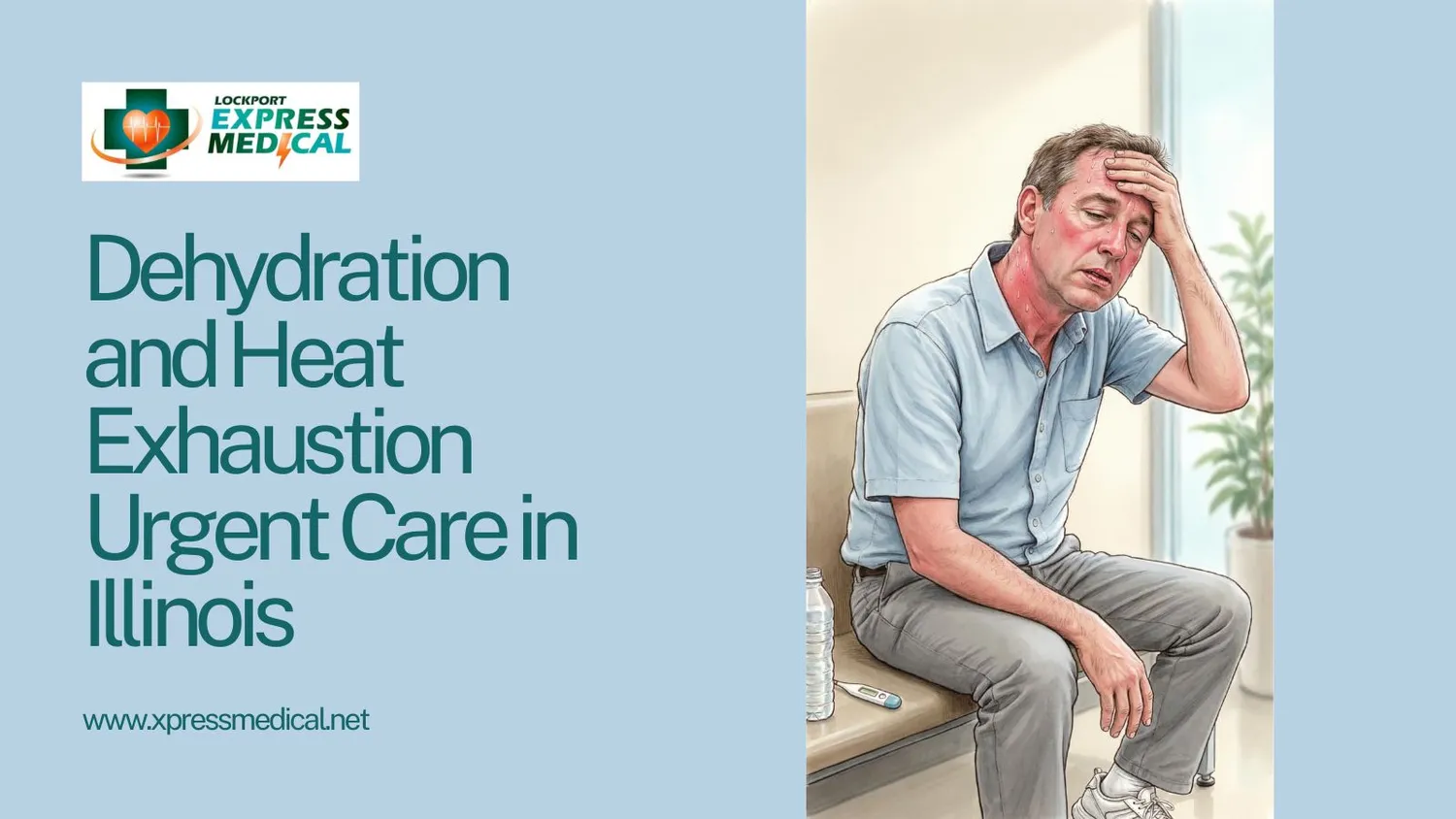
Hot weather, strenuous activity, and prolonged exposure to high temperatures can quickly lead to heat exhaustion. While many people believe resting and drinking water are enough, moderate to severe symptoms often require professional medical attention. Seeking heat exhaustion urgent care ensures you receive prompt evaluation, hydration, and treatment before your condition progresses into heat stroke, a medical emergency.
What Is Heat Exhaustion?
Heat exhaustion is a heat-related illness that develops when the body loses excessive water and electrolytes through sweating. It commonly occurs during hot, humid weather or after intense physical activity.
Without treatment, heat exhaustion can rapidly progress into heat stroke, which can damage the brain, heart, kidneys, and muscles.
Common Symptoms of Heat Exhaustion
Recognizing symptoms early can help prevent serious complications.
Common symptoms include:
- Heavy sweating
- Cool, pale, clammy skin
- Weakness
- Fatigue
- Dizziness
- Fainting
- Muscle cramps
- Nausea
- Vomiting
- Rapid pulse
- Headache
- Excessive thirst
If these symptoms worsen or fail to improve after cooling down, seek heat exhaustion urgent care immediately.
What Causes Heat Exhaustion?
Several factors increase your risk, including:
- High outdoor temperatures
- High humidity
- Strenuous exercise
- Working outdoors
- Poor hydration
- Wearing heavy clothing
- Alcohol consumption
- Certain medications
- Chronic medical conditions
Children, older adults, and people with heart disease are especially vulnerable.
Who Is Most at Risk?
Anyone can develop heat exhaustion, but higher-risk groups include:
- Construction workers
- Athletes
- Outdoor laborers
- Elderly adults
- Young children
- Individuals with diabetes
- People with cardiovascular disease
- Individuals taking diuretics
Understanding your risk helps you take preventive measures.
When Should You Visit Heat Exhaustion Urgent Care?
Seek immediate medical evaluation if you experience:
- Persistent vomiting
- Confusion
- Severe dizziness
- Fainting
- Rapid heartbeat
- Symptoms lasting longer than one hour
- Inability to drink fluids
- Signs of dehydration
Prompt treatment can prevent serious complications.
How Urgent Care Diagnoses Heat Exhaustion
Healthcare providers begin with a complete assessment that may include:
- Reviewing symptoms
- Measuring body temperature
- Checking blood pressure
- Monitoring heart rate
- Evaluating hydration status
- Blood testing if necessary
This evaluation helps determine whether you have heat exhaustion or heat stroke.
Treatments Available at Heat Exhaustion Urgent Care
Treatment depends on symptom severity and may include:
- Cooling measures
- Oral rehydration
- IV fluids
- Electrolyte replacement
- Observation
- Medication for nausea
- Rest in a temperature-controlled environment
Most patients improve quickly with early treatment.
Can Heat Exhaustion Become Heat Stroke?
Yes.
Untreated heat exhaustion can develop into heat stroke, which is a life-threatening emergency.
Warning signs include:
- Body temperature above 104°F
- Confusion
- Loss of consciousness
- Seizures
- Hot, dry skin
- Difficulty breathing
Call emergency services immediately if these symptoms occur.
How Long Does Recovery Take?
Recovery depends on:
- Severity
- Age
- Overall health
- Hydration level
- How quickly treatment begins
Most mild cases improve within several hours, while moderate cases may require one to two days before full recovery.
Preventing Heat Exhaustion
Reduce your risk by:
- Drinking plenty of water
- Taking frequent breaks
- Wearing lightweight clothing
- Avoiding midday heat
- Using sunscreen
- Staying in shaded areas
- Replacing electrolytes during prolonged exercise
Prevention is always easier than treatment.
Heat Exhaustion in Children
Children overheat faster than adults because their bodies regulate temperature differently.
Parents should watch for:
- Excessive sweating
- Fatigue
- Irritability
- Dizziness
- Vomiting
- Headaches
Prompt medical evaluation is recommended if symptoms persist.
Heat Exhaustion in Older Adults
Older adults have a reduced ability to regulate body temperature.
Factors that increase risk include:
- Chronic illnesses
- Prescription medications
- Reduced thirst sensation
- Limited mobility
Caregivers should monitor hydration carefully during hot weather.
Heat Exhaustion for Outdoor Workers and Athletes
Construction crews, landscapers, delivery drivers, and athletes are frequently exposed to extreme temperatures.
Important preventive measures include:
- Scheduled hydration breaks
- Cooling stations
- Frequent rest periods
- Proper clothing
- Monitoring for early symptoms
Employers and coaches should encourage immediate reporting of symptoms.
What to Expect During Your Urgent Care Visit
During your visit, providers typically:
- Assess symptoms
- Monitor vital signs
- Evaluate hydration
- Begin cooling measures
- Administer IV fluids if needed
- Provide discharge instructions
- Recommend follow-up care when appropriate
Most visits are completed quickly, allowing patients to recover safely.
Why Choose Lockport Express Medical for Heat Exhaustion Urgent Care?
When heat-related illness strikes, fast treatment makes all the difference. Lockport Express Medical provides prompt heat exhaustion urgent care with experienced medical professionals who quickly assess your condition, provide hydration therapy when needed, monitor your recovery, and help prevent dangerous complications like heat stroke. Whether your symptoms developed after outdoor work, sports, or extreme summer temperatures, our walk-in clinic offers convenient, compassionate care designed to help you feel better as quickly as possible.
Frequently Asked Questions
Can heat exhaustion go away without medical treatment?
Mild cases may improve with rest, cooling, and hydration, but persistent or worsening symptoms require urgent medical evaluation.
How is heat exhaustion different from heat stroke?
Heat exhaustion causes dehydration and overheating, while heat stroke involves dangerously high body temperature and neurological symptoms, making it a medical emergency.
Does urgent care provide IV fluids for heat exhaustion?
Yes. Many urgent care clinics provide IV hydration for patients experiencing moderate dehydration or persistent symptoms.
How long should I rest after heat exhaustion?
Most people should avoid strenuous activity for at least 24 to 48 hours or until symptoms have completely resolved.
Can I drive myself to urgent care?
If you feel dizzy, weak, confused, or faint, you should have someone else drive you or call emergency services if symptoms are severe.
Is heat exhaustion preventable?
Yes. Staying hydrated, taking breaks, wearing light clothing, and avoiding prolonged exposure to extreme heat significantly reduce your risk.