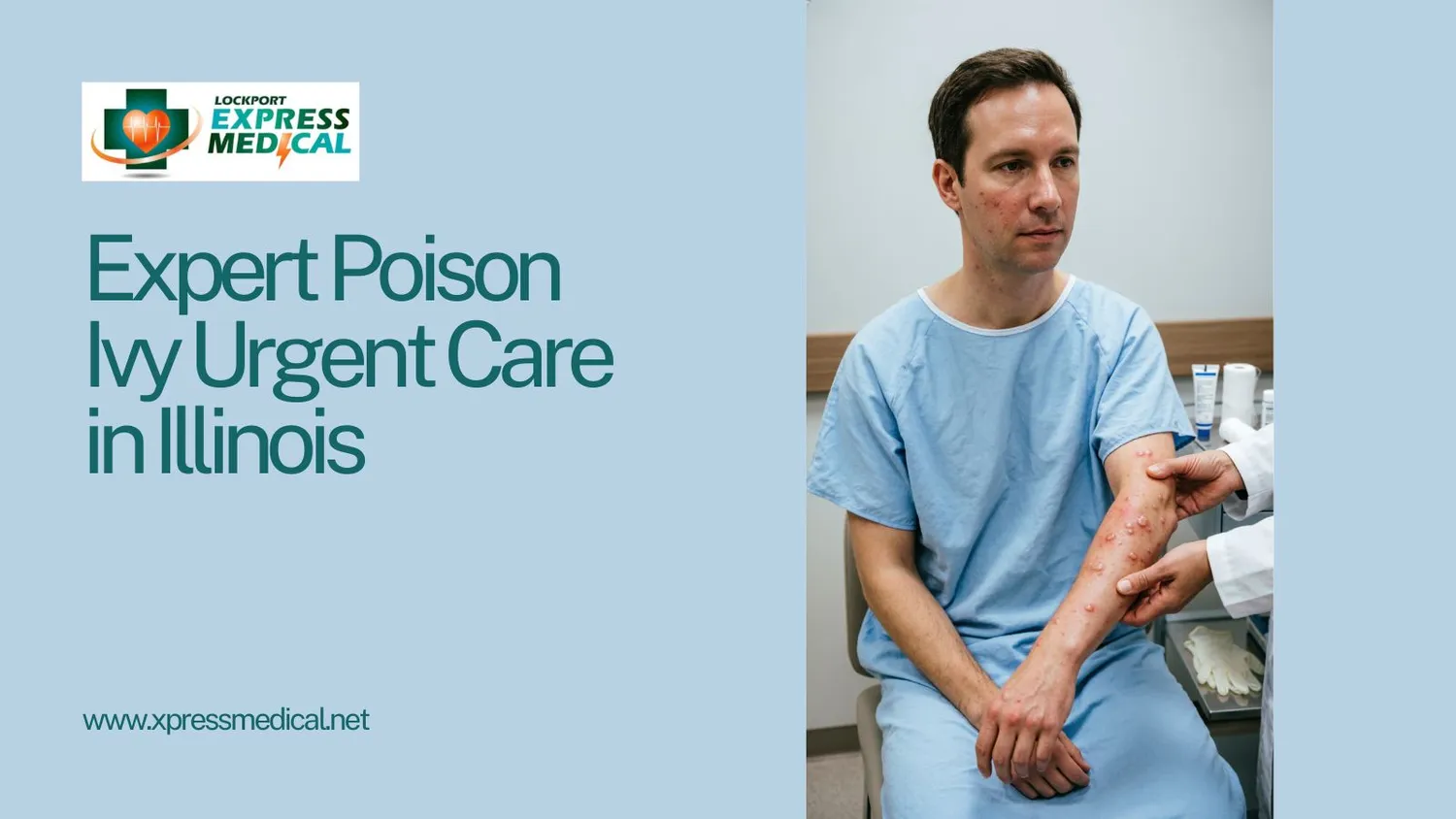
Poison ivy exposure can quickly turn an enjoyable day outdoors into an uncomfortable experience filled with itching, redness, swelling, and painful blisters. While many mild rashes improve with home treatment, some cases require professional medical attention. Seeking poison ivy urgent care can help relieve symptoms faster, reduce inflammation, and prevent complications such as skin infections. Understanding when to visit an urgent care clinic and what treatment options are available can make recovery much easier.
What Is Poison Ivy?
Poison ivy is a plant that contains an oily resin called urushiol, which triggers an allergic skin reaction in most people. Even a small amount of this oil can cause an itchy rash that develops within hours or days after contact.
How Does Poison Ivy Cause a Rash?
The rash occurs when urushiol comes into contact with your skin. The oil penetrates the skin rapidly and activates the body's immune response, resulting in:
- Redness
- Severe itching
- Swelling
- Fluid-filled blisters
- Skin irritation
The rash itself is not contagious, but any remaining urushiol on clothing, pets, gardening tools, or shoes can continue causing new reactions.
Common Symptoms of Poison Ivy Exposure
Symptoms vary depending on your sensitivity and the amount of exposure.
Common signs include:
- Intense itching
- Red streaks or patches
- Swollen skin
- Blisters filled with clear fluid
- Burning sensation
- Tender skin
Symptoms may continue for two to three weeks without proper treatment.
When Should You Seek Poison Ivy Urgent Care?
Many mild cases respond well to home remedies. However, urgent medical care is recommended if:
- The rash covers a large portion of your body.
- Swelling affects your face or eyes.
- You experience difficulty breathing.
- Blisters become infected.
- Fever develops.
- Home treatment does not improve symptoms after several days.
- The itching becomes unbearable.
Prompt poison ivy urgent care can significantly shorten recovery time.
What Happens During an Urgent Care Visit?
A healthcare provider will:
- Examine your rash
- Ask about recent outdoor activities
- Evaluate the severity
- Rule out other skin conditions
- Recommend the most appropriate treatment plan
Most patients do not require laboratory tests.
Treatments Available at Poison Ivy Urgent Care Clinics
Treatment depends on symptom severity and may include:
- Prescription corticosteroids
- Oral antihistamines
- Anti-itch medications
- Topical steroid creams
- Wound care for blisters
- Antibiotics if a bacterial infection develops
Early treatment often prevents worsening symptoms.
Can Poison Ivy Be Treated at Home?
Yes, mild cases often improve with:
- Cool compresses
- Calamine lotion
- Oatmeal baths
- Hydrocortisone cream
- Oral antihistamines
- Washing exposed skin immediately
However, worsening symptoms should prompt a visit for poison ivy urgent care.
How Long Does Poison Ivy Last?
Without treatment, symptoms often last:
- Mild cases: 1–2 weeks
- Moderate cases: 2–3 weeks
- Severe reactions: More than 3 weeks
Medical treatment can reduce both discomfort and healing time.
How to Prevent Poison Ivy Exposure
Simple precautions include:
- Learn to identify poison ivy plants.
- Wear long sleeves and gloves outdoors.
- Wash exposed skin immediately.
- Clean gardening equipment.
- Wash contaminated clothing separately.
- Bathe pets after outdoor adventures.
Prevention is the best defense against future rashes.
Can Poison Ivy Spread from Person to Person?
No.
The rash itself cannot spread between people. New rashes only occur when urushiol oil remains on contaminated objects or skin before washing.
Who Is Most at Risk?
People frequently exposed to wooded or grassy areas are at higher risk, including:
- Gardeners
- Landscapers
- Construction workers
- Hikers
- Campers
- Hunters
- Children playing outdoors
Possible Complications of Untreated Poison Ivy
Ignoring severe symptoms may lead to:
- Skin infections
- Excessive swelling
- Scarring from scratching
- Sleep disruption
- Secondary bacterial infections
Professional evaluation helps prevent these complications.
How Quickly Can Treatment Relieve Symptoms?
Many patients begin feeling relief within 24 to 48 hours after receiving prescription treatment.
Complete healing depends on:
- Severity
- Treatment timing
- Individual immune response
- Whether additional exposure occurred
Tips for a Faster Recovery
To recover more comfortably:
- Avoid scratching.
- Keep fingernails trimmed.
- Stay hydrated.
- Wear loose clothing.
- Follow medication instructions carefully.
- Avoid further exposure to poison ivy.
These measures help reduce irritation and lower the risk of infection.
Why Choose Lockport Express Medical for Poison Ivy Urgent Care?
When you need dependable poison ivy urgent care, Lockport Express Medical offers prompt evaluation and treatment without the long wait times often associated with emergency rooms. Their experienced medical team provides personalized care for poison ivy rashes, helping relieve itching, reduce inflammation, and prevent complications. Whether your symptoms are mild or severe, Lockport Express Medical is committed to helping you recover quickly so you can get back to your normal routine with confidence.
Frequently Asked Questions
Can urgent care prescribe steroids for poison ivy?
Yes. Providers may prescribe oral or injectable corticosteroids for moderate to severe poison ivy reactions.
How soon should I visit urgent care after exposure?
Visit an urgent care clinic if symptoms become severe, spread rapidly, involve the face or eyes, or do not improve with home treatment.
Is poison ivy contagious?
No. The rash cannot spread between people. Only contact with urushiol oil causes new reactions.
Can poison ivy cause infection?
Yes. Excessive scratching may introduce bacteria into the skin, resulting in a secondary infection.
Will antibiotics cure poison ivy?
No. Antibiotics only treat bacterial infections and are not effective against the allergic reaction itself.
How long does poison ivy itching last?
Without treatment, itching may last two to three weeks. Proper medical care can reduce symptom duration and improve comfort more quickly.