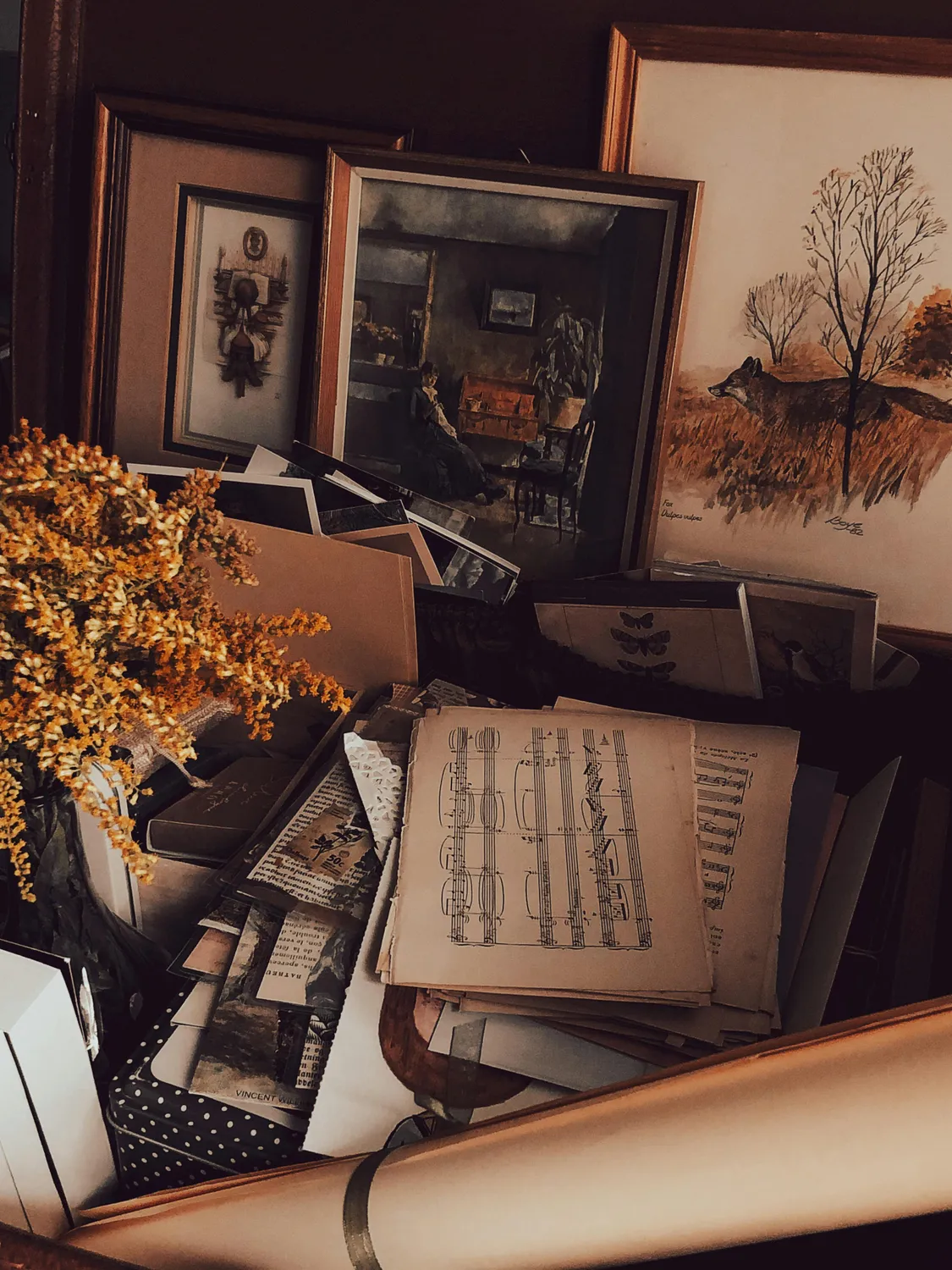
We all have them — the shoeboxes shoved under the bed, the overflowing drawer in the spare room, the cardboard boxes stacked in the garage that haven't been opened in years. Inside these containers live the things we can't quite bring ourselves to throw away: a grandmother's handwritten recipe cards, a child's first pair of shoes, wedding favours, birthday cards, concert ticket stubs, a worn-out jersey from a team that no longer exists. Sentimental items occupy a strange middle ground in our lives. They hold no real monetary value, yet parting with them feels like erasing a piece of who we are. And for anyone searching for storage units in NSW to manage the overflow, you are certainly not alone — this is one of the most common storage challenges people face.
The tension between holding onto meaningful objects and maintaining a calm, uncluttered home is something most of us quietly wrestle with. This article is about finding a thoughtful way through that tension — one that honours the memories attached to your belongings without letting them take over your living space.
Why We Hold On
Before we talk about how to store sentimental items well, it helps to understand why we keep them at all.
Memory researchers have long noted that physical objects serve as "external memory cues" — tangible anchors to moments, people, and versions of ourselves that no longer exist in the present. When you hold your late father's watch or flip through a stack of postcards from a childhood holiday, you are not just looking at objects. You are accessing emotion, identity, and connection. This is why decluttering gurus who cheerfully advise you to "toss anything that does not spark joy" can feel so tone-deaf. Of course it sparks joy. It also sparks grief, nostalgia, love, and a complicated mix of feelings that don't fit neatly into a donate pile.
The goal, then, is not to eliminate sentimental items. It has to be intentional about how and where they live.
The First Step: Separating the Meaningful from the Merely Old
Not everything old is sentimental, and not everything sentimental deserves the same level of attention. A useful first exercise is to go through your collection with fresh eyes and ask yourself a few honest questions: Do I actually think about this object, or did I just keep it out of habit? If this were lost in a flood tomorrow, would I grieve it — or quietly feel relieved?
This kind of reflection is harder than it sounds. It requires sitting with discomfort and resisting the urge to keep everything "just in case." But it is genuinely liberating. Once you have separated the items that carry real emotional weight from those that are simply old or associated with obligation, the path forward becomes much clearer.
For the things that genuinely matter, the next question is where they should live — and that answer depends on how often you want to engage with them.
Creating a Home for Memory Within Your Home
Some sentimental items deserve to be displayed. A framed photo from your parents' wedding, a piece of pottery your daughter made in primary school, a vintage clock that belonged to your grandparents — these are objects that bring warmth to a room and invite conversation. When meaningful items are curated and displayed with intention, they stop being clutter and start being part of your home's story.
The key word here is curated. Displaying everything is the same as displaying nothing — it creates visual noise rather than meaning. Choose a small number of pieces that you genuinely love to look at, and give them proper space to breathe. Rotate items seasonally if you have more than will fit comfortably, swapping pieces in and out of display so they feel fresh rather than invisible through familiarity.
For items that are too fragile, too bulky, or simply too personal for display, dedicated storage within the home can work beautifully. Invest in quality archival boxes for paper items — old letters, children's drawings, newspaper clippings. These are available at most art supply or craft stores and will protect against yellowing and moisture. Label everything clearly, not just with contents, but with context: "Letters from Nana, 1975–1988" is far more meaningful to a future family member than a plain box with no markings.
Memory books and shadow boxes are another underused option. Rather than keeping a child's entire artwork collection loose in a drawer, select the ten or fifteen pieces that best represent a stage of their life and compile them into a bound book. Shadow boxes allow you to display small three-dimensional objects — a baby's hospital bracelet, a military medal, a pressed flower from a wedding bouquet — in a framed, protected format that looks intentional rather than accumulated.
When Your Home Simply Does not Have the Space
Sometimes, despite your best efforts at curation, there is more than your home can comfortably hold. Perhaps you have inherited furniture or boxes from a family member's estate. Perhaps you are downsizing. Perhaps you simply have decades of family history that feels too important to discard but too voluminous to house.
This is where external storage becomes a genuinely practical solution — not as a way of avoiding decisions, but as a way of keeping meaningful items safe while you work through them at your own pace, or as a long-term home for things that simply don't fit your current living situation.
Affordable self storage in Campbelltown is a real option worth considering for families in the greater Sydney region who need somewhere secure and accessible to house overflow sentimental items. The key to using self storage well for this purpose is to treat it like an extension of your home rather than a dumping ground. Use consistent, quality containers. Label everything. Keep an inventory — even a simple list on your phone — so you know exactly what's in there and can find it when you need it.
Climate control matters more than people realise for sentimental storage. Old photographs, fabric items, timber furniture, and paper documents are all vulnerable to humidity fluctuations and temperature extremes. When selecting a facility, ask specifically about climate-controlled options, and prioritise those that offer 24-hour security and clean, well-maintained units. Commercial storage in Ingleburn facilities, for example, often cater to both residential and business clients, offering a range of unit sizes that can scale with your needs — from a small locker for a few precious boxes to a larger unit for inherited furniture.
Don't make the mistake of packing a storage unit so densely that accessing items becomes an ordeal. Leave a clear walkway down the centre and place the things you are most likely to want — or need to review — toward the front. Revisit the unit once or twice a year, not as a chore, but as a small ritual of remembrance. Pull out a box, spend an afternoon going through it, and make fresh decisions about what you encounter.
Digitising: The Often Overlooked Option
For many categories of sentimental items — particularly photographs, documents, and home videos — digitisation offers a way to preserve the memory without preserving the object. A box of 300 faded photographs from the 1970s takes up real physical space and is vulnerable to deterioration. Those same images, scanned at high resolution and backed up to the cloud, are accessible to every family member, safe from fire or flood, and take up no space at all.
Digitisation does not have to mean discarding the originals. But it does mean you can make that decision without the anxiety of "but what if the memory is lost?" — because it won't be. Services that specialise in scanning old photos and converting VHS or Super 8 footage to digital formats are widely available and reasonably priced. For handwritten letters and documents with personal significance, high-resolution scanning preserves not just the words but the handwriting itself — often the most emotionally resonant element.
Once digitised, create a family archive that is organised and labelled with care. Share it with siblings, cousins, adult children. Memory should circulate, not sit forgotten in a box.
Passing Things On
One of the most meaningful things you can do with sentimental items is give them away — not to a charity shop, but to the people who will value them. A piece of jewellery your mother wore to every Christmas lunch means something different to you than it might to your daughter, who has her own memories tied to it. A set of tools your father used for decades might mean the world to a nephew who is building his own workshop.
Gifting sentimental items while you are still alive to share the story behind them is a gift twice over: the object itself, and the context that makes it meaningful. Without the story, a beautiful old brooch is just an old brooch. With it, it becomes a piece of family history.
Finding the Right Balance
Managing sentimental items is ultimately an ongoing practice rather than a one-time project. Our collections grow as life continues — new milestones, new losses, new things worth keeping. The homes we live in change too, and what worked as a storage solution five years ago may no longer serve us.
For those in the Sydney metro area actively looking for flexible, accessible options, a quick search for self storage near me will surface facilities that offer casual month-to-month agreements, giving you the flexibility to adjust your space as your needs shift. This kind of low-commitment arrangement is ideal for people who are still working through an estate, expecting a home renovation, or simply not ready to make permanent decisions about cherished belongings.
The things we keep say something about who we are and who we've loved. They deserve to be treated with thought — stored well, accessed occasionally, shared generously, and eventually allowed to move on when the time is right. A home that makes room for memory, without being overwhelmed by it, is one of the most liveable and human kinds of space there is.