Real estate is a vast subject with diverse areas. According to experienced real estate companies in Sri Lanka, real estate can be classified as:
· Residential property: These are properties that are used for residential purposes and may include anything from housing (such as luxury houses for sale in Kandy, Colombo and other major areas) to condos and apartments, as well as low price houses for sale in Sri Lanka.
· Commercial property: Properties used for business purposes such as office buildings, warehouses, hotels etc.
· Industrial real estate: Properties used for manufacturing plants, distribution, storage etc.
· Bare land: Undeveloped land where investors or owners intend developing them in the future. For example, Homagama land sales that have divided land plots for future builds.
· Agricultural land: Land used for agricultural and farming purposes.
· Special purpose: These properties are those that are being used for special purposes like parks, libraries, government buildings, schools etc.
Residential real estate
Investing in residential real estate is something that everyone doe sat some point in their lives. These include any land or buildings that are used solely for residential purposes, and can include:
· Single-family homes: These are single homes that stand on its own plot of land and is lived in by one family.
· Townhouses: These houses stand side by side to each other, sharing common walls. They may have multiple levels, and are owned by one individual.
· Condominiums: These are privately owned units of housing, located within one large building or community. Common areas like lobby, swimming pool, parks etc are shared by all the owners of the units.
· Apartments: Similar to condos, these are smaller, individually owned units of housing, located within one large building. They generally require service fees to be paid by the owners of the units for maintenance and other services.
What is co-living?
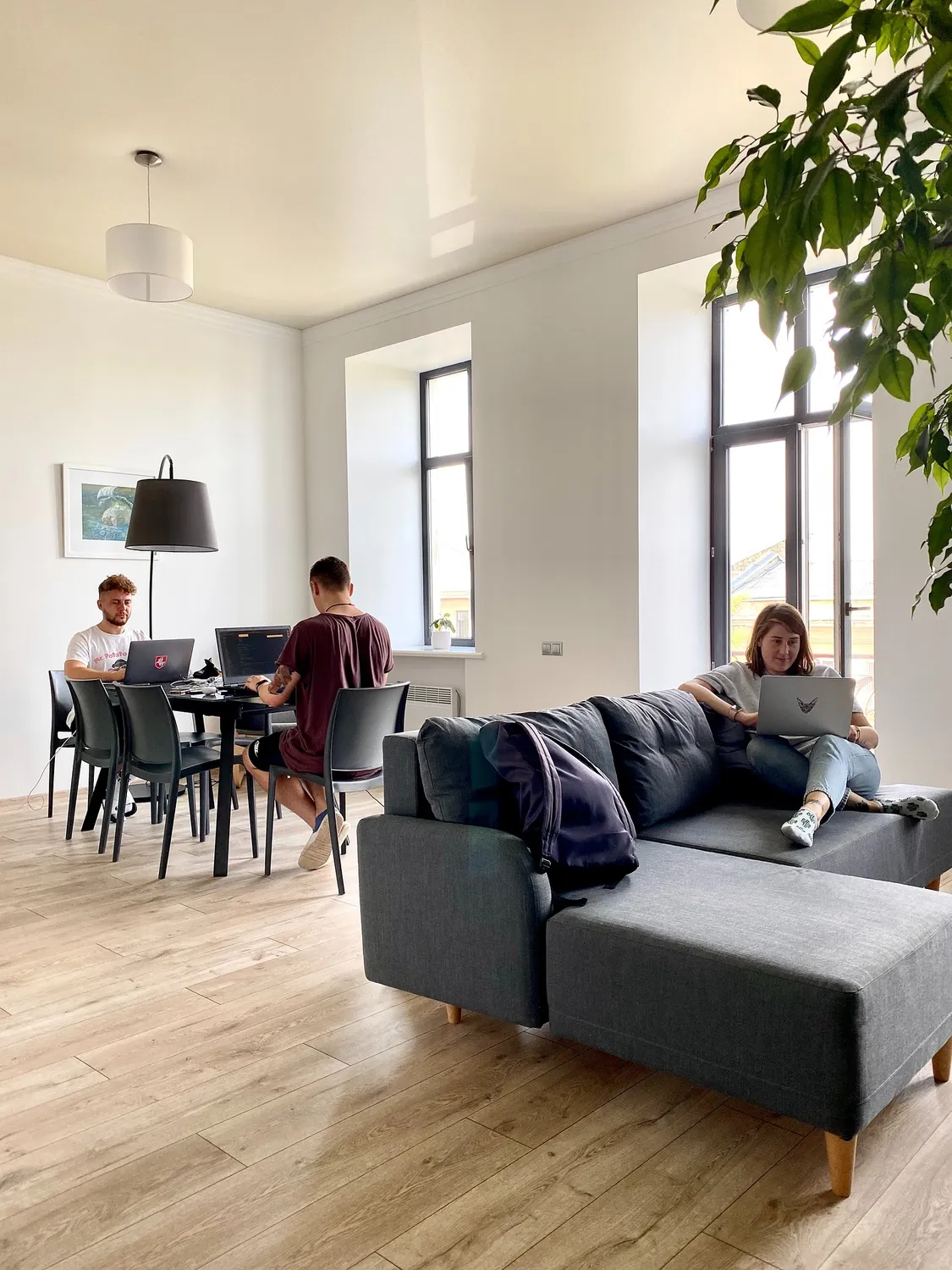
The exact definition of co-living might be confusing, as it is a relatively new take on an old culture. In simple terms, it is a group of people sharing a house, apartment or condo, where they share either the payment of the rent or the purchase price of the property. This has a lot of similarities to university students who band together and get a living space during their college r university years, but is, in recent times, also making its way into normal living styles.
This increasing trend towards co-living has stemmed from various factors:
· The high cost of housing, and the trend toward these prices increasing even further.
· Reduced purchasing power due to high inflationary rates.
· People wanting to live within a community.
· High cost of amenities and utilities.
· Enjoying life with likeminded people.
Benefits of co-living
There are many benefits to adopting to co-living, which include:
· Convenience: Those who opt for co-living, live a simple life, sharing amenities and facilities with others in their group. In addition, things like maintenance, cleaning etc are carried out by a central party who is appointed by the owners r tenants, and hence makes things very convenient and easy for those living there. These types of arrangements are also highly flexible, allowing people to move in and out without much problem.
· Affordability: With increased priced of real estate, more and more people, especially young executives, are finding it extremely difficult to find suitable housing according to their budget. Co-living offers them an opportunity to have a fantastic living space, with their own bedroom and bathroom, plus other shared facilities like living room, kitchen etc, at just a fraction of that cost.
· Helps with loneliness: Most young workers who move out on their own, may feel overwhelmed with work and life stress, and co-living offers them an opportunity to tackle these stressful situations and loneliness because they have many like-minded people with similar interests living within the same premises.
· Sustainability: This model of living arrangement can help greatly with the environmental impacts that real estate has, especially in terms of moving into and occupying wildlife habitats due to the shortage of buildable land.
· Helps with personal and professional development: When you are sharing a living space with others similar to your background, there is a huge potential for both personal and professional development. Sometimes, a group of people working in the same office may opt for co-living, which can be beneficial to everyone concerned.
· Enhance wellbeing: Through community facilitation, you can say that co-living enhances wellbeing, and people feel needed and wanted within their own community. If there is someone who is not following a good lifestyle, this type of living arrangement can nudge them onto a straighter path.
Are there any negative impacts of co-living?
As with everything new, co-living has also sparked some criticism and concerns from world bodies. One of these concerns is that this arrangement is simply a way of increasing density and rental yields, and has nothing to do with the benefits at all. In other criticisms, there is a belief that co-living is greatly linked to the trend of gentrification, which is a process by which poor urban areas are converted by more and more wealthy people moving into that area and improving its housing and commercial environments. In come countries and regions, co-living has even gone to the point of being banned by the authorities.
Whatever your stand is on this new type of living arrangement, there is no doubt about the huge environmental and economical benefits that it has to offer. In fact, many experts see it as the most promising housing trend of the future, especially with housing prices likely to increase many times over in coming years and the availability of buildable land become scarcer by the day.