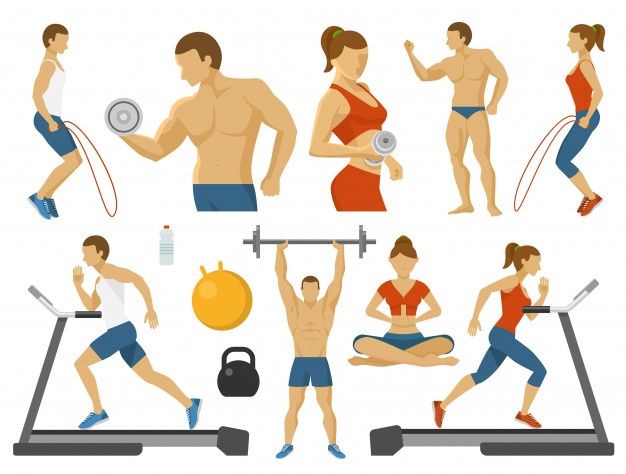
Exercise is a pretty broad term. It could be running, swimming or weight training. It can be indoor or outdoor. It can be formal or informal. As long as you are moving and doing something that gets your muscles and heart pumping, then you're exercising, right?
For some people exercise is a chore they need to do because their doctor told them to, but for others, it's a passion. There are tons of different ways you can get your workout in, but how does exercise improve almost every aspect of your life?
Here are six ways that exercise improves almost every aspect of your life:
1.) Exercise increases positive emotions.
The relationship between exercise and positive emotions has been studied by many researchers and confirmed by many experiments. What we call "feeling good" is a result of brain chemicals that are released when we exercise.
These chemicals increase the concentration of two chemicals in the hippocampus, which is part of the limbic system. These two chemicals influence how we feel. The neurotransmitters norepinephrine and dopamine are responsible for positive emotions. Serotonin is responsible for positive moods and can help with insomnia, depression, and anxiety.
2.) Exercise increases your confidence and self-esteem.
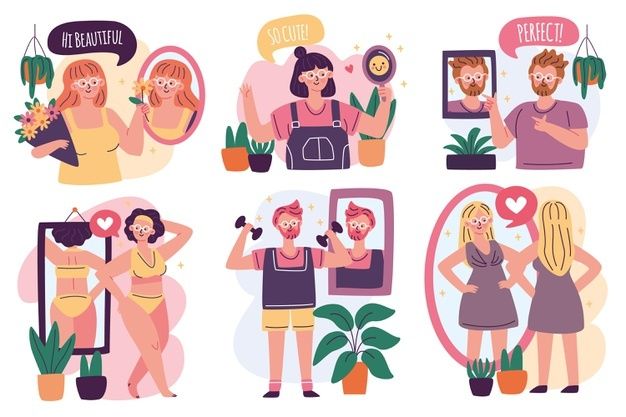
By Excercise, you're showing yourself that you have the discipline and strength of will necessary to accomplish goals – even difficult ones like losing weight or quitting smoking. Your confidence will grow every time you check off an item on your fitness agenda.
Exercise releases endorphins that make you feel happier. It also increases your self-esteem and confidence, because it improves your appearance and makes you feel stronger and healthier. When you exercise regularly, you have more energy, which can help give you the confidence to assert yourself in other areas of your life.
3.) Exercise decreases levels of stress and anxiety.
Stress is an inevitable part of life, and no single strategy can eliminate it. However, regular exercise is an effective way to decrease stress levels and improve overall health.
Treatment for stress should include a combination of healthy eating habits, regular exercise, and the use of relaxation techniques. One study found that exercise was just as effective as cognitive behavioral therapy in treating people with high levels of stress.
Exercise decreases levels of anxiety throughout the body, including in the brain. The hormone released during exercise that leads to this decrease in anxiety is called serotonin. Regular exercise can lead to an increase in serotonin production and in some cases has been shown to effectively treat depression and anxiety disorders.
4.) Exercise helps with insomnia and depression.
There are two forms of depression — people who are depressed and don't exercise much, and people who are depressed and do exercise a lot. The first group may be clinically depressed, but the second group is clinically happy. Exercise releases feel-good hormones that can fight depression and relieve stress.
Whether you're clinically depressed or not, regular exercise can help improve your mood. Studies have shown that it can reduce anxiety, anger, and hostility — all of which can make you unhappy.*
It helps you sleep better. Research shows that regular aerobic exercise can significantly improve the quality of your sleep.* That's important because if you're not sleeping well, you're probably not happy with your life.
Exercise is a powerful antidepressant, and it also reduces anxiety. (It's no accident that sports teams use practice to build morale.) Exercise can improve your sleep and even help you recover from jet lag faster.
5.) Exercise helps you gain more energy throughout the day.
Working up a sweat makes your body stronger so it doesn't have to work as hard to do things like cleanse itself or pump blood throughout your body. What's more, exercise can help keep you alert and awake during the day, which makes it easier to focus on tasks and feel motivated to finish them.
Exercise gives you energy, which can help you put more into your work. Exercise reduces stress, which may make it easier for you to get along with people at work all day.
6.) Exercise helps you live longer, healthier lives.
Many studies have been conducted to determine the effectiveness of exercise on a variety of health issues. While many still debate the exact benefits, it is undeniable that exercise has an impact on a person's life.
Exercise gives a lot of benefits to help you live longer, healthier lives. Some of these benefits we could have guessed at without studying them scientifically: if exercise helped you lose weight, for example, there's a good chance it will reduce your risk for many diseases associated with obesity, like diabetes and heart disease.
Early studies showed clear benefits of exercise in preventing heart disease, but recently it has been discovered that exercise may be an effective treatment for people who already have heart disease. A recent study by a team of doctors at Ohio State University showed dramatic improvements in cardiac patients who exercised vigorously for just 20 minutes three times a week.
The results are perhaps the largest medical study ever done. They show that exercise not only adds years to your life, it also adds life to your years. Exercise reduces the risk of early death from any cause by 19 percent, and the risk of dying from heart disease by 24 percent. That's true even for people who are overweight or have high cholesterol or high blood pressure. Even among these groups, exercise reduces the risk of death from any cause by 10 percent and the risk of death from heart disease by 21 percent.
Conclusion
Trying to get fit can be hard work. But if you stick with it, the benefits are extraordinary—not just in how you look but how you feel, how much energy you have, how long you live. And unlike other strategies for improving your health (like not smoking or eating more vegetables), exercise is fun. You don't have to do it forever to enjoy it. And it doesn't take any extra money to get started: all you need is a little self-discipline to get yourself moving.