Negative Pressure Wound Therapy Palm Coast is an advanced wound-management approach that uses controlled suction to remove excess fluid and support the wound-healing environment. For appropriate patients, this therapy may help manage complex, chronic, traumatic, or surgical wounds. Wound Care St Augustine focuses on individualized wound assessment and professionally guided treatment plans based on each patient's condition.
Understanding Negative Pressure Wound Therapy
Some wounds need more than conventional dressings to progress through the healing process. Chronic wounds, larger injuries, surgical wounds, ulcers, and certain graft-related wounds can require specialized treatment and close monitoring.
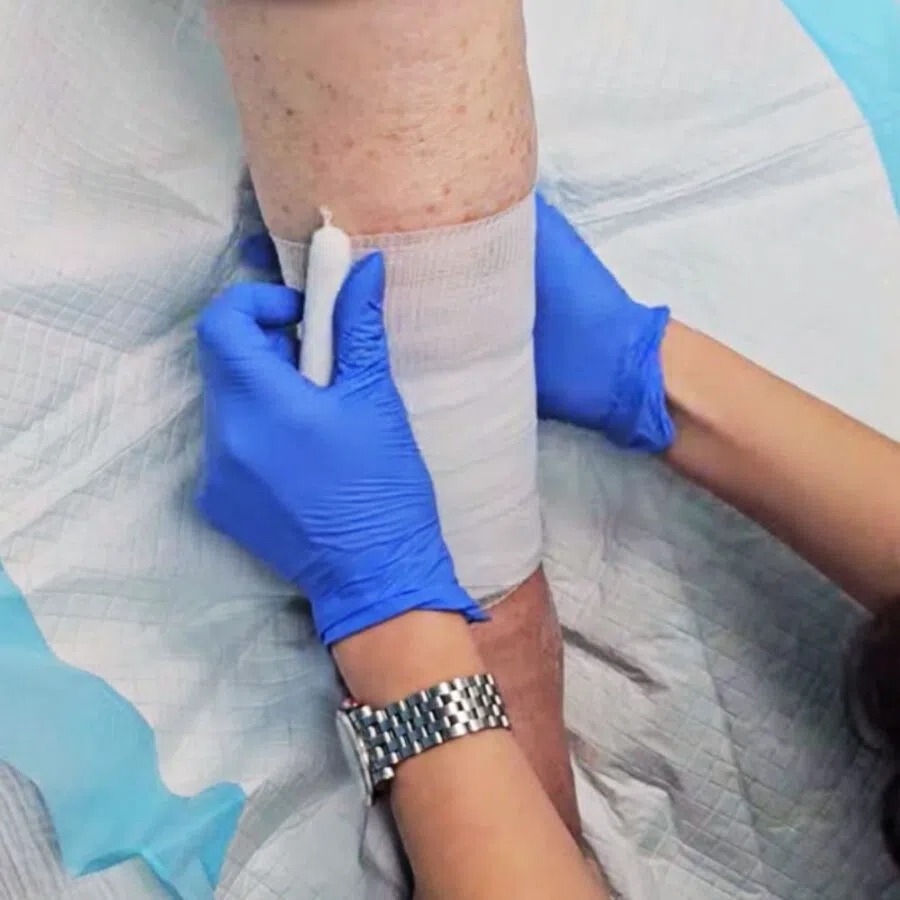
Negative Pressure Wound Therapy Palm Coast, commonly called NPWT or wound-vac therapy, uses controlled negative pressure over a properly dressed wound. A sealed dressing connects to tubing and a suction device that removes fluid from the wound area. Johns Hopkins explains that NPWT may help remove excess fluid, reduce swelling, draw wound edges together, and support the development of new tissue.
For patients considering Negative Pressure Therapy Palm Coast, understanding how the treatment works and when it may be appropriate is an important first step.
How Negative Pressure Therapy Palm Coast Works
NPWT typically involves several components: a specialized foam or gauze dressing, an adhesive sealing layer, tubing, and a vacuum pump. Once the wound is appropriately prepared and sealed, the device creates controlled negative pressure.
The system can continuously or intermittently remove wound fluid into a collection container. The FDA identifies NPWT devices as systems intended for wound management involving the removal of wound exudate and other fluids, with applications that can include wounds, ulcers, burns, flaps, and grafts.
The exact pressure settings, dressing materials, schedule, and duration should be determined by the treating healthcare professional.
Who May Benefit From Negative Pressure Wound Therapy?
Not every wound requires NPWT. A professional wound assessment should determine whether the therapy is appropriate.
Depending on the individual situation, Negative Pressure Wound Therapy Palm Coast may be considered for certain:
Chronic wounds that are slow to heal
Traumatic wounds
Larger or complex wounds
Surgical wounds
Diabetic or pressure-related ulcers
Skin grafts and flaps
Selected wounds with significant drainage
The FDA's current device classification information lists chronic, acute, traumatic, subacute, and dehisced wounds, along with certain burns, ulcers, flaps, and grafts among applications for NPWT devices.
Importantly, suitability depends on the wound and the patient's overall condition. NPWT should be used under appropriate professional supervision.
Potential Benefits of Negative Pressure Therapy Palm Coast
One reason clinicians may consider Negative Pressure Therapy Palm Coast is its ability to manage wound fluid while creating a controlled wound environment.
Potential benefits can include:
Fluid management: The therapy can help remove excess wound drainage through the sealed dressing and collection system.
Support for tissue development: Controlled negative pressure may support granulation tissue formation and other processes involved in wound healing.
Wound-edge support: NPWT can help draw wound edges together in appropriate wounds.
Reduced dressing frequency: Depending on the treatment plan and wound characteristics, dressings may not need to be changed as frequently as some conventional dressings.
These benefits do not guarantee a particular healing outcome. Wound healing depends on many factors, including blood supply, nutrition, infection control, pressure management, and underlying health conditions.
Why Professional Wound Assessment Matters
A successful Negative Pressure Wound Therapy Palm Coast plan starts with a detailed evaluation. Healthcare professionals may consider wound size, depth, drainage, tissue condition, surrounding skin, infection status, blood flow, and the patient's overall health.
Some wound problems should be addressed before NPWT begins. Johns Hopkins notes that infection or dead tissue may need treatment before therapy, and that certain conditions can make NPWT inappropriate.
This is why patients should never attempt to create or modify an NPWT system themselves. The equipment, dressing, pressure level, and treatment schedule require professional direction.
NPWT and Modern Wound Care
Today's wound care increasingly emphasizes individualized treatment rather than using one approach for every patient. A wound may require debridement, specialized dressings, infection management, pressure relief, nutritional support, or other therapies alongside NPWT.
Johns Hopkins describes professional wound care as involving wound measurement and documentation, cleaning or debridement when appropriate, dressing selection, and patient or caregiver education.
This comprehensive approach is important because Negative Pressure Therapy Palm Coast is one component of a broader wound-management strategy—not a standalone cure.
Safety and Monitoring Are Essential
NPWT can be useful, but it is not risk-free. Potential complications can include bleeding, infection, skin irritation, and other wound-related problems. Johns Hopkins recommends careful patient evaluation and appropriate training for patients or caregivers using therapy at home.
Patients should follow their healthcare provider's instructions carefully and report concerning changes promptly. Problems such as increasing pain, fever, significant bleeding, worsening redness, or changes in wound drainage may require medical attention.
Supporting the Body's Natural Healing Process
Advanced technology is only part of successful wound care. The body also needs the right conditions to repair damaged tissue.
Adequate nutrition, appropriate rest, blood-flow management, infection prevention, and following the prescribed wound-care plan can all contribute to recovery. Johns Hopkins notes that poor blood supply can significantly slow wound healing and that smoking can impair the healing process.
For patients receiving Negative Pressure Wound Therapy Palm Coast, following the complete care plan can be just as important as the therapy itself.
Why Choose Wound Care St Augustine?
Wound Care St Augustine understands that complex wounds require careful evaluation and individualized management. Patients considering Negative Pressure Therapy Palm Coast should begin with a professional assessment to determine whether NPWT is appropriate and how it should fit into their overall wound-care strategy.
The objective is not simply to use advanced equipment. It is to select the right treatment for the right wound while monitoring progress and addressing barriers to healing.
Conclusion
Negative Pressure Wound Therapy Palm Coast represents an important option within modern wound management for appropriately selected patients. By applying controlled negative pressure, NPWT can help manage wound fluid and create conditions that may support tissue development and wound closure.
However, Negative Pressure Therapy Palm Coast should always be considered as part of a professionally supervised treatment plan. Proper wound evaluation, infection management, dressing care, nutrition, circulation, and ongoing monitoring all contribute to successful wound management.
For individuals dealing with difficult-to-heal wounds, Wound Care St Augustine can provide the professional perspective needed to understand available treatment options and determine whether advanced wound therapies may be appropriate.