A safety harness is a key piece of personal protective equipment (PPE) designed to keep workers safe when working at heights or in environments where there is a risk of falling. This vital piece of gear plays a significant role in preventing falls, ensuring that workers remain secure and reducing the chances of injury or fatality in hazardous workplaces like construction sites, warehouses, and even during rescue operations.
In this article, we will discuss the importance of safety harnesses, the types available, how to choose the right harness, and essential guidelines for proper use.
Why Safety Harnesses Are Essential
Safety harnesses are critical in reducing the risk of falls, which are a leading cause of workplace injuries and fatalities. Here's why using a safety harness is essential:
1. Protection from Falls
The primary purpose of a safety harness is to protect workers from falling. In high-risk environments, such as construction or maintenance on tall structures, harnesses prevent a worker from falling by securely attaching them to an anchor point.
2. Compliance with Safety Regulations
Safety harnesses are often required by law in various industries. Organizations such as OSHA (Occupational Safety and Health Administration) in the United States mandate the use of fall protection systems, including safety harnesses, in specific environments to ensure the well-being of workers. Using a safety harness helps companies stay compliant with safety standards and avoid costly fines.
3. Minimizing Injury Risk
In the event of a fall, a harness distributes the force of the fall across the body, particularly to the thighs and hips, which are designed to withstand greater pressure than other parts of the body. This helps to minimize injury compared to a fall where the worker isn't secured.
4. Enhanced Worker Confidence and Productivity
When workers are equipped with a reliable safety harness, they feel more confident in their tasks. This confidence can lead to improved productivity as workers are able to focus on the job at hand without being overly concerned about their safety.
Types of Safety Harnesses
There are different types of safety harnesses, each suited to specific work tasks, environments, and hazards. Below are the main types:
1. Full Body Harness
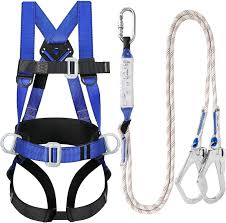
The full-body harness is the most commonly used type of safety harness. It covers the entire torso and secures the worker’s upper body, thighs, and legs with straps. This type of harness is designed for tasks where there is a significant risk of falling from a height, such as construction, climbing, or rescue operations.
Key features of a full-body harness include:
- Shoulder, waist, and leg straps that ensure secure attachment to the body
- D-rings at the back and sometimes the chest for anchoring
- Padding for comfort, especially for long-duration wear
2. Vest Harness
A vest harness is a more lightweight and simple version of a full-body harness. It is commonly used in situations where fall protection is necessary, but full-body protection is not needed. It offers ease of movement and comfort, making it ideal for shorter duration tasks at lower heights.
3. Seat Harness
A seat harness is primarily used for rope access jobs, such as window cleaning or tower maintenance. This type of harness is focused more on providing support for sitting or hanging positions rather than full-body protection. It is ideal for workers who will be in a hanging position for extended periods.
4. Rescue Harness
Rescue harnesses are used by emergency responders, rescue teams, or individuals performing confined space entry. These harnesses often have specialized features, such as extra attachment points or quick-release buckles, to ensure swift and effective rescue operations.
5. Restraint Harness
A restraint harness is designed for situations where the goal is to prevent workers from reaching dangerous areas or falling. While it doesn’t provide as much fall protection as a full-body harness, it restricts movement and limits the worker’s exposure to fall hazards.
How to Choose the Right Safety Harness
Selecting the appropriate safety harness depends on several factors. It is crucial to understand the work environment, task, and the specific risks involved to ensure maximum protection. Here are some key considerations when choosing a safety harness:
1. Type of Work and Environment
Consider the type of work being done. For tasks where workers are working at significant heights, such as construction or roof work, a full-body harness is often required. For less hazardous tasks or rope access work, a vest harness or seat harness may be appropriate.
2. Size and Fit
Proper fit is essential for the harness to provide optimal protection. Harnesses come in various sizes, and it’s critical that the harness fits snugly but comfortably around the torso, waist, and thighs. An ill-fitting harness can be uncomfortable and, worse, ineffective in the event of a fall.
3. Weight Capacity
Each harness is designed to support a certain weight. Be sure to select a harness that can support the weight of the worker, as well as any additional tools or equipment they may be carrying.
4. Material Durability
Harnesses are typically made from materials like nylon or polyester. These materials are durable and resistant to wear, ensuring that the harness can withstand the stresses of regular use, especially in tough environments like construction sites.
5. Compliance with Safety Standards
Ensure that the harness meets the required safety standards set by organizations like ANSI (American National Standards Institute), EN (European Norm), or OSHA. These standards provide guidelines for harness design, durability, and performance in preventing injuries.
How to Use a Safety Harness Properly
Using a safety harness correctly is crucial to its effectiveness. Here are some guidelines to ensure proper use:
1. Inspect the Harness Before Use
Before every use, thoroughly inspect the harness for any signs of wear or damage. Look for:
- Frayed or torn straps
- Rusted or damaged D-rings
- Broken buckles or attachments
If any part of the harness is damaged, do not use it. Replace it immediately to avoid compromising safety.
2. Ensure Proper Fit
The harness should fit snugly around the torso and thighs. You should be able to adjust the straps to ensure a secure fit, but they should not be too tight or too loose. If the harness is too loose, it won't provide adequate fall protection, and if it's too tight, it may cause discomfort and restrict movement.
3. Attach to a Secure Anchor Point
When using the harness, ensure that it is attached to a stable, secure anchor point. The D-ring on the back of the harness is typically used for fall protection. Be sure to check the anchor point for strength and stability before relying on it.
4. Avoid Swinging
When working at height, try to avoid swinging or jerking movements while attached to the harness. These movements can cause unnecessary strain on the body and may reduce the effectiveness of the harness in preventing injury.
5. Training and Education
Ensure that all workers are properly trained in how to use a safety harness, including how to inspect, wear, and attach it securely. Proper training ensures that workers understand the importance of the harness and how to maximize its safety benefits.
Conclusion
Safety harnesses are a vital piece of equipment in protecting workers from falls in hazardous environments. Whether working on construction sites, during maintenance operations, or in rescue situations, a safety harness ensures that workers remain secure and protected. By choosing the right harness, inspecting it regularly, and ensuring proper use, businesses can significantly reduce the risk of fall-related injuries and create a safer workplace for everyone. Always prioritize safety and compliance to ensure a productive and secure work environment.