Quick Overview
Have you ever wondered, “Is now the right time for a service dog?”
Or maybe you’ve thought about whether a service dog goldendoodle could actually help improve daily life?
Many families searching for goldendoodles ask this question when they start noticing challenges with emotional, physical, or mental health needs. A service dog Goldendoodle is not just a pet. It is a trained support animal that helps with tasks, comfort, and stability. But timing matters. Getting a service dog is not about impulse. It is about readiness, need, and long-term commitment. The right time depends on how much support a person needs in daily life and whether they are ready for the responsibility of working with a trained dog.
Table of Contents
- What a Service Dog Goldendoodle Really Means
- Signs You May Need One
- Emotional and Medical Support Needs
- When Daily Life Starts Feeling Hard
- Timing the Training Process
- Responsibilities Before Getting One
- Closing Thoughts
- FAQs
What a Service Dog Goldendoodle Really Means
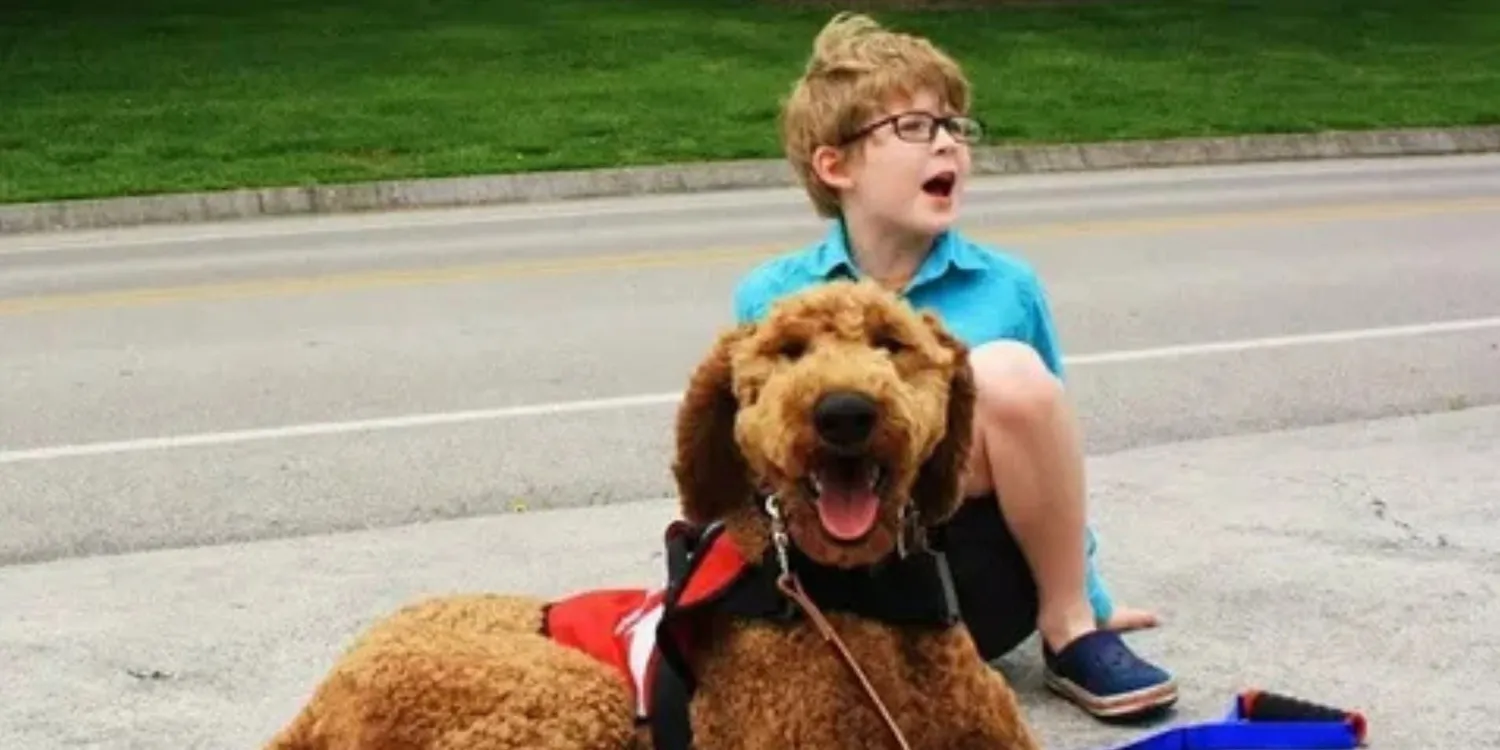
A service dog is not just a companion.
It is a working dog.
It is trained to help with specific needs like anxiety support, mobility assistance, or emotional regulation.
Goldendoodles are often chosen because they are intelligent, gentle, and easy to train. Their calm nature helps them adapt to structured work.
But it is important to understand this clearly; not every dog becomes a service dog. Only some go through the right training path.
Signs You May Need One
So how does someone know it might be time?
It usually starts with daily struggles.
Things like:
- Feeling overwhelmed in public spaces
- Difficulty managing anxiety or panic episodes
- Trouble staying grounded during emotional stress
- Needing support for physical tasks or routine stability
When these challenges start affecting normal life, people often begin exploring service dog options.
A service dog is not a “quick fix.” It is long-term support.
Emotional and Medical Support Needs
Doctors and therapists often play a role in this decision.
They may suggest a service dog when other coping tools are not enough.
For example:
Someone with severe anxiety may still struggle even after therapy.
Or a person with mobility issues may need physical support during daily movement.
In these cases, a service dog can help bridge the gap between independence and support.
But professional guidance is important before making a decision.
When Daily Life Starts Feeling Hard
One clear sign is when daily routines become difficult to manage alone.
Not just occasionally.
But regularly.
Things like:
- Leaving the house feels stressful
- Simple tasks feel exhausting
- Emotional control feels unpredictable
When life starts feeling like this most days, not just sometimes, people often start considering service dog support more seriously.
A service dog is meant to make life more manageable again.
Not add pressure.
Timing the Training Process
Getting a service dog is not instant.
It takes time.
Training can take months or even longer depending on needs.
That is why timing matters.
If someone is in a very unstable or changing life situation, it may not be the right time yet.
A stable routine helps the dog learn better and helps the handler adjust too.
Both need time to grow together.
That is often overlooked.
Responsibilities Before Getting One
A service dog is not only support.
It is responsibility.
Before getting one, a person should be ready for:
- Daily care and attention
- Consistent routines
- Training reinforcement
- Emotional commitment
It is a working relationship, not just ownership.
The dog depends on the handler just as much as the handler depends on the dog.
That balance is important.
Closing Thoughts
A service dog Goldendoodle can be life-changing, but timing is everything. It should come after understanding personal needs, consulting professionals, and preparing for the responsibility that comes with it. When chosen at the right time, it can bring stability, comfort, and support in daily life.
For families exploring San Diego goldendoodles, it helps to work with breeders who understand temperament and early development, since these factors matter in future service training potential.
Windsong Doodles, LLC, a Goldendoodle breeder in Southern California, focuses on raising well-socialized puppies with strong foundations in temperament and early care. Families interested in learning more about Goldendoodle puppies suited for future service training potential can reach out for additional details.
FAQs
1. When is the right time to get a service dog Goldendoodle?
The right time is when daily life becomes difficult to manage due to emotional, physical, or medical challenges, and professional guidance supports the need.
2. Does every Goldendoodle become a service dog?
No. Only some Goldendoodles are trained for service work based on temperament, behavior, and training suitability.
3. How long does service dog training take?
It can take several months to over a year depending on the tasks the dog is being trained for.
4. Do I need a doctor’s recommendation?
In many cases, yes. Medical or mental health professionals often help determine if a service dog is appropriate.
5. Are service dogs only for physical disabilities?
No. They can also support emotional, psychiatric, or anxiety-related conditions.
6. Is a service dog the same as an emotional support dog?
No. Service dogs are trained to perform specific tasks, while emotional support dogs provide comfort without formal task training.
Author Bio
This article is written by a pet care content specialist focused on service dog education, breed understanding, and responsible guidance for families exploring support animals.
Business Details
Windsong Doodles, LLC
Goldendoodle Breeder in Southern California
Website: windsongdoodles.com