In high-volume manufacturing, everyday operations require balancing speed, quality, safety, and production costs. Relying on outdated manual wiping introduces heavy labor costs, production delays, and uneven quality to your plant floor.
Upgrading to automated moisture removal equipment changes your operations completely. Let us look at the major industrial parts drying methods that modern systems bring to your production floor.
Mechanical Air Displacement and Centrifugal Methods of Industrial Parts Drying
High-Velocity Air Knife Systems
This method uses heavy-duty centrifugal blowers connected to specialized air knife plenums. The system forces a continuous sheet of high-velocity air onto parts, physically stripping water droplets from flat and curved surfaces without high heat.
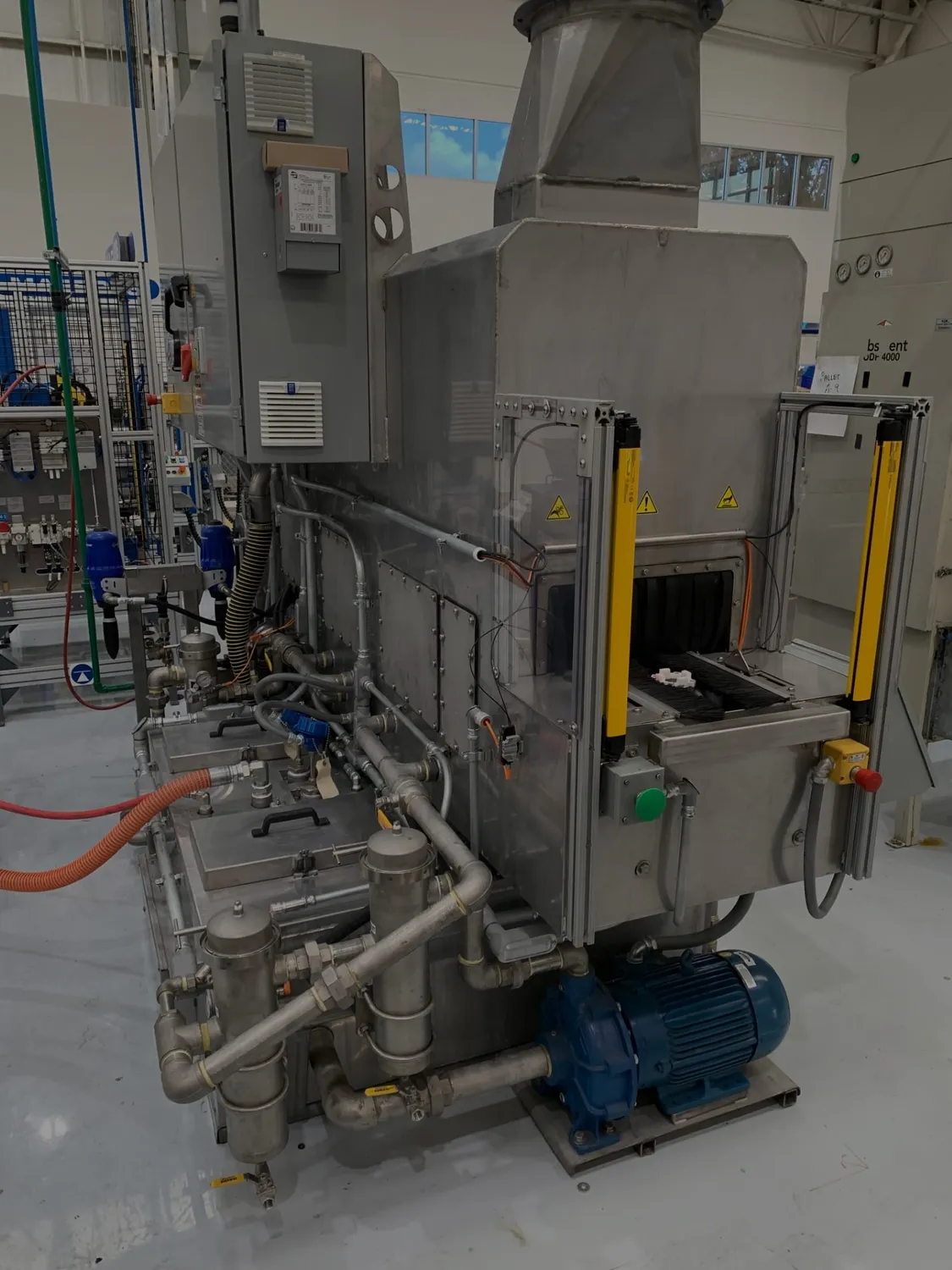
The production sequence transitions smoothly from manual part loading directly into high-pressure cleaning, followed by a thorough rinsing stage, localized air drying, and direct delivery to assembly crews.
Centrifugal Spin Systems for Bulk Parts
For bulk components like fasteners, small stampings, and fittings, centrifugal spin systems are highly effective. The machinery spins a perforated basket at high speeds, using centrifugal force to throw water outward off the parts.
Thermal and Evaporative Methods of Industrial Parts Drying
Convection Drying Chambers
Convection systems utilize electric or gas heaters coupled with high-volume fans to circulate hot air around components. The moving heated air transfers thermal energy into the metal, accelerating natural evaporation across all exposed surfaces.
- Convection Chambers: Circulates high-volume heated air to dry parts evenly.
- Infrared Elements: Transmits direct radiant energy to heat heavy parts rapidly.
- Vacuum Dryers: Drops internal pressure to boil away moisture at low temperatures.
Radiant Infrared Drying Methods
Infrared systems use targeted light waves to transfer radiant energy directly into the metal substrate. This rapid energy transfer heats the component from within, driving surface moisture off quickly and saving valuable floor space.
Advanced Vacuum and Specialty Methods of Industrial Parts Drying
Low-Temperature Vacuum Dryers
Vacuum systems place components inside a sealed chamber and pump out the air. Dropping the pressure causes remaining water to boil and vaporize at room temperature, making it ideal for sensitive or highly intricate parts.
Absorptive and Capillary Methods
Specialty systems use super-heated flash steam or specialized porous materials to pull moisture away from sensitive surfaces. These niche systems are typically reserved for specialized medical and cleanroom stampings.
Selecting Inline Cleaning Systems for Advanced Methods of Industrial Parts Drying
Over Four Decades of Engineering Excellence
Inline Cleaning Systems has manufactured rugged, custom automated washers and dryers from Lafayette, Indiana since 1980. Their long history ensures your system is engineered to withstand demanding, multi-shift industrial use.
"Investing in high-grade American manufacturing ensures long-term operational durability and readily available engineering support."
Full In-House Engineering and Turnkey Automation
From precision water jet cutting and welding to smart PLC programming, they manage everything in-house. Their tailored solutions help Tier 1 suppliers maximize line efficiency while reducing water and energy bills across all industrial parts drying setups.
Conclusion
Switching to automated moisture removal delivers clear benefits, including faster output, lower operating costs, and a safer workplace. These systems eliminate production bottlenecks while protecting your workforce from physical strain. Partnering with Inline Cleaning Systems provides your business with custom, American-made machinery engineered to boost long-term floor efficiency.