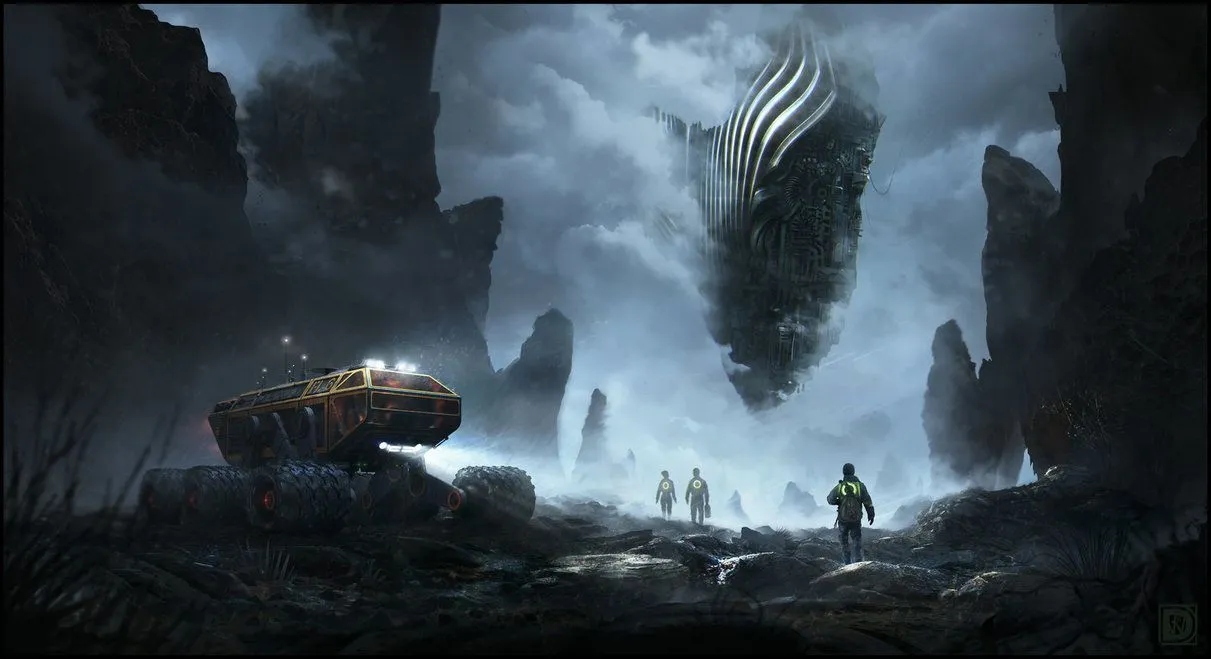
Science fiction, with its boundless imagination, has always been a genre that pushes the boundaries of reality. It transports us to fantastical worlds brimming with advanced technology, alien encounters, and societies that challenge our understanding of humanity. Yet, nestled amidst spaceships and dystopian landscapes lies a potent weapon: satire.
Satire in science fiction isn't just about cheap laughs; it's a scalpel that dissects societal flaws and absurdities. By magnifying these issues through the lens of the fantastical, science fiction writers offer a scathing yet humorous commentary on the present. This satirical lens allows readers to see themselves and their world reflected back, often in a distorted and exaggerated way, prompting them to question their actions and contemplate the potential consequences of current trends.
Satire's Sharpened Tools: Common Techniques
Science fiction satirists employ a variety of tools to deliver their message:
- Dystopian Exaggeration: Imagine a world overrun by consumerism, bureaucracy, or environmental devastation. Works like Aldous Huxley's Brave New World and Sinclair Lewis' It Can't Happen Here paint such dystopian futures, using exaggeration to expose the dangers of unchecked societal trends.
- The Absurd Bureaucracy: Science fiction satirists often target bureaucracy. Douglas Adams' The Hitchhiker's Guide to the Galaxy features the Vogons, a race notorious for their soul-crushing bureaucracy, highlighting the absurdity of excessive red tape.
- The Corporate Takeover: The ever-growing influence of corporations in our lives becomes fodder for satire. In Terry Gilliam's film Brazil, corporations control every aspect of life, serving as a chilling commentary on corporate dominance.
Satire's Targets: A Hall of Mirrors for Society
Satire in science fiction often takes aim at specific societal issues:
- Consumerism: The relentless pursuit of material possessions is a frequent target. In Kurt Vonnegut's Player Piano, a society obsessed with material wealth creates a vast underclass, prompting reflection on consumerist values.
- War and Militarism: Science fiction satirizes the absurdity and brutality of war. In Robert Heinlein's Starship Troopers, a militaristic society brainwashes its citizens into glorifying war, showcasing the dangers of unchecked militarism.
- Social Inequality: The widening gap between the rich and the poor is a recurring theme. In Elysium by Neill Blomkamp, the wealthy live in a luxurious space station while the poor toil on a ravaged Earth, highlighting the consequences of unchecked social inequality.
The Power of Laughter: Satire's Enduring Impact
The beauty of satire lies in its ability to deliver a powerful message through humor. By making us laugh, science fiction satirists disarm us and make us more receptive to criticism. This element of amusement makes complex social issues more approachable and ignites conversations that might otherwise be avoided.
Satire in science fiction can have a lasting impact:
- Raising Awareness: Humor can be a powerful tool for raising awareness about pressing social issues. Satirical narratives can spark discussions and inspire action to address these issues.
- Shifting Perspectives: By presenting an exaggerated version of reality, science fiction satire encourages us to see the world from a different perspective, prompting us to question our assumptions and biases.
- Inspiring Change: Satire's laughter can be a catalyst for change. By exposing societal flaws in a humorous way, science fiction can motivate readers to work towards a better future.
Looking Beyond the Laugh: Satire's Nuances
However, satire in science fiction isn't without its complexities:
- Balancing Humor and Message: Striking a balance between humor and social commentary is crucial. Overly simplistic humor can undermine the message, while excessive focus on the serious message can diminish the entertainment value.
- The Risk of Misinterpretation: Satire relies on understanding the context and the author's intent. Readers might misinterpret the message, especially if the satire is too subtle or too broad.
- The Challenge of Time: Satire that targets specific trends or events can become less impactful over time as societal concerns evolve.
Science Fiction's Enduring Voice
Satire remains a vital element in science fiction's arsenal. By offering a humorous yet thought-provoking critique of our world, it allows us to laugh at ourselves, grapple with complex issues, and ultimately strive for a better future. It reminds us that science fiction isn't just about spaceships and aliens; it's a powerful tool for holding up a mirror to society and prompting us to question the path we're on. So, the next time you delve into a science fiction world, pay attention to the satirical elements. You might just find yourself laughing while contemplating the future of humanity.
Conclusion:
In conclusion, satire in science fiction serves as a potent weapon, wielding humor to dissect societal flaws and absurdities. By reflecting our world in a distorted yet entertaining way, it compels readers to confront uncomfortable truths and envision the potential consequences of present trends. From dystopian exaggerations to the absurdity of bureaucracy, science fiction satire targets a wide range of societal issues, from rampant consumerism to social inequality.
The laughter sparked by satire isn't just for amusement; it serves a higher purpose. It disarms us, making us receptive to criticism and fostering crucial conversations about pressing social matters. Satire can raise awareness, shift perspectives, and even inspire change, pushing us towards a brighter future.