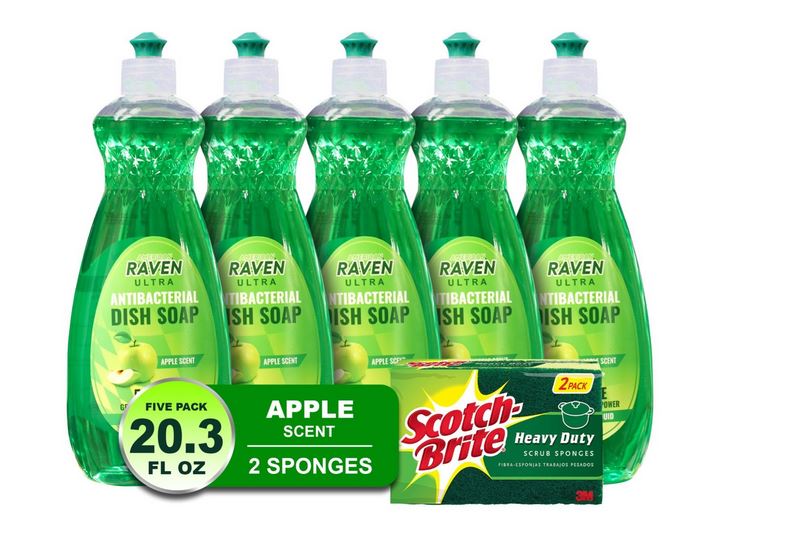
Dish soap, a seemingly mundane household item, is an unsung hero in the kitchen. It tackles the aftermath of every meal, transforming greasy plates and crusted pots into sparkling clean dishes. But what's the magic behind this everyday essential? The answer lies in the fascinating science of surfactants.
The Science Behind the Suds
Surfactants are the key players in dish soap. These amphiphilic molecules possess a unique double nature. One end, the "head," loves water, while the other end, the "tail," is drawn to oil and grease. This characteristic allows surfactants to act as bridges between water and grease. When dish soap interacts with water, the surfactant molecules arrange themselves with the heads facing the water and the tails facing outwards. This creates a microscopic environment where grease particles are attracted to the tails and become suspended in the water, allowing them to be easily rinsed away.
Beyond the Basics: Specialized Dish Soaps
While basic dish soap effectively tackles most cleaning tasks, various types cater to specific needs. For everyday use, liquid dish soap is the most popular choice due to its versatility and ease of use. It often includes additional ingredients like builders, which soften hard water minerals, and enzymes, which break down proteins and starches for a more thorough clean.
Concentrated dish soaps offer an economical option, requiring less product per wash. Gel dish soaps are known for their gentleness on hands, while antibacterial dish soaps are ideal for heavily soiled dishes.
Choosing the Right Dish Soap: It's Not Just About Grease-Fighting Power
While grease-cutting power is crucial, other factors come into play when selecting dish soap. Consider the following:
- Scent: Opt for a scent that is pleasant and doesn't linger on dishes.
- Eco-Friendly Options: Look for dish soaps made with plant-based ingredients and biodegradable formulas.
- Moisturizing Ingredients: Frequent handwashing can dry out hands. Choose a dish soap that contains ingredients like aloe vera or glycerin to help combat dryness.
By understanding the science behind dish soap and considering your individual needs, you can select the perfect formula for your kitchen.
Conclusion
Dish soap, a simple kitchen essential, is a marvel of science. With its powerful surfactants and variety of formulations, it tackles even the toughest messes, leaving your dishes clean and ready for the next meal. So, the next time you reach for that bottle of dish soap, take a moment to appreciate the scientific marvel that silently transforms your greasy kitchen into a sparkling clean haven.