A flourishing garden is a joy to behold, bursting with vibrant colors and the sweet fragrance of blooms. But keeping your plants thriving requires proper watering, and with water scarcity becoming a growing concern, choosing the most efficient irrigation method is crucial. Two primary contenders in the garden watering game are drip irrigation and lawn sprinklers. Let's delve into the pros and cons of each system to help you decide which one reigns supreme for your garden paradise.
The Allure of Drip Irrigation: Precise Hydration at the Root Zone
Drip irrigation, also known as micro-irrigation, is a targeted watering approach that delivers water directly to the root zone of plants through a network of emitters, bubblers, or drippers. These components are strategically placed at the base of each plant or along plant rows. Here's what makes drip irrigation a champion of water conservation:
- Reduced Water Waste: Drip irrigation eliminates overspray and minimizes evaporation, as water reaches the soil directly. This targeted approach can save up to 50-70% of water compared to traditional sprinklers, especially beneficial in arid regions.
- Nutrient Delivery: Drip systems can be easily integrated with fertilizer injectors, allowing for controlled delivery of nutrients directly to the roots, maximizing plant uptake and minimizing runoff.
- Promotes Healthy Root Growth: By delivering water slowly and directly to the root zone, drip irrigation encourages deeper root development. This makes plants more resilient to drought and heat stress.
- Weed Control: Since drip irrigation focuses water delivery on plant bases, less water reaches surrounding areas where weeds thrive. This translates to less weeding and a more manageable garden.
- Versatility: Drip irrigation is well-suited for various garden layouts, from raised beds and rows to container plantings, making it a flexible solution for any garden design.
Limitations of Drip Irrigation: Not a One-Size-Fits-All Solution
While drip irrigation boasts impressive water-saving capabilities, it's not without its limitations:
- Initial Investment: Setting up a drip irrigation system can be more expensive upfront compared to a simple sprinkler system. However, the long-term water savings can offset the initial cost.
- Clogging: Drip emitters can become clogged with mineral deposits or debris over time, requiring regular maintenance to ensure proper water flow.
- Pressure Requirements: Drip systems typically operate at lower water pressure compared to sprinklers. Ensure your water pressure is compatible with the chosen drip system.
- Limited Area Coverage: Drip irrigation is best suited for targeted watering of individual plants or rows. It's not ideal for watering large, open areas like lawns.
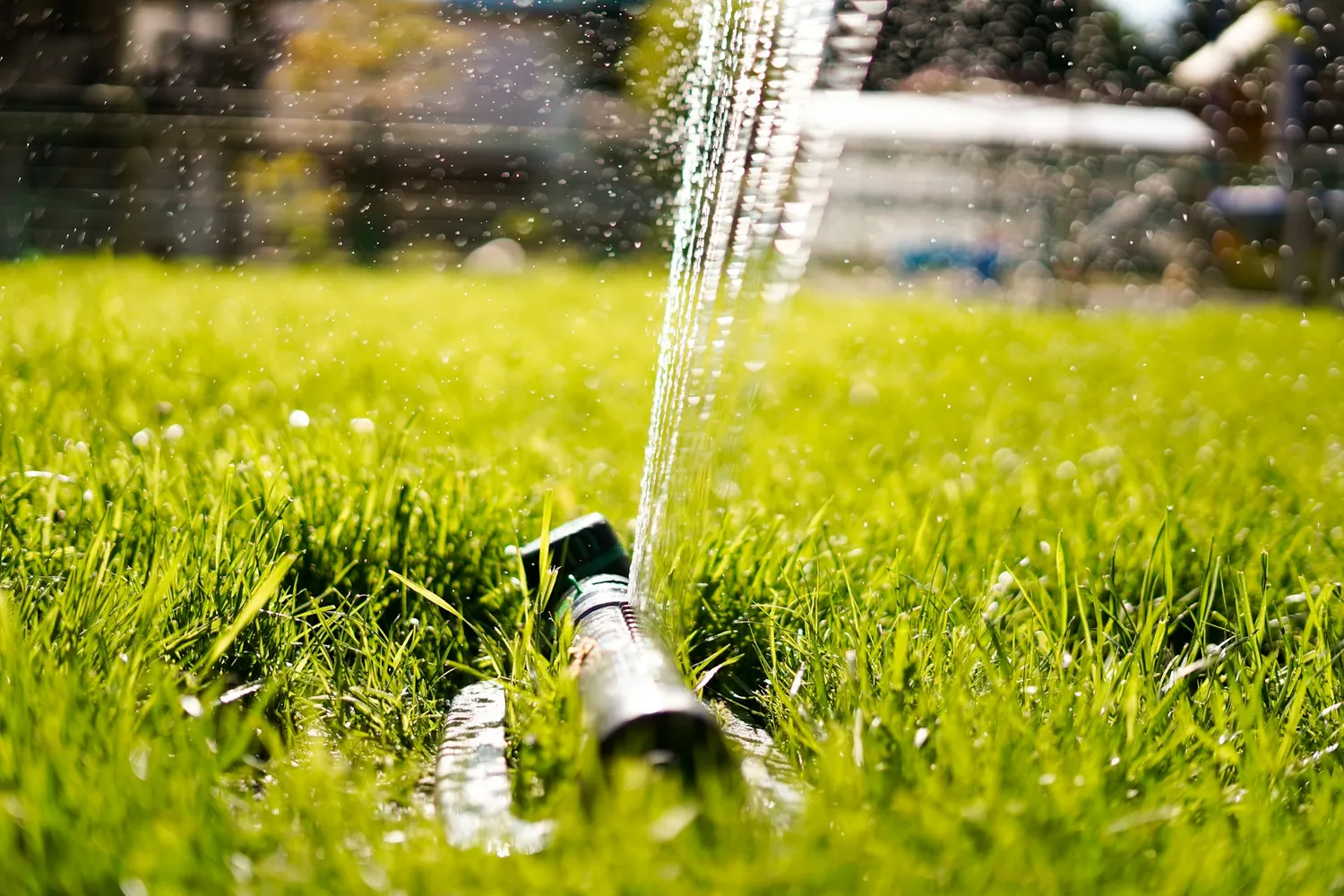
The Familiar Friend: Lawn Sprinklers - Convenience with Caveats
Lawn sprinklers have been a mainstay in garden watering for decades. They offer a simple and familiar method for keeping your plants hydrated:
- Ease of Use: Setting up and operating a sprinkler system is generally straightforward. Most systems utilize timers for automated watering, simplifying the process.
- Large Area Coverage: Sprinklers are ideal for watering expansive lawns or gardens where even distribution of water is desired.
- Cost-Effective: Sprinkler systems are typically less expensive to install upfront compared to drip irrigation.
The Downside of Sprinklers: Water Waste and Uneven Distribution
While sprinklers offer convenience, they come with some drawbacks regarding water conservation:
- Water Waste: Sprinklers often spray water beyond the intended area, leading to overspray onto walkways, patios, and even neighboring properties. This translates to significant water waste, especially in windy conditions.
- Uneven Distribution: Sprinklers may not distribute water evenly across the entire area, leading to some areas receiving too much water while others remain dry. This can be particularly problematic for plants with varying water needs.
- Evaporation: Sprinkler systems deliver water through the air, making it susceptible to evaporation, especially during hot and windy days. This leads to a significant loss of valuable water resource.
- Fungus and Disease Risk: Overhead watering from sprinklers can leave foliage wet for extended periods, creating favorable conditions for fungal diseases.
Choosing the Right Watering System: Your Garden's Needs Take Center Stage
Now that you understand the strengths and weaknesses of both drip irrigation and lawn sprinklers, let's explore which system is ideal for your garden:
- Garden Size and Layout: For small or irregularly shaped gardens with diverse plant types, drip irrigation reigns supreme. Sprinklers are better suited for large, open areas with uniform landscaping.
- Plant Needs: Drip irrigation is ideal for gardens with plants requiring varying water needs, as it allows for targeted watering. Sprinklers are less adaptable in this regard.
- Water Conservation: If water conservation is a top priority, drip irrigation is the undisputed champion. It minimizes waste and promotes efficient water use.
- Budget: If budget is a major concern, sprinklers may be the more attractive option upfront. However, the long-term water savings of drip irrigation can outweigh the initial cost.
- Your Time: Both systems can be automated, but drip irrigation may require slightly more maintenance due to potential clogging of emitters.
Beyond the Binary: Combining Systems for a Winning Strategy
In some cases, the best solution might be a hybrid approach. Here's how you can combine drip irrigation and sprinklers for optimal results:
- Drip for Plants, Sprinklers for Lawns: If your garden has a dedicated lawn area, utilize sprinklers for efficient lawn coverage. For flower beds, vegetable gardens, or container plantings, employ drip irrigation for targeted watering.
- Zone Your Irrigation System: Divide your garden into zones based on plant types and water needs. This allows you to tailor watering schedules and systems for each zone.
Final Touches for Efficient Watering, Regardless of the System
Here are some additional tips to ensure efficient watering, irrespective of the system you choose:
- Water Early in the Morning: Watering during the cooler morning hours minimizes evaporation and allows for better water absorption by the soil.
- Adjust Watering Based on Season: Plants require less water during cooler months. Monitor weather patterns and adjust watering schedules accordingly.
- Consider Your Soil Type: Sandy soils drain quickly and require more frequent watering compared to clay soils.
- Mulch Your Garden Beds: A layer of mulch around your plants retains moisture in the soil, reducing the need for frequent watering and suppressing weed growth.
Embrace Water-Wise Practices for a Thriving Garden
By understanding the distinct advantages and limitations of drip irrigation and lawn sprinklers, you can make an informed decision that aligns with your garden's specific needs and your commitment to water conservation. Remember, a healthy garden doesn't need to be a water guzzler. By adopting efficient irrigation practices and incorporating water-saving tips, you can create a flourishing oasis while minimizing your environmental impact. So, get out there, choose the right watering method for your garden, and watch your plants thrive!