For centuries, ruby has dominated the colored gemstone market as the undisputed king of red stones, commanding premium prices and capturing the attention of collectors worldwide. This traditional hierarchy, established through historical precedent and cultural significance, positioned ruby alongside diamond, emerald, and sapphire as one of the "Big Four" precious stones.
However, the contemporary gemstone market has witnessed a remarkable shift. Premium spinel specimens now regularly achieve prices that exceed comparable rubies of similar size and quality. This price reversal represents a fundamental change in market dynamics, driven by a confluence of geological rarity, increased market recognition, and evolving collector preferences.
The factors behind spinel's ascendancy include the extreme scarcity of exceptional material from legendary deposits, growing awareness of spinel's superior characteristics, and strategic market positioning that has elevated its status from "ruby substitute" to coveted gemstone in its own right.
The Rarity Factor: Exceptional Spinel Sources vs. Ruby Abundance
The geological reality behind spinel's price surge lies in the stark contrast between spinel's limited sources and ruby's more diverse global production. While ruby deposits exist across multiple continents, premium spinel material originates from only a handful of exceptional localities.
Key scarcity factors driving spinel prices:
- Mahenge Plateau depletion - Tanzania's legendary Mahenge deposit, discovered in 2007, produced the world's finest pink and red spinels before reaching near-exhaustion within a decade
- Mogok's finite production - Myanmar's historic Mogok Valley yields exceptional spinel alongside ruby, but quantities remain severely limited compared to ruby output
- Cobalt spinel phenomenon - Vivid blue cobalt-bearing spinels from Vietnam and Tanzania represent some of the rarest colored stones in existence, with significant specimens numbering in the hundreds globally
- Size constraints - Large, clean spinels above 5 carats are exponentially rarer than comparable rubies due to spinel's crystal formation characteristics
In contrast, ruby production continues from established sources in Myanmar, Madagascar, Mozambique, Sri Lanka, and Thailand, providing a steady supply that maintains relative market stability. This fundamental supply imbalance has created a collector frenzy around exceptional spinel specimens, particularly those from depleted or finite sources.
Market Recognition and Collector Demand
The gemological community's enhanced understanding of spinel has fundamentally altered market perception. Educational initiatives by major gemological institutes have highlighted spinel's exceptional optical properties and durability, dispelling decades of misconceptions about this historically undervalued gemstone. Professional gemologists now recognize spinel's 8 Mohs hardness, brilliant luster, and absence of pleochroism as superior characteristics for jewelry applications.
Market insight: Sophisticated collectors increasingly view spinel as an opportunity to acquire museum-quality specimens before widespread market recognition drives prices beyond reach.
Contemporary collector psychology has shifted toward identifying undervalued gemstones with significant appreciation potential. This trend has created substantial demand for investment-grade spinel specimens, particularly those from historic localities like Mahenge and Mogok. Portfolio diversification strategies now include exceptional colored stones as alternative investments, with top-tier spinel commanding attention from serious collectors seeking alternatives to traditional ruby, emerald, and sapphire.
High-profile auction results have accelerated market awareness. Notable sales at major auction houses have established price benchmarks that validate spinel's premium positioning. Connoisseur buyers, seeking distinction from conventional gemstone choices, have embraced spinel's rarity and beauty as markers of sophisticated taste and gemological knowledge.
Quality and Characteristics Premium
Spinel's natural qualities provide distinct advantages over ruby in several critical areas. Most significantly, spinel requires minimal treatment compared to ruby, where heat treatment is standard industry practice. The majority of fine spinels reach the market in their natural state, offering collectors the assurance of unenhanced beauty that commands premium pricing.
Professional observation: The finest spinel specimens exhibit exceptional transparency and brilliance that often surpasses heat-treated rubies of comparable size and color intensity.
Color saturation represents another area where spinel excels. The most exceptional specimens display vivid, pure hues without the secondary color modifiers commonly found in ruby. Mahenge spinels, in particular, demonstrate color intensity that rivals the finest Burmese rubies while maintaining superior clarity characteristics.
Durability factors contribute significantly to spinel's premium positioning. With hardness of 8 on the Mohs scale and excellent toughness, spinel provides superior wearability compared to emerald and approaches ruby's durability standards. However, size availability remains a limiting factor, as spinel's crystal structure produces fewer large, clean specimens than ruby deposits, creating substantial premiums for stones exceeding 3-5 carats.
Market Dynamics and Future Outlook
Current supply constraints from principal spinel localities create a fundamentally different market dynamic compared to ruby. Production from Mahenge has virtually ceased, while Mogok yields remain sporadic and unpredictable. Vietnamese cobalt spinel discoveries have slowed significantly since the initial finds in 2017-2018, establishing a supply-demand imbalance that supports sustained price appreciation.
Market reality: Established dealers have repositioned spinel from secondary gemstone to luxury collectible, implementing pricing strategies that reflect genuine scarcity rather than historical market positioning.
Investment potential appears robust given the finite nature of known deposits and growing collector recognition. However, market sustainability depends on continued supply constraints and sustained collector interest. The possibility of new discoveries or synthetic alternatives could impact long-term pricing, though current geological assessments suggest limited potential for significant new natural sources.
Spinel has successfully transitioned from ruby alternative to legitimate competitor, establishing its own market segment distinct from traditional colored stone categories. This evolution represents a permanent shift in gemstone hierarchy rather than temporary market fluctuation.
Conclusion
The contemporary gemstone market has witnessed spinel's remarkable transformation from historical substitute to premium collectible commanding prices that exceed comparable rubies. This shift reflects fundamental changes in supply availability, market education, and collector preferences that have permanently altered traditional gemstone hierarchies.
The convergence of geological scarcity, superior natural characteristics, and strategic market positioning has established spinel as a legitimate luxury gemstone category. Current price levels reflect genuine rarity rather than speculative enthusiasm, supported by finite supply from depleted historic localities.
For serious collectors and investors, exceptional spinel specimens represent opportunities to acquire museum-quality material from legendary sources before widespread market recognition renders such stones prohibitively expensive. The market dynamics suggest spinel's elevated status represents a permanent evolution rather than temporary trend.
Understanding Spinel's Market Ascendancy
The price reversal documented in this analysis reflects fundamental shifts in collector recognition and supply dynamics that savvy gemstone enthusiasts can leverage for strategic acquisitions. Understanding the geological rarity and superior characteristics that drive spinel's premium positioning enables informed decisions when evaluating exceptional specimens from legendary localities.
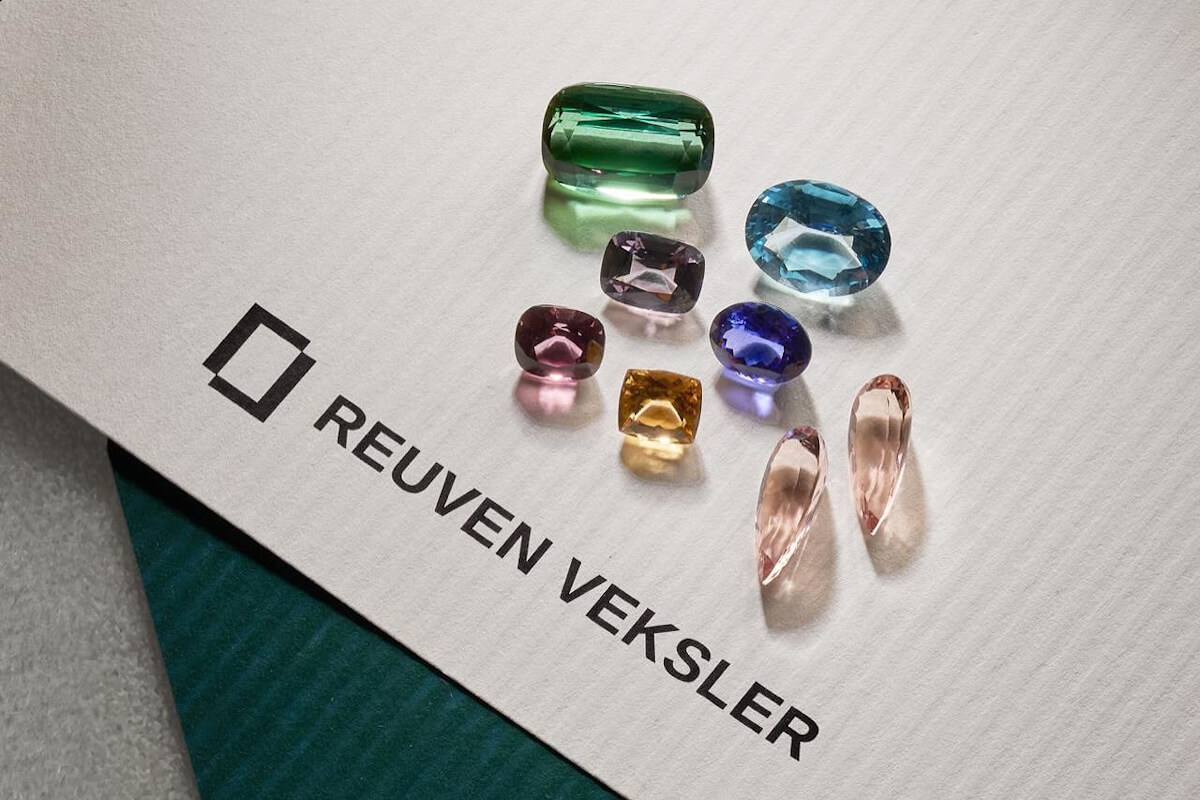
Reuven Veksler's spinel collection exemplifies the investment-grade material discussed in this market analysis, featuring specimens from depleted sources like Tanzania's Mahenge Plateau and Myanmar's historic Mogok Valley. With certified expertise in identifying the scarcity factors that command premium pricing, the collection offers access to the museum-quality spinels that sophisticated collectors seek before widespread market recognition renders such stones prohibitively expensive.
Spinel Collection:
Loose Spinel Gemstones
https://reuvenveksler.com/gemstones/type-spinel/
By Color:
Loose Grey Spinel Gemstones
https://reuvenveksler.com/gemstones/color-grey/type-spinel/
Loose Pink Spinel Gemstones
https://reuvenveksler.com/gemstones/color-pink/type-spinel/
Loose Purple Spinel Gemstones
https://reuvenveksler.com/gemstones/color-purple/type-spinel/
By Cut Style:
Cushion Cut Spinel Gemstones
https://reuvenveksler.com/gemstones/shape-cushion/type-spinel/
Oval Cut Spinel Gemstones
https://reuvenveksler.com/gemstones/shape-oval/type-spinel/
By Origin:
Loose Burma Spinel Gemstones
https://reuvenveksler.com/gemstones/origin-burma/type-spinel/
Loose Tanzanian Spinel Gemstones
https://reuvenveksler.com/gemstones/origin-tanzania/type-spinel/
By Treatment Status:
Untreated Spinel Gemstones
https://reuvenveksler.com/gemstones/treatment-none/type-spinel/
By Carat Weight:
0.5 Carat Spinel Gemstones
https://reuvenveksler.com/gemstones/type-spinel/weight-0-5/
1.5 Carat Spinel Gemstones
https://reuvenveksler.com/gemstones/type-spinel/weight-1-5/
2 Carat Spinel Gemstones
https://reuvenveksler.com/gemstones/type-spinel/weight-2-0/
2.5 Carat Spinel Gemstones
https://reuvenveksler.com/gemstones/type-spinel/weight-2-5/
3 Carat Spinel Gemstones
https://reuvenveksler.com/gemstones/type-spinel/weight-3-0/
3.5 Carat Spinel Gemstones
https://reuvenveksler.com/gemstones/type-spinel/weight-3-5/
4 Carat Spinel Gemstones
https://reuvenveksler.com/gemstones/type-spinel/weight-4-0/
5 Carat Spinel Gemstones
https://reuvenveksler.com/gemstones/type-spinel/weight-5-0/
5.5 Carat Spinel Gemstones
https://reuvenveksler.com/gemstones/type-spinel/weight-5-5/
6 Carat Spinel Gemstones
https://reuvenveksler.com/gemstones/type-spinel/weight-6-0/