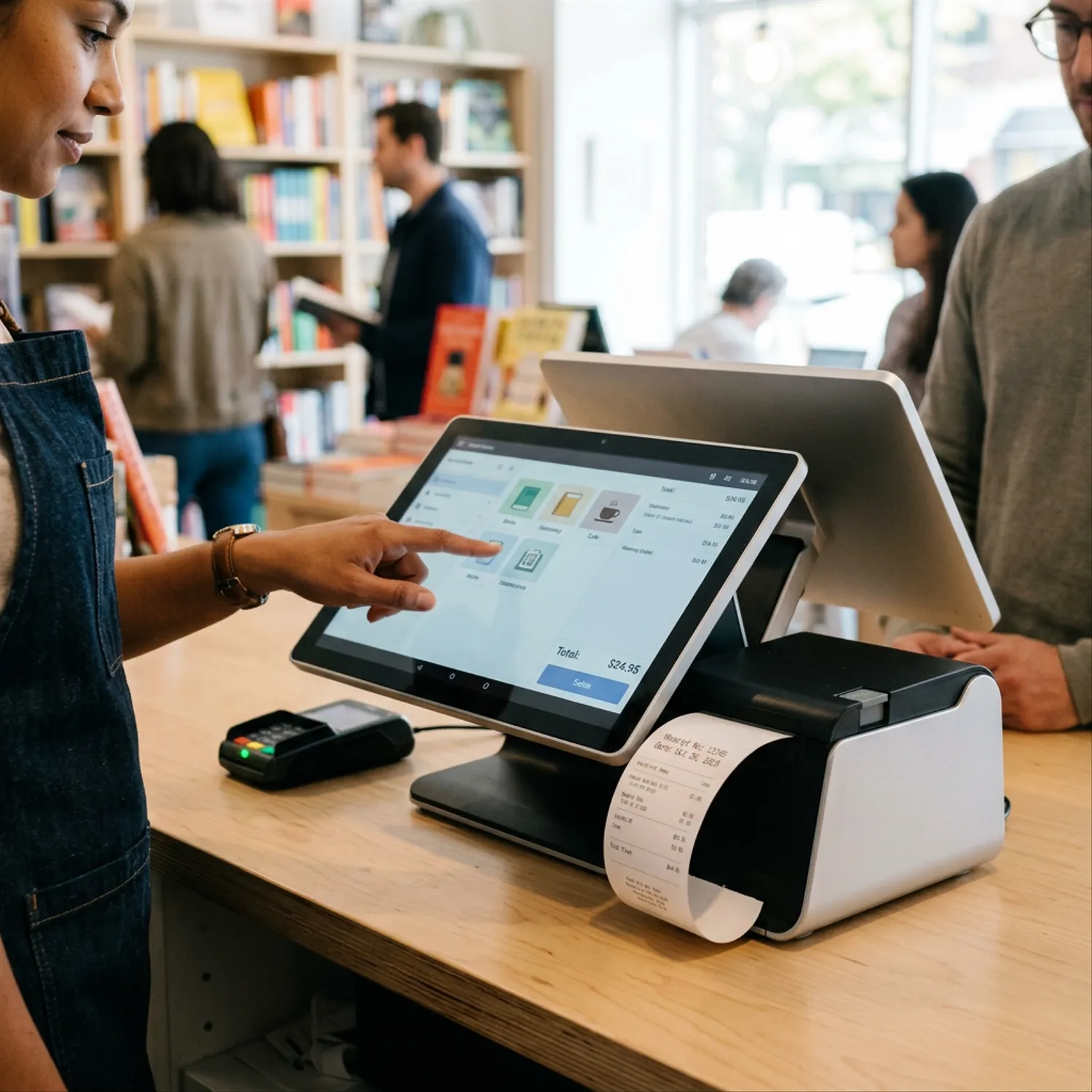
Running a restaurant today involves much more than taking orders and processing payments. Operators are expected to manage dine-in service, online orders, delivery requests, staffing, inventory, customer experience, and reporting—often all at once.
For many hospitality businesses, growth creates an unexpected problem: operational complexity.
That is why more venues are rethinking how they manage daily operations and turning toward modern restaurant point of sale systems that connect multiple parts of the business into a single workflow.
The Operational Challenge Restaurants Face
Many restaurants begin with simple processes. Orders are taken manually, inventory is tracked separately, and reporting is completed at the end of the day.
As demand increases, additional tools are introduced.
One platform handles payments.
Another manages online orders.
Another tracks customer rewards.
Another controls inventory.
Over time, teams spend more energy managing systems than serving customers.
This disconnected approach often leads to delayed service, order mistakes, inconsistent reporting, and reduced visibility across operations.
Why Traditional Systems No Longer Meet Hospitality Demands
Customer expectations have changed.
Guests now expect faster service, flexible ordering options, digital convenience, and consistent experiences across every interaction.
At the same time, restaurant owners are under pressure to manage labour costs, maintain food margins, and improve efficiency.
Modern restaurant point of sale systems support these demands by becoming the operational centre of the venue rather than simply acting as a payment terminal.
Multi-Channel Ordering Improves Service Flow
Restaurants today receive orders from several channels simultaneously:
- In-store dining
- Online ordering
- QR ordering
- Delivery services
- Self-service kiosks
Without integration, staff often duplicate work by manually transferring information between systems.
A connected POS environment centralises order management, reducing delays and helping teams maintain service quality during busy periods.
Better Visibility Leads to Smarter Decisions
One of the most overlooked advantages of restaurant POS technology is access to real operational data.
Restaurant owners frequently make decisions based on assumptions rather than measurable trends.
A modern system can provide insights into:
- Peak trading periods
- Menu performance
- Labour allocation
- Sales trends
- Customer behaviour
With stronger visibility, operators can adjust processes before small issues become larger operational problems.
Customer Experience Is Becoming a Competitive Advantage
Hospitality success is increasingly influenced by convenience.
Features such as QR ordering and digital loyalty programs can shorten wait times and encourage repeat visits while allowing staff to focus more on customer interaction.
These improvements may seem small individually, but collectively they can have a noticeable impact on guest satisfaction and long-term retention.
Inventory and Staff Management Matter More Than Ever
Food waste and labour inefficiencies continue to affect profitability across hospitality businesses.
Restaurant operators who manage inventory separately from daily sales data often struggle to maintain accurate cost control.
Likewise, workforce scheduling and accountability become more difficult without integrated staff management tools.
When these functions work together, businesses gain a clearer understanding of operational performance.
Choosing a Restaurant POS System That Supports Growth
Selecting a POS platform should go beyond comparing features.
Restaurant owners should evaluate whether the system can support future growth, simplify operations, and reduce reliance on disconnected software.
This is where a hospitality-focused platform such as Taptouch can help. By bringing together ordering, inventory visibility, reporting, loyalty capabilities, and operational management into a connected environment, hospitality businesses can reduce complexity while creating smoother customer experiences.
Final Thoughts
The role of restaurant point of sale systems has evolved significantly.
They are no longer just transaction tools—they influence efficiency, customer satisfaction, and business visibility across the entire operation.
For hospitality operators planning long-term growth, investing in systems that support connected workflows can create measurable improvements in both daily service and long-term performance.