Introduction
The agriculture industry is evolving rapidly, and post-harvest processing is one of the areas seeing major transformation. Among the most important crops requiring efficient post-harvest treatment are pulses. Known for their nutritional value and long shelf life, pulses are a staple food across the globe. But before they reach kitchens, they must go through a series of processes to ensure they are clean, graded, and ready for consumption.
A modern pulses processing plant plays a vital role in turning raw harvested pulses into high-quality, consumable products. Whether for domestic use or export, these plants are designed to improve quality, reduce waste, and increase the commercial value of every batch.
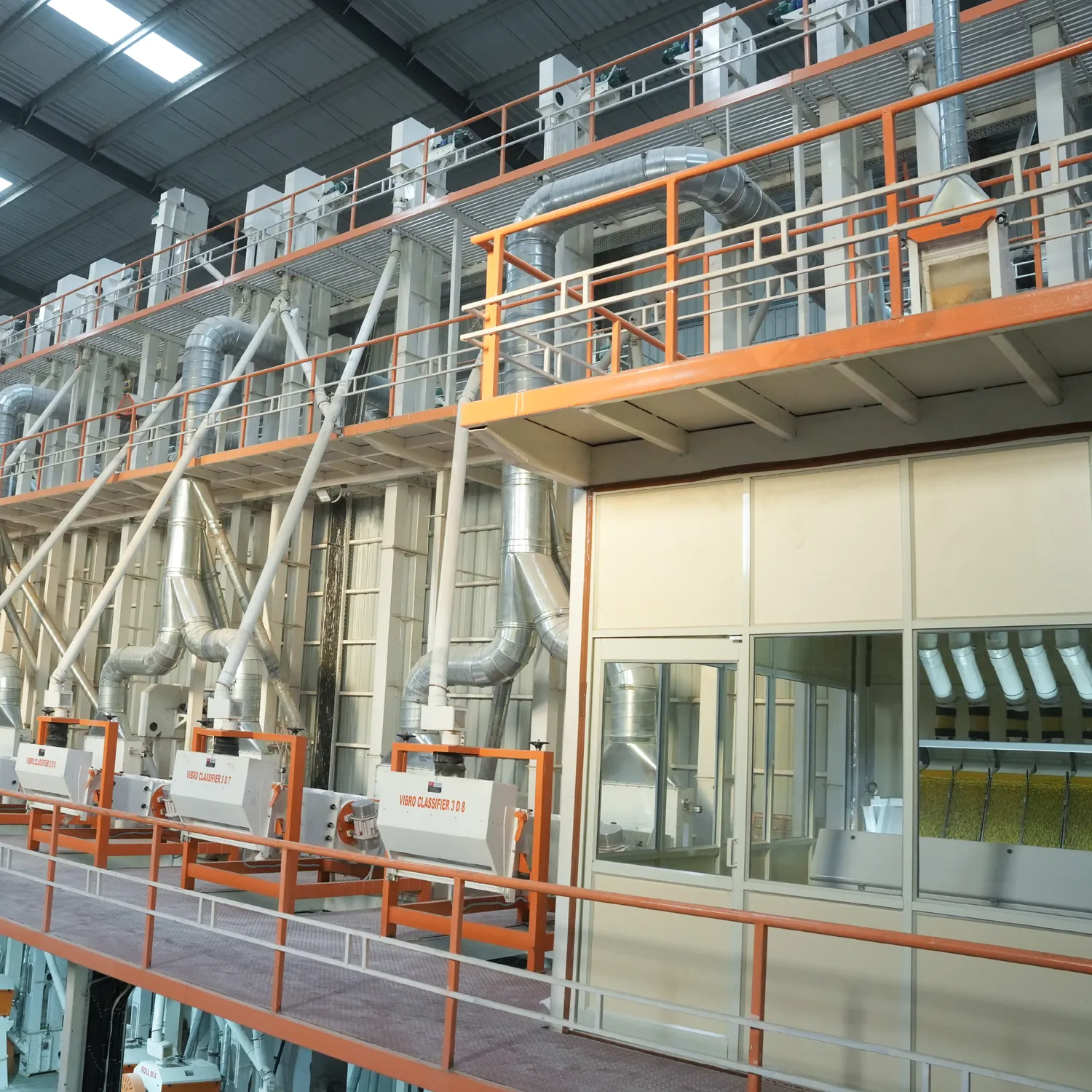
What Does a Pulses Processing Plant Do?
A pulses processing plant is an integrated facility equipped with machines that handle various stages of post-harvest processing. The main objectives are to remove impurities, grade the produce, split the pulses (when required), polish the grains, and prepare them for packaging or bulk storage.
Different types of pulses—such as urad, chana, masoor, moong, toor, and matar—may require customized handling. However, the general processing flow remains consistent, involving a sequence of mechanical operations.
Main Steps in Pulses Processing
1. Preliminary Cleaning
The harvested pulses usually come mixed with unwanted elements like dirt, stones, twigs, and crop residue. This material is removed using vibro classifiers, sieves, and air separators to ensure that only quality grains move to the next stage.
2. Destoning and Grading
Heavy particles like stones are removed using gravity-based destoners. Once cleaned, the pulses are graded using size-based graders to ensure uniformity. Grading is crucial for quality assurance, as it improves cooking consistency and consumer satisfaction.
3. Dehusking and Splitting
Whole pulses are dehusked using emery roll machines. After the outer husk is removed, the pulses are split using specialized pulse splitters. This process turns whole pulses into dals (split pulses), which are widely used in everyday cooking.
4. Polishing
Though optional, polishing improves the look of pulses and is often demanded in retail markets. Machines such as leather polishers or rubber brush rollers enhance shine and remove remaining husk or fine dust.
5. Final Cleaning and Dust Control
Before packaging, final cleaning and air filtration systems (like cyclone separators and jet filters) ensure the product is free from any leftover contaminants or micro-particles.
6. Packaging and Storage
Processed pulses are either packed for retail use or stored in silos and bins for bulk distribution. Proper storage conditions maintain the freshness and safety of the final product.
Essential Machines in a Pulses Processing Plant
A fully functioning plant includes the following machinery:
- Vibro Classifier
- Drum Sieve
- Vibro Destoner
- Grader Machine
- Emery Roll Dehusking Machine
- Pulse Splitter
- Rubber Brush Polisher / Leather Polisher
- Bucket Elevator
- Screw Conveyor
- Cyclone Separator
- Jet Filter
- Storage Silo or Bin
Each machine is calibrated to handle specific tasks efficiently, and modern plants often automate much of the operation to minimize human intervention.
Benefits of Setting Up a Pulses Processing Plant
Improved Market Value
Cleaned and polished pulses attract higher prices in both domestic and export markets. Processing adds value and ensures consistent quality, helping build long-term trust with buyers.
Higher Yields with Minimal Waste
Efficient machines minimize breakage and ensure more of the harvested crop ends up as a saleable product. This directly impacts profit margins.
Enhanced Food Safety
Dust control, hygiene-compliant equipment, and enclosed transport systems maintain cleanliness and prevent contamination, making the pulses safe for consumption.
Scalability and Flexibility
Plants can be designed to suit the needs of small-scale businesses or large industrial operations. Some setups can process multiple types of pulses with minor adjustments.
Job Creation and Rural Development
Processing units create jobs for machine operators, maintenance workers, packaging staff, and logistics personnel. They also provide farmers with reliable markets for their produce, helping stabilize rural incomes.
Use Cases and Applications
- Small-scale dal mill operations
- Bulk pulse supply for food processors
- Government food distribution schemes
- Export-oriented processing units
- Contract manufacturing for retail brands
Whether operating in a village or industrial zone, pulses processing plants offer versatile applications and consistent demand throughout the year.
Global Demand and Export Potential
With growing demand for plant-based proteins worldwide, pulses have emerged as a key export item for many agricultural economies. A well-managed pulses processing plant enables producers to meet international standards in terms of hygiene, grading, and packaging. Countries with surplus pulse production can tap into international markets and build a strong export base.
Conclusion
A pulses processing plant is an essential asset in modern agri-business. It bridges the gap between farm production and market demand by delivering clean, safe, and value-added pulses. With rising consumer expectations and a competitive global food industry, investing in efficient processing systems is not just a matter of convenience—it’s a necessity.
By implementing the right equipment, maintaining hygiene standards, and optimizing each stage of processing, these plants ensure both economic growth and food security in the agricultural supply chain.