The Digital First Impression
In the competitive world of Orange County real estate, where Mediterranean villas in Newport Coast stand shoulder-to-shoulder with modern masterpieces in Irvine and charming bungalows in Fullerton, the first impression is everything. That impression is no longer made at the open house; it is made on a screen. In this digital arena, where countless listings vie for a potential buyer's fleeting attention, the single most critical element separating a property that lingers in obscurity from one that commands viewings and offers is not the camera itself, but the quality of the light it captures. Lighting is the silent language of real estate photography, a powerful tool that can articulate space, evoke emotion, and ultimately, define value.
The Emotional Sell: Beyond Simple Illumination
The primary objective of any property photograph is to make a potential buyer feel something. It is an emotional sell long before it becomes a financial transaction. Harsh, direct sunlight streaming through a window may seem appealing, but in a photograph, it creates violent streaks of glare and deep, impenetrable shadows. It obscures detail, makes colors look washed out, and transforms a room into a chaotic battlefield of contrast. Conversely, a room shot on a gloomy, overcast day can appear flat, dull, and lifeless, devoid of the energy and warmth that makes a house feel like a home. Professional lighting techniques bridge this gap, allowing for the creation of a perfect, perpetual "golden hour" within a property's walls, regardless of the weather or time of day.
The Technical Mastery: HDR and Flashing
The magic often happens through a technique known as HDR, or High Dynamic Range photography. While many smartphones employ a version of this, the professional application is far more nuanced and powerful. It involves taking multiple photographs of the same scene at different exposure levels—one for the bright highlights outside the windows, one for the mid-tones of the furniture, and one for the shadowy corners of the room. These layers are then meticulously blended together in post-production. The result is a single, seamless image where the viewer can clearly see the lush landscaping through the window, the rich texture of the hardwood floor, and the details of an art piece on a far wall, all in perfect harmony. This technique preserves the natural feel of the space while ensuring no area is lost to darkness or blinding light.
However, HDR alone is not a panacea. The next level of sophistication involves the use of artificial lighting, or "flashing," to augment and perfect the natural light. This is not the harsh, direct flash of a point-and-shoot camera, which creates sharp, unflattering shadows and makes rooms look sterile. Instead, professionals use off-camera strobes or speedlights, often bounced off ceilings or walls, to fill in shadows with a soft, natural-looking light. This technique allows the photographer to take control of the ambient light, rather than being controlled by it. For instance, in a master bathroom with no windows, a skilled photographer can use artificial light to create an illusion of soft, diffused daylight, making the space feel bright, airy, and inviting.
Shaping Space and Perception
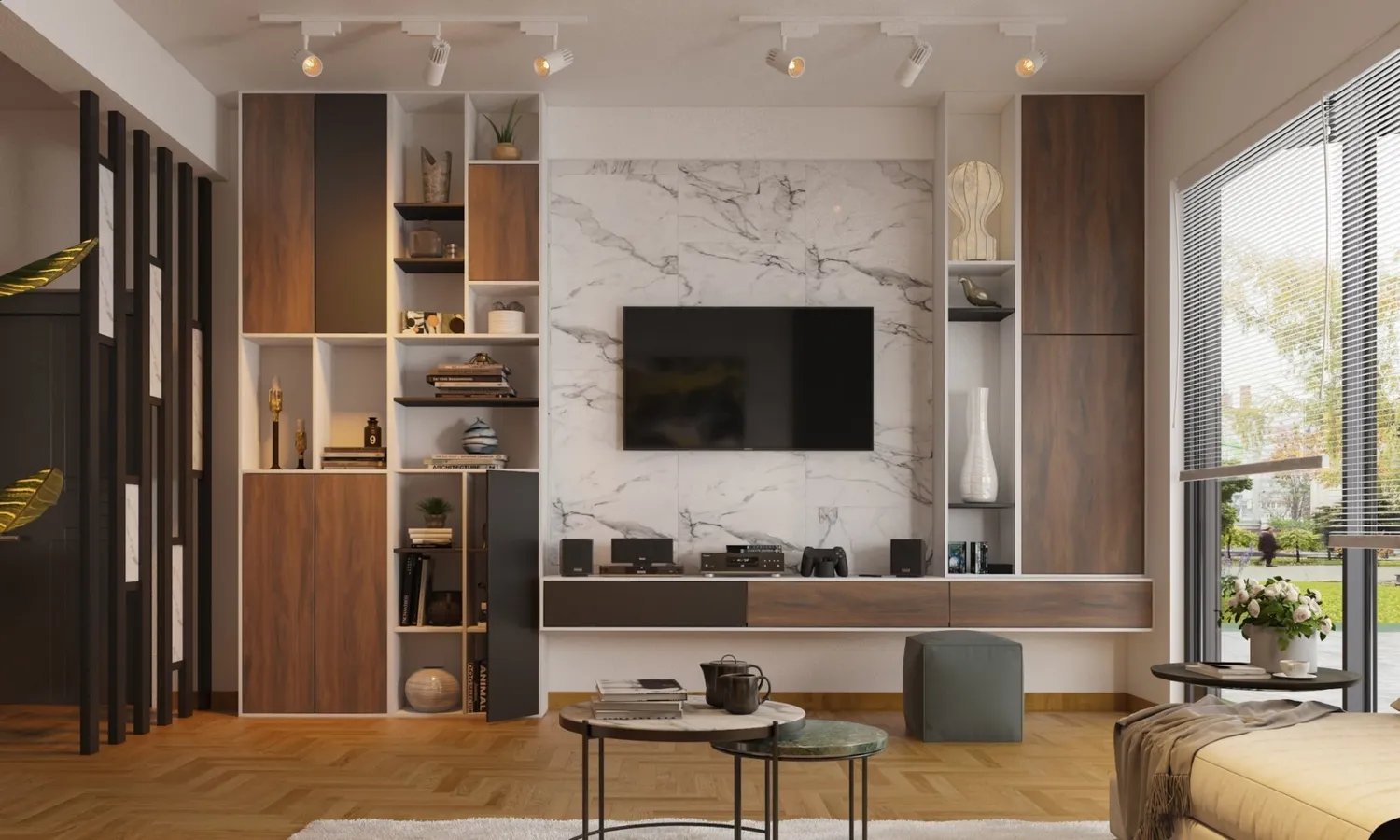
Beyond technical correction, lighting is a masterful tool for storytelling and shaping perception. The direction and quality of light can be manipulated to influence how a buyer perceives the size, mood, and function of a room. Warm light, often associated with sunrise or sunset, evokes feelings of comfort, coziness, and intimacy. It can make a living room feel like a welcoming retreat or a bedroom feel like a serene sanctuary. Cooler light can make a space feel clean, crisp, and modern, ideal for highlighting stainless steel appliances in a kitchen or the sleek tiles in a bathroom.
This manipulation of light directly impacts the perceived scale of a property. A dark room with poor lighting feels smaller and more confined. By evenly illuminating all corners, a photographer can make that same room feel significantly larger and more open. In smaller Orange County condos or starter homes, where square footage is a premium, this ability to visually expand a space is not just an artistic choice—it is a critical marketing strategy that can justify the asking price. Lighting can be used to highlight a home’s best features and downplay its weaknesses. A stunning architectural detail, a custom-built bookshelf, or a statement light fixture can be turned into the focal point of a room simply by ensuring it is perfectly lit.
The All-Important Curb Appeal
The importance of lighting extends beyond the interior. Exterior shots, or "curb appeal" photos, are the very first images a potential buyer sees, and they are entirely dependent on the right light. Shooting a home's exterior under the harsh midday sun will result in overly bright roofs, washed-out colors, and dark, distracting shadows under the eaves and trees. The ideal time for exterior photography is during the "golden hours"—the period shortly after sunrise or before sunset. During this time, the sun is low in the sky, casting a soft, warm, directional light that adds depth, dimension, and a magical quality to the property. It makes the paint color look rich, the landscaping appear lush, and the entire home feel welcoming and established. For north-facing homes or properties with challenging landscaping, skilled Orange County real estate photographers may even use a technique called "twilight" photography, where shots are taken just after the sun has set. With the sky a deep, dramatic blue and the interior and exterior lights turned on, the home looks both cozy and majestic, creating an emotional pull that is incredibly powerful.
The Cost of Amateur Photography
In a market as visually sophisticated and demanding as Orange County, amateur photography is a significant liability. The prevalence of high-quality imagery in advertising and media has raised consumer expectations to an all-time high. Buyers can instantly sense when a property has been photographed professionally versus when it has been captured with a smartphone by an untrained agent. Poor lighting—with its blown-out windows, dark corners, and unnatural color casts—immediately signals that the seller or agent may not be committed to presenting the property in its best light, figuratively and literally. It can inadvertently suggest that the home has something to hide or that the listing is not premium. In a region where luxury is the standard, not the exception, inferior photography can cause a property to be overlooked by the very audience it is intended to attract.
An Investment in Perceived Value
Ultimately, investing in professional real estate photography is an investment in the property's perceived value. The cost of hiring a skilled photographer who understands the intricate dance of light is negligible compared to the potential return. A property presented with beautiful, bright, and professionally lit photographs will attract more online views, schedule more showings, and generate more serious buyer interest. This increased demand is the catalyst for competitive offers and can often result in a final sale price that far exceeds the initial investment in the photography itself. Lighting is the invisible hand that guides a buyer’s eye, shapes their emotional response, and builds the narrative of a future home. It transforms a simple architectural space into a desirable lifestyle, making it not just a structure to be bought, but a dream to be sold. In the high-stakes visual landscape of Orange County property marketing, mastering light is not just a technical skill; it is the very essence of closing the deal before a single key is ever turned in the lock.