Recovery from an injury, surgery, or serious illness is never easy. Many people think that once their treatment is done, the healing process is complete. But the truth is, medical treatment alone is not enough. Rehabilitation care plays a vital role in helping patients regain their strength, mobility, and independence. Without proper rehabilitation, recovery can be slow, incomplete, or even lead to long-term complications. In this article, we will explore why rehabilitation care is so important for a full and successful recovery.
What Is Rehabilitation Care?
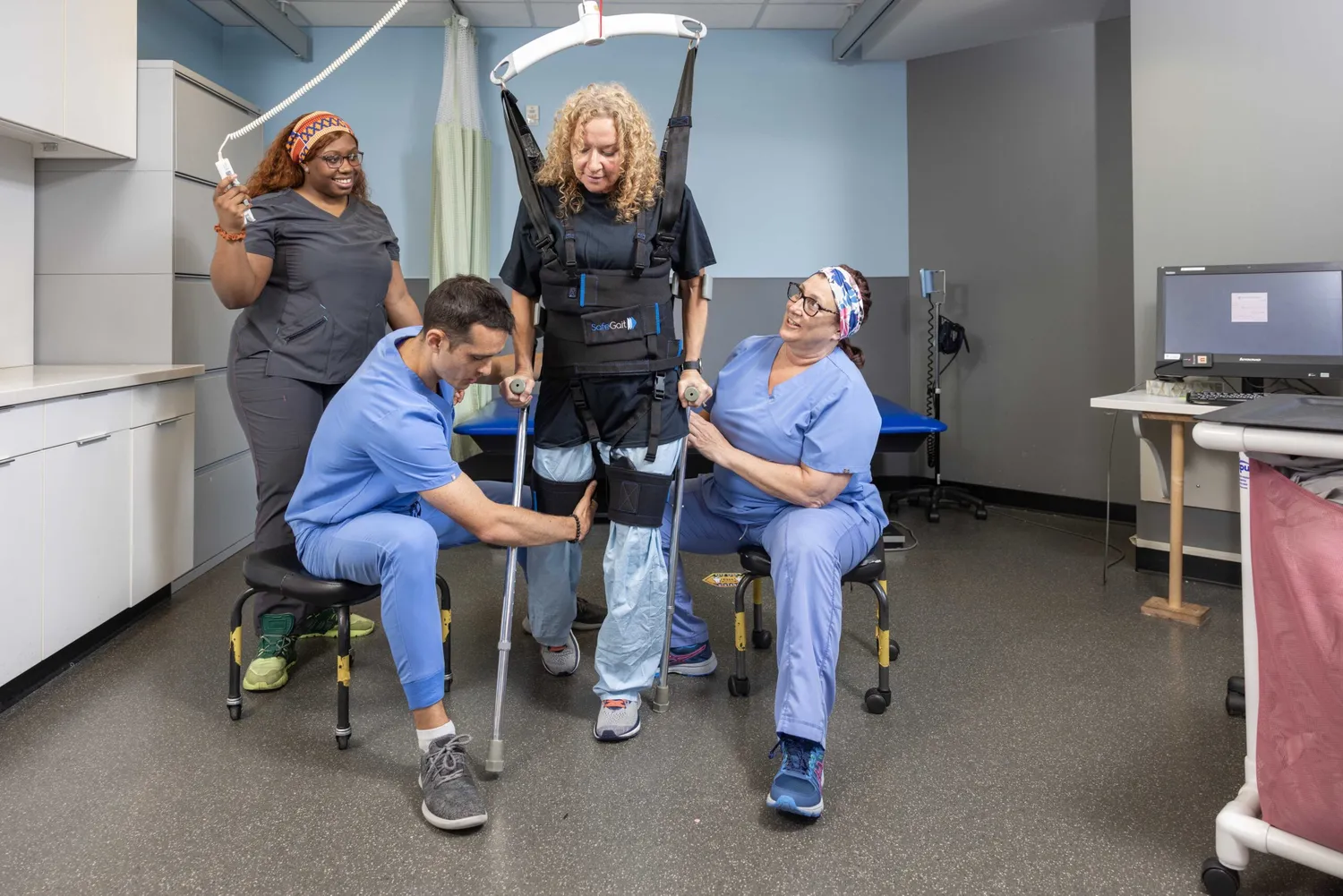
Rehabilitation care is a structured program of therapies and treatments designed to help patients recover from injuries, surgeries, strokes, or chronic illnesses. It involves a team of healthcare professionals including physical therapists, occupational therapists, speech therapists, and doctors who work together to restore a patient's physical and mental functioning.
Rehabilitation care is not just about healing the body. It also focuses on improving the quality of life, reducing pain, and helping patients return to their daily activities as quickly and safely as possible.
Why Is Rehabilitation Care Important for a Full Recovery?
Restores Physical Strength and Mobility
One of the biggest challenges after an injury or surgery is the loss of muscle strength and body movement. Rehabilitation care includes targeted exercises and therapies that help patients rebuild their strength, improve flexibility, and restore normal movement. Without this structured support, muscles can weaken further and joints can become stiff, making recovery much harder.
Reduces the Risk of Complications
After surgery or a serious illness, patients are at risk of developing complications such as blood clots, muscle atrophy, infections, and pressure sores. Rehabilitation care helps prevent these complications by keeping the body active and the blood flowing properly. Early mobilization and guided exercises significantly reduce these risks.
Speeds Up the Recovery Process
Rehabilitation care is scientifically designed to accelerate the healing process. Through consistent therapy sessions, patients recover faster compared to those who rely only on rest. Therapists create personalized recovery plans that target specific weaknesses, helping the body heal more efficiently and in less time.
Improves Mental Health and Emotional Well-Being
A serious injury or illness does not only affect the body — it also takes a heavy toll on mental health. Patients often experience depression, anxiety, and frustration during recovery. Rehabilitation care addresses emotional well-being by providing psychological support, setting achievable goals, and celebrating small milestones. This boosts confidence and motivates patients to keep pushing forward.
Helps Patients Regain Independence
One of the most important goals of rehabilitation care is to help patients become independent again. Whether it is learning to walk again, regaining the ability to speak, or performing daily tasks like cooking and dressing, rehabilitation care focuses on restoring self-sufficiency. This independence greatly improves a patient's confidence and overall quality of life.

Prevents Re-Injury and Future Health Problems
Without proper rehabilitation, patients are at a much higher risk of re-injuring themselves or developing chronic pain conditions. Rehabilitation care teaches patients the correct posture, movement techniques, and exercises to protect their bodies from future harm. Patients also learn how to manage their condition long-term and maintain a healthy lifestyle.
Provides Personalized Care and Support
Every patient is different. Rehabilitation care is not a one-size-fits-all solution. Healthcare professionals assess each patient's specific condition, needs, and goals and create a customized recovery plan. This personalized approach ensures that every patient gets the right treatment at the right time, leading to better and faster outcomes.
Supports Recovery from Neurological Conditions
Rehabilitation care is especially important for patients recovering from neurological conditions like stroke, traumatic brain injury, or spinal cord injuries. Specialized neurorehabilitation therapies help retrain the brain and nervous system to regain lost functions. Speech therapy, cognitive exercises, and physical therapy work together to help these patients achieve maximum recovery.
The Role of a Rehabilitation Care Team
A successful rehabilitation program depends on a dedicated team of professionals. This team typically includes:
- Physical Therapists — Help restore movement, strength, and balance
- Occupational Therapists — Assist patients in regaining daily life skills
- Speech Therapists — Help with communication and swallowing difficulties
- Psychologists — Provide mental health support and counseling
- Rehabilitation Nurses — Monitor progress and provide medical care
- Doctors and Specialists — Oversee the overall recovery plan
This multidisciplinary team works together to ensure that every aspect of a patient's recovery is addressed thoroughly and effectively.
Who Needs Rehabilitation Care?
Rehabilitation care is beneficial for a wide range of patients, including:
- People recovering from orthopedic surgeries such as hip or knee replacement
- Patients who have suffered a stroke or heart attack
- Individuals with sports injuries or traumatic injuries
- People living with chronic pain conditions
- Patients recovering from cancer treatment
- Elderly individuals experiencing age-related mobility issues
- People with neurological disorders such as Parkinson's disease or multiple sclerosis

Conclusion
Rehabilitation care is not just an optional add-on to medical treatment — it is an essential part of achieving a full and lasting recovery. From restoring physical strength and preventing complications to improving mental health and regaining independence, rehabilitation care touches every aspect of a patient's healing journey. Whether you are recovering from surgery, an injury, or a serious illness, investing in proper rehabilitation care can make the difference between a partial recovery and a complete return to a healthy, active life. Always consult with your doctor or healthcare provider to find the right rehabilitation care plan that suits your specific needs and goals.
FAQs
How soon should rehabilitation care start after surgery or injury?
Rehabilitation care should ideally begin as soon as your doctor clears you for therapy. In many cases, early rehabilitation — even within 24 to 48 hours after surgery — leads to better and faster recovery outcomes.
How long does a rehabilitation care program last?
The duration of rehabilitation care depends on the severity of the condition. It can range from a few weeks for minor injuries to several months or even years for serious conditions like stroke or spinal cord injury.
Is rehabilitation care only for elderly patients?
No. Rehabilitation care is beneficial for people of all ages — from young athletes recovering from sports injuries to elderly individuals managing age-related health issues. Anyone who needs help regaining physical or mental function can benefit from rehabilitation care.
Can rehabilitation care be done at home?
Yes. Many rehabilitation programs offer home-based therapy options. A therapist can visit your home and guide you through exercises and treatments. However, for serious conditions, an inpatient rehabilitation facility may provide more comprehensive care.
Is rehabilitation care covered by insurance?
In many cases, rehabilitation care is covered by health insurance, especially when it is prescribed by a doctor as a medically necessary treatment. It is advisable to check with your insurance provider for specific coverage details.