Introduction
Embarking on a career as a cabin crew member requires more than just a passion for travel and customer service. There are specific qualifications and training fees that aspiring candidates need to be aware of before they can start their journey in the aviation industry. This article provides a detailed overview of the qualifications required to join a cabin crew training program and what you can expect in terms of course fees.
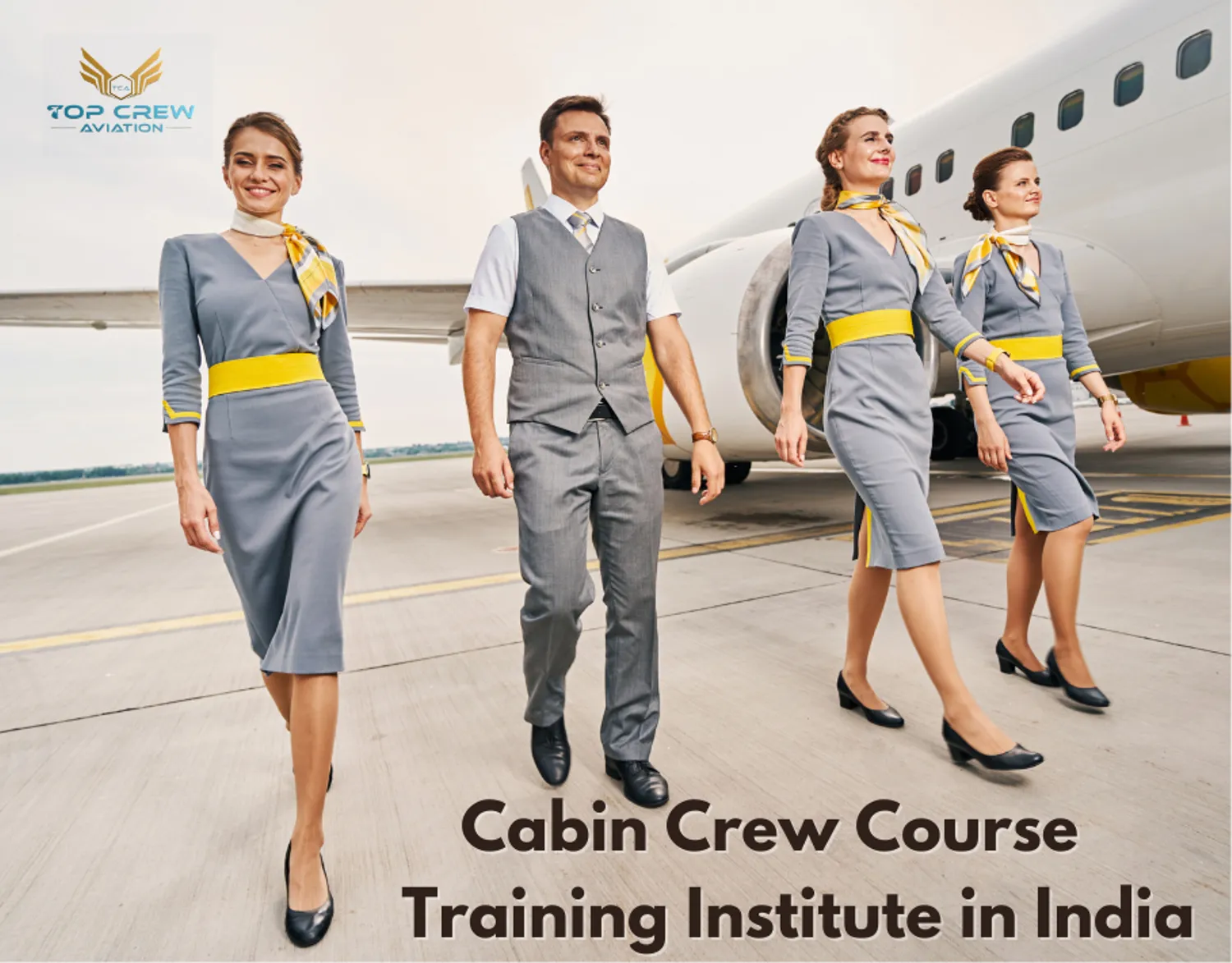
Qualifications Required for Cabin Crew Training
Before enrolling in a cabin crew training program, it’s important to ensure that you meet the necessary qualifications. These requirements are designed to ensure that candidates are physically and mentally prepared for the demanding role of a cabin crew member.
- Educational Requirements: Candidates must have completed their 10+2 education from a recognized board or university. This ensures that they have the basic educational foundation needed to understand the technical aspects of the job.
- Age Criteria: The ideal age range for cabin crew candidates is between 18 and 27 years. This is because the job requires a certain level of physical fitness and the ability to work long hours, often in challenging conditions.
- Height and BMI Standards: Airlines have specific height and body mass index (BMI) requirements for cabin crew members. For females, the minimum height is typically 155 cm, while for males, it is 165 cm. The BMI range for females is usually between 18 and 22, while for males, it is between 18 and 25. These standards ensure that candidates can perform their duties efficiently, including reaching overhead compartments and moving quickly in emergency situations.
- Vision Requirements: Candidates must have 6/6 vision, either naturally or with corrective lenses. Good vision is essential for ensuring the safety of passengers and crew members during flights.
Understanding Cabin Crew Training Fees
The cost of cabin crew training can vary significantly depending on the institute, the type of course, and the duration of the program. It’s important for aspiring candidates to carefully consider the fees before enrolling in a program.
- Course Duration and Type: The length of the course can range from a few weeks to several months, depending on the depth of training provided. Some institutes offer crash courses that cover the basics in a shorter time frame, while others offer more comprehensive programs that include additional modules such as advanced safety procedures and customer service techniques.
- Transparent Fee Structure: Top Crew Aviation (TCA) offers a transparent fee structure, allowing students to pay a one-time fee that covers the entire course until they secure a job. This is a significant advantage for students who want to avoid unexpected costs during their training.
- Additional Costs: In addition to the course fees, candidates may also need to consider the cost of accommodation, meals, and other expenses during their training. TCA offers accommodation options for both boys and girls, including meals, which can help reduce the overall cost of training.
Why Invest in Cabin Crew Training?
Investing in cabin crew training is a significant financial commitment, but it’s one that can pay off in the long run. The aviation industry offers attractive salaries, benefits, and the opportunity to travel the world. With the right training, candidates can increase their chances of securing a well-paying job with a reputable airline.
Conclusion
Before embarking on a career as a cabin crew member, it’s essential to understand the qualifications required and the costs involved. By choosing a reputable training institute like Top Crew Aviation, candidates can ensure that they receive the best possible training and support throughout their journey. With the right qualifications and training, aspiring cabin crew members can look forward to a rewarding and exciting career in the aviation industry.