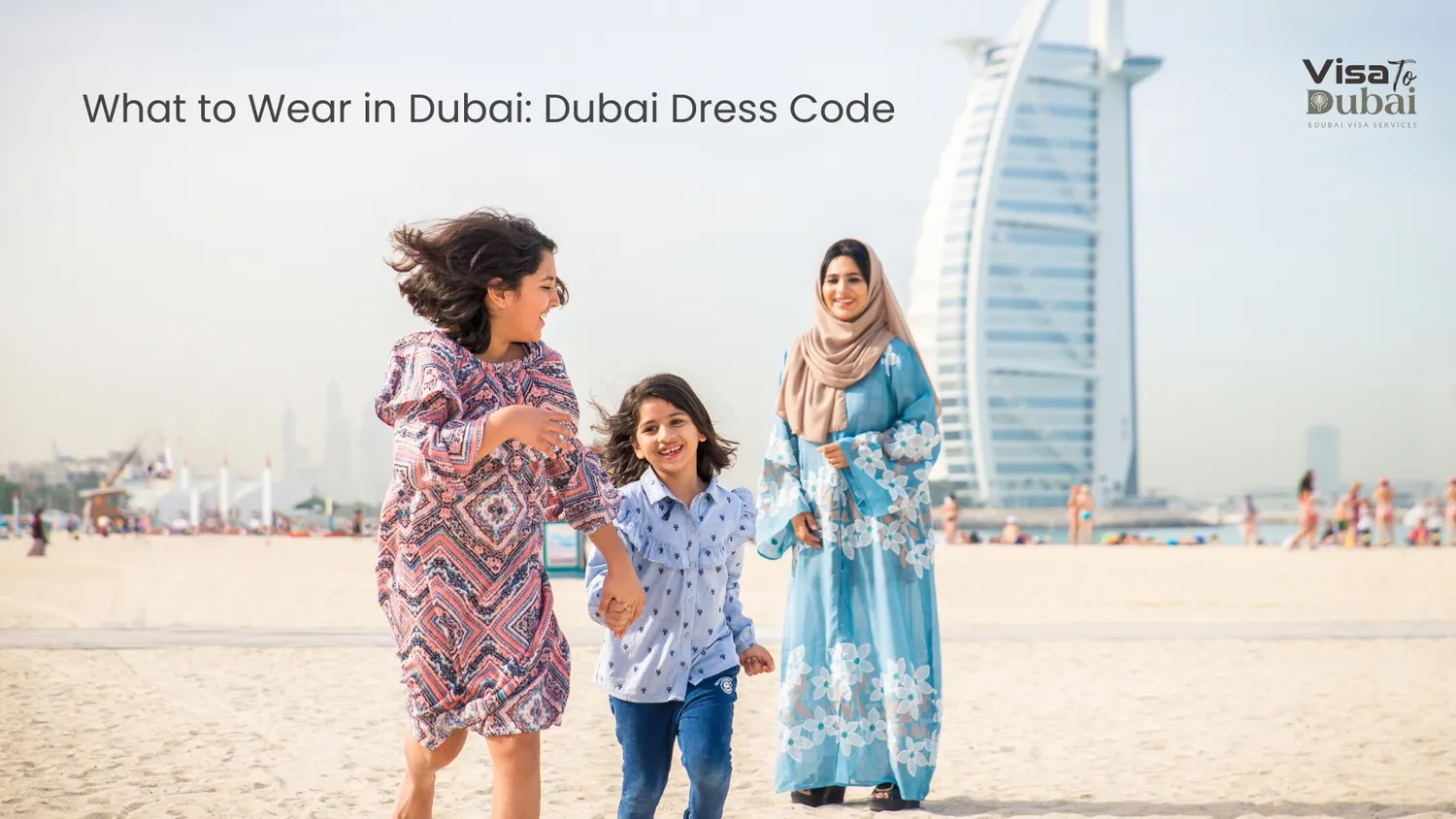
Dubai is a city of contrasts, modern and traditional. Whether you’re here for business, pleasure or luxury, understanding the Dubai dress code is key to having a respectful and comfortable time. Let’s get into everything you need to know about what to wear in Dubai, taking into account the cultural norms, weather and activities you’ll be doing.
Why the Dubai Dress Code?
Dubai is part of the United Arab Emirates, a Muslim country with traditional values. While the city is cosmopolitan and accepting of different cultures, respecting the Dubai dress code is good manners and will help you avoid unnecessary attention or discomfort. Dressing right will also help you blend in.
General Dubai Dress Code Guidelines
Here are the general rules to keep in mind when deciding what to wear in Dubai:
- Modesty is Key:
Men and women are expected to dress modestly, especially in public areas like malls, markets and government buildings. Avoid revealing or tight clothing.
- Shoulders and Knees Covered:
For women, shoulders and knees should be covered. Men should not wear sleeveless shirts or shorts in formal or religious places.
- Dress for the Occasion:
Dubai is versatile. Beachwear is perfect at the beach, not in a mosque or a high-end mall.
- Weather Friendly:
Dubai’s hot weather means light, breathable fabrics. But air conditioned spaces can get cold, so layering is smart.
Visa to Dubai is an experienced visa agency providing assistance to potential applicants with Dubai visa requirements for UK residents. So that you can travel to Dubai and have a thrilling experience.

What to Wear in Dubai for Women
Women have plenty of options as long as it’s modest. Here are some specific guidelines based on activities and locations:
- Everyday Outfits:
For daily wear, go for loose dresses, maxi skirts or trousers with blouses or tops that cover your shoulders. Cotton and linen fabrics are perfect for the weather.
- Beachwear:
Swimwear including bikinis is allowed in private beaches, hotel pools and water parks. But wearing swimsuits outside these areas is not allowed. A cover up or kaftan is perfect for transitioning from the beach to other places.
- Mosques and Religious Sites:
When visiting a mosque like the Jumeirah Mosque, women will need to wear an abaya (a long robe) and headscarf to cover their hair. These can usually be borrowed at the mosque entrance.
- Evening Wear:
Dubai’s nightlife is fancy and women can wear cocktail dresses, gowns or smart casual. But too revealing and you’ll get unwanted attention so keep it elegant yet modest.
What to Wear in Dubai for Men
Men have dress code too in Dubai. It’s slightly more relaxed than for women but still some expectations apply:
- Everyday Wear:
Casual tees or polo shirts with trousers or knee length shorts is fine for most occasions. No sleeveless shirts unless you’re at the beach or gym.
- Formal Occasions:
For business meetings or fancy restaurants men should wear suits or collared shirts with tailored trousers. Jackets might be required in some formal places.
- 3. Beachwear:
Men can wear swim trunks at the beach and pool but switch to shorts and a tee or cover up when leaving these areas.
- 4. Religious Sites:
When visiting mosques men should wear long trousers and a shirt or t-shirt that covers their shoulders.
if you want to visit dubai then you must apply for a dubai visa
Dubai Dress Code for Specific Locations
- Malls and Shopping Areas:
Dubai’s malls are some of the most luxurious in the world. Modesty is key so avoid short or revealing outfits. A comfortable, stylish outfit that follows the Dubai dress code is best.
- Beaches and Water Parks:
Swimwear is allowed but always have a cover up. For women a modest swimsuit or bikini is fine. For men avoid tight swimwear.
- Restaurants and Nightclubs:
Restaurants and nightclubs have their own dress code. Smart casual or formal is usually required so check ahead. No flip flops or too casual in these places.
- Desert Safaris:
Comfort and practicality is key here. Loose fitting pants, tees and closed toe shoes are best. Bring a light jacket for the evening when the desert temperature drops.
Dubai Clothing Tips for Tourists
- Pack Wisely:
Bring clothes that can be mixed and matched. A scarf can be your best friend to cover up when needed. - Invest in Accessories:
Hats, sunglasses and sunscreen are a must for outdoor activities in the Dubai sun. - No Offending Prints:
No clothes with offensive images or slogans. - Be Respectful:
If in doubt, play it safe and opt for more conservative clothes.
Seasonal Tips: What to Wear in Dubai All Year Round
- Summer (April to October):
Dubai’s summer is very hot, temperatures can go up to 40°C (104°F). Cotton and linen are a must.
- Winter (November to March):
Winter is cooler, temperatures range from 20-25°C (68-77°F). You can wear slightly thicker clothes but still light. A jacket or sweater is recommended for evenings.
Special Occasions in Dubai
- Weddings:
For women, formal gowns or dresses that are modest are fine. For men, suits or formal clothes.
- Festivals:
During Ramadan or Eid, modesty in clothing becomes even more important. Shoulders and knees should be covered in public areas.
Conclusion
Knowing the Dubai dress code will make your visit to this amazing city more respectful and enjoyable. Whether you’re visiting iconic landmarks, beach or nightlife, dressing right will help you blend in and be comfortable.
When deciding what to wear in Dubai, balance cultural respect with personal style. Pack versatile clothes, wear light fabrics and be prepared to adjust according to the occasion. By following these tips, you’ll respect Dubai’s traditions and enjoy every moment of it.
Dubai Dress Code FAQs
1. Can women wear shorts in Dubai?
Yes, women can wear knee length shorts in casual areas but not in religious or formal areas.
2. Do I have to wear traditional Emirati clothes?
No, tourists don’t have to wear traditional Emirati clothes but modest clothes are recommended.
3. Are sleeveless tops allowed?
Sleeveless tops are okay at the beach or resorts but not in public areas.
4. Can men wear sandals in Dubai?
Yes, sandals are fine for casual occasions but not for formal places.
Respecting the Dubai dress code not only reflects cultural awareness but also ensures a hassle-free trip filled with amazing experiences.