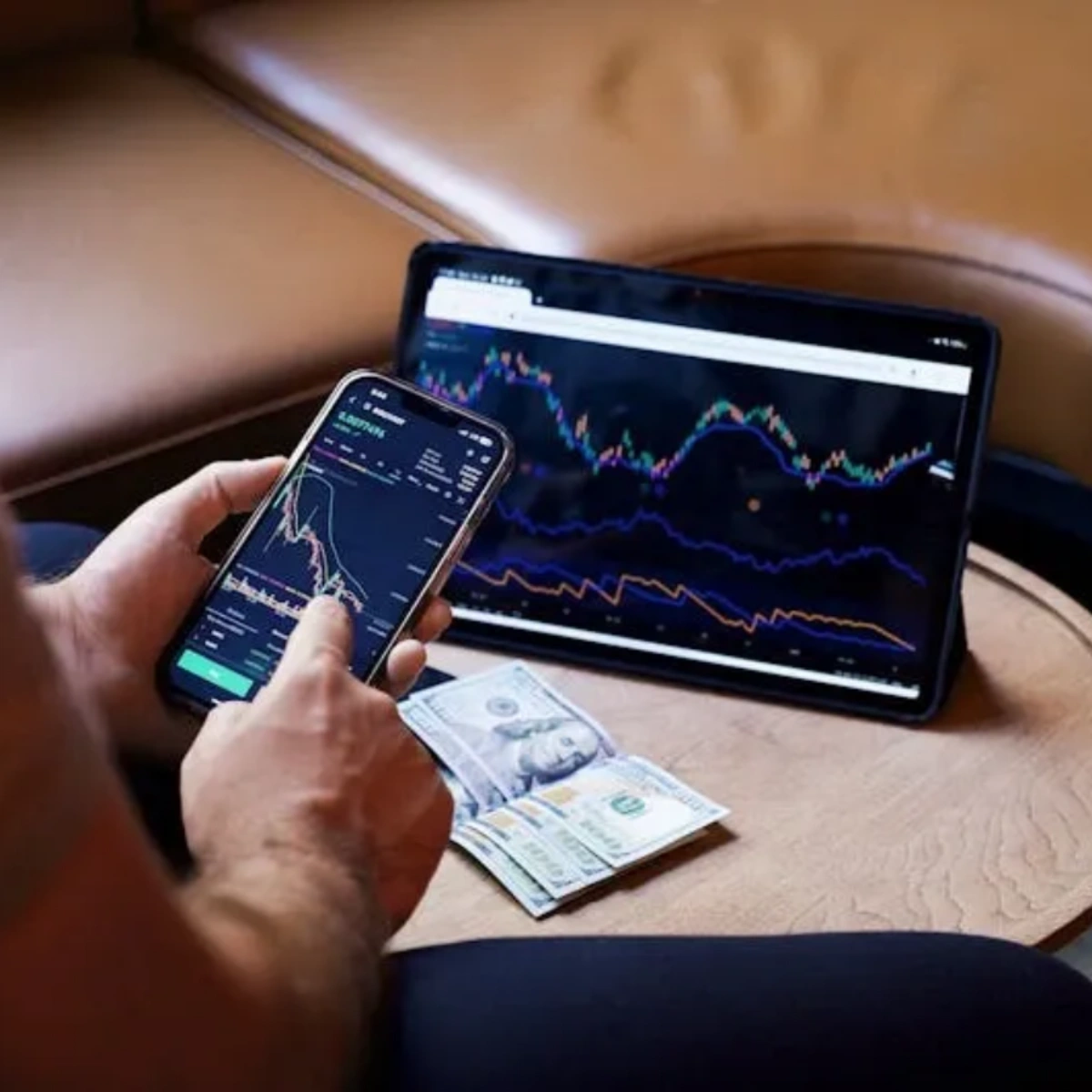
Many traders are attracted to arbitrage because it sounds simple. Buy low, sell high, and keep the difference. But in crypto, the process needs speed, accuracy, and proper tools. A crypto arbitrage platform can support traders by scanning markets, comparing prices, and showing possible trading gaps.
Before using any tool, traders should know what to check. Not every price gap is useful, and not every tool is safe. This guide explains the main things to look for before starting.
Understand the Purpose First
An arbitrage tool is not magic software. It does not remove all risk. Its job is to help you find data faster.
The tool may show that a coin has a price difference across two exchanges. But you still need to check whether the trade makes sense after fees, liquidity, and timing.
A good trader uses the tool as support, not as a blind decision-maker.
Check Supported Exchanges
The first thing to check is exchange support. A tool is only useful if it tracks exchanges where you can actually trade.
Look for exchanges with strong liquidity, reliable withdrawals, and good security. If a tool supports many unknown exchanges, that does not always mean it is better.
Large price gaps often appear on low-quality exchanges because traders avoid them. Sometimes withdrawals are disabled, or liquidity is too low. Always check before using real money.
Review Real-Time Accuracy
Arbitrage needs updated data. If the tool shows old prices, you may enter a trade too late.
Real-time updates are very important because opportunities can disappear quickly. A delay of even a few seconds can change the result.
Before using a tool seriously, test it by comparing its displayed prices with the actual exchange prices.
Look at Fee Calculations
Fees can decide whether a trade is profitable or not.
You may need to pay trading fees on both exchanges. You may also pay withdrawal fees, blockchain network fees, and sometimes conversion fees.
A strong tool should help estimate these costs. If it only shows the price gap without fees, the data is incomplete.
For example, a 1 percent spread may look good. But if total costs are 0.8 percent, the real profit is very small. If slippage happens, the trade may even become a loss.
Study Liquidity and Volume
Liquidity means how much buying and selling activity exists in the market. High liquidity makes it easier to enter and exit trades at expected prices.
Low liquidity can create fake-looking opportunities. The price may look high, but there may not be enough buyers at that price.
Always check the order book before trading. If the volume is weak, avoid the trade or use a very small amount.
Understand Different Strategy Types
Cross-Market Strategy
This involves buying on one exchange and selling on another. It is simple but depends on transfer speed.
Same-Exchange Strategy
This uses different pairs on one exchange. It can be faster because funds stay in one place.
Spot and Derivatives Strategy
This compares spot prices with futures or perpetual contracts. It is more advanced and requires risk control.
DeFi Strategy
This checks price gaps between decentralized exchanges and other markets. It can be useful, but gas fees and slippage are important.
Check Security Features
Security should be a top priority. If a tool connects with your exchange account, it may use API keys. These keys should be handled carefully.
Avoid giving withdrawal permission unless it is absolutely necessary. Many traders only allow trading permission and keep withdrawals disabled.
Use strong passwords, two-factor authentication, and trusted devices. Also, avoid tools with unclear ownership or poor reviews.
Test Before Scaling
Never start with large capital. First, observe the tool. Then test with small trades.
Track the results. Check whether the displayed profit matched the real profit. If not, find out why.
Maybe fees were higher. Maybe slippage happened. Maybe the price changed too fast. These lessons are important before increasing trade size.
Watch Out for Unrealistic Claims
Be careful with tools that promise guaranteed income or fixed daily profit. Crypto markets are unpredictable, and no system can guarantee results.
A trustworthy tool should explain risks clearly. It should focus on features, data, and transparency rather than hype.
If something sounds too good to be true, it is better to stay careful.
Good Habits for Arbitrage Traders
Keep funds only on trusted exchanges.
Check withdrawal status before trading.
Avoid tiny spreads.
Use alerts instead of checking manually all day.
Review your trades weekly.
Update your strategy based on real results.
Stay patient and avoid emotional decisions.
FAQs
What should I check first in an arbitrage tool?
Start with exchange support, real-time data, fees, liquidity, and security.
Are large spreads always better?
No. Large spreads can also mean high risk, low liquidity, or withdrawal issues.
Can I use only one exchange?
Yes, triangular arbitrage can happen on one exchange, but it requires quick calculation.
Is API connection safe?
It can be safe if permissions are limited and the tool is trusted. Avoid giving withdrawal access.
Conclusion
Using an arbitrage trading tool can save time and improve market visibility, but it should be used carefully. Traders must check fees, liquidity, exchange quality, speed, and security before making decisions. The best results come from patience, testing, and proper risk control. Arbitrage is not about rushing into every price gap. It is about finding real opportunities and managing them wisely.