Large-scale construction projects—such as commercial buildings, bridges, highways, and industrial facilities—are complex undertakings that involve precise coordination, rigorous planning, and substantial resources. These types of projects have the potential to transform cities and improve infrastructure, but they also come with significant challenges and risks.
From conception to completion, successful execution depends on a well-defined process involving a range of professionals, government regulations, and logistical considerations. One of the critical roles in this process is that of a general contractor, who ensures that the project stays on track, within budget, and compliant with safety and building codes.
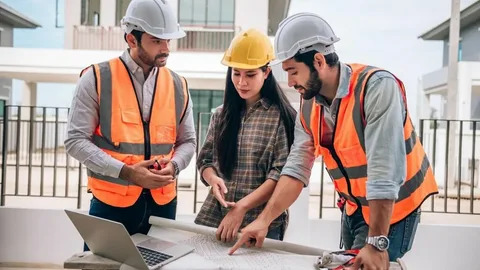
Key Points
- Large-scale construction projects follow a structured process from planning to handover.
- Stakeholders include architects, engineers, contractors, government bodies, and clients.
- Each phase—pre-construction, design, permitting, procurement, construction, and post-construction—has distinct objectives and challenges.
- Regulatory compliance, safety, budget management, and scheduling are critical to success.
- Utilizing experienced professionals such as a reliable general contractor is essential to manage complexity and ensure project completion.
1. Pre-Construction Phase
1.1 Feasibility Study
The first step in any large-scale construction project is determining whether the project is feasible. This includes evaluating the financial, environmental, and legal implications of developing the site. Factors such as zoning laws, soil quality, and access to utilities are assessed to determine viability.
1.2 Site Selection and Acquisition
After confirming the feasibility, a suitable location must be selected based on factors like accessibility, cost, and environmental impact. Once the site is identified, it must be acquired legally, often involving negotiations, land surveys, and title verification.
1.3 Initial Budgeting and Scheduling
Early budgeting and scheduling are essential to provide financial boundaries and timeframes. Cost estimators collaborate with engineers and planners to approximate costs based on project scope, design, and materials.
2. Design Phase
2.1 Conceptual and Schematic Design
Architects and engineers begin with high-level conceptual designs that outline the structure’s purpose, layout, and aesthetics. Schematic designs help stakeholders visualize the project and provide a foundation for more detailed planning.
2.2 Design Development
Detailed design development transforms conceptual sketches into technical blueprints. This phase includes structural engineering, mechanical systems, electrical layouts, and architectural detailing. It serves as a guide for cost estimation and construction planning.
2.3 Construction Documents
Once design development is complete, precise construction documents are drafted. These include specifications, detailed drawings, and materials lists. These documents are critical for bidding, permitting, and execution stages.
3. Permitting and Regulatory Approvals
No construction project can proceed without complying with local, state, and federal regulations. Permits may be required for zoning, environmental impact, building codes, fire safety, and more.
3.1 Environmental Impact Assessments
For large-scale projects, environmental assessments are often mandatory. These studies evaluate potential effects on ecosystems, water sources, and air quality. Public input may be sought during this process.
3.2 Building Permits and Inspections
Government agencies review construction documents to ensure code compliance. Once permits are granted, inspections are scheduled at various stages to verify safety and adherence to regulations.
4. Procurement Phase
4.1 Bidding and Contracting
Construction firms submit bids based on the construction documents. Project owners evaluate proposals based on cost, experience, and timelines. The selected bidder signs a construction contract outlining scope, deliverables, payment schedules, and dispute resolution methods.
4.2 Selecting a General Contractor
A general contractor plays a central role in coordinating the many moving parts of a construction project. They manage subcontractors, source materials, maintain safety standards, and ensure that the project remains within scope and budget.
4.3 Material Procurement and Logistics
Materials are procured based on construction schedules to minimize storage needs and avoid delays. Logistics planning ensures timely delivery and handling of materials, particularly for high-demand or specialized items.
5. Construction Phase
5.1 Site Preparation
Construction begins with preparing the site—clearing debris, grading land, and setting up temporary facilities like offices and utilities. Soil testing, excavation, and foundation work follow.
5.2 Structural Work
This stage includes framing, concrete pouring, and steel erection. It's the backbone of the structure and often the most time-consuming and resource-intensive part of the build.
5.3 Mechanical, Electrical, and Plumbing (MEP)
Parallel to structural work, specialists install MEP systems. These include HVAC systems, water and sewage lines, and electrical infrastructure. Precision is critical here to avoid future maintenance issues.
5.4 Interior and Exterior Finishing
After MEP installation, focus shifts to finishes—drywall, flooring, painting, windows, and roofing. Exterior features like landscaping, parking lots, and signage are also completed.
5.5 Quality Control and Safety Monitoring
Throughout the construction phase, quality control is performed via regular inspections, material testing, and cross-checking with design documents. Safety officers ensure OSHA compliance and enforce site safety protocols.
6. Post-Construction Phase
6.1 Final Inspection and Commissioning
Once construction is completed, final inspections assess structural integrity, system functionality, and safety compliance. Commissioning ensures that all systems—HVAC, plumbing, electrical—perform as intended.
6.2 Handover and Occupancy
The project is officially handed over to the owner along with warranties, operation manuals, and compliance certificates. At this point, the building may be occupied for its intended use.
6.3 Maintenance Planning
Long-term success depends on ongoing maintenance. A strategy is developed for routine inspections, repairs, and facility management, often including service contracts with vendors and technicians.
7. Challenges in Large-Scale Construction
- Budget Overruns: Due to market volatility, scope changes, or unforeseen site conditions.
- Delays: Often caused by weather, supply chain disruptions, or permitting holdups.
- Labor Shortages: Skilled labor is critical but often in high demand.
- Safety Risks: Larger sites mean more personnel and increased hazards.
- Regulatory Complexity: Navigating varying codes and standards can be daunting.
8. The Role of Technology in Construction
Modern construction benefits significantly from technology, including Building Information Modeling (BIM), drones for site surveys, and project management software that facilitates real-time collaboration.
These technologies help improve accuracy, reduce waste, and promote better communication among stakeholders.
FAQ: Frequently Asked Questions
What is considered a large-scale construction project?
Projects such as office towers, hospitals, highways, and industrial complexes typically fall into the large-scale category. They generally involve significant budgets, extended timelines, and multidisciplinary teams.
How long does a large-scale construction project take?
Depending on scope and complexity, these projects can take anywhere from 12 months to several years. Factors like weather, permitting, and labor availability can impact the schedule.
What is the role of a general contractor in such projects?
A general contractor oversees the daily operations on the site, manages subcontractors, handles scheduling and procurement, and ensures compliance with safety and building standards.
What are the biggest risks in large-scale construction?
Common risks include budget overruns, delays, safety incidents, and legal disputes. Effective project management and risk mitigation strategies are critical to minimizing these issues.
How does sustainability fit into large-scale construction?
Sustainable construction considers energy efficiency, waste reduction, and environmentally friendly materials. LEED certification and green building practices are increasingly common in large projects.
Can changes be made after construction has started?
Yes, but change orders can impact the budget and timeline. It’s best to finalize design and planning as thoroughly as possible before breaking ground.
Who are the key stakeholders in a large-scale project?
Stakeholders typically include the project owner, architects, engineers, contractors, financiers, government agencies, and end-users or tenants.