Skip hire is an essential service for waste management, particularly for construction projects, home renovations, and large-scale clean-ups. However, hiring a skip is not as simple as placing it on your property or a public road. There are specific regulations and permits that individuals and businesses must comply with to ensure legal and responsible waste disposal. Understanding these requirements can help you avoid fines and ensure smooth operations.
When Do You Need a Skip Hire Permit?
A skip hire permit, also known as a skip licence, is required when placing a skip on public land, such as a roadside, pavement, or any area not privately owned. Local councils regulate the use of public spaces for waste disposal, and obtaining a permit ensures that skips do not obstruct traffic, cause safety hazards, or violate environmental regulations. If the skip is placed on private property, such as a driveway or construction site, a permit is generally not required. However, it is always advisable to check with your local authority.
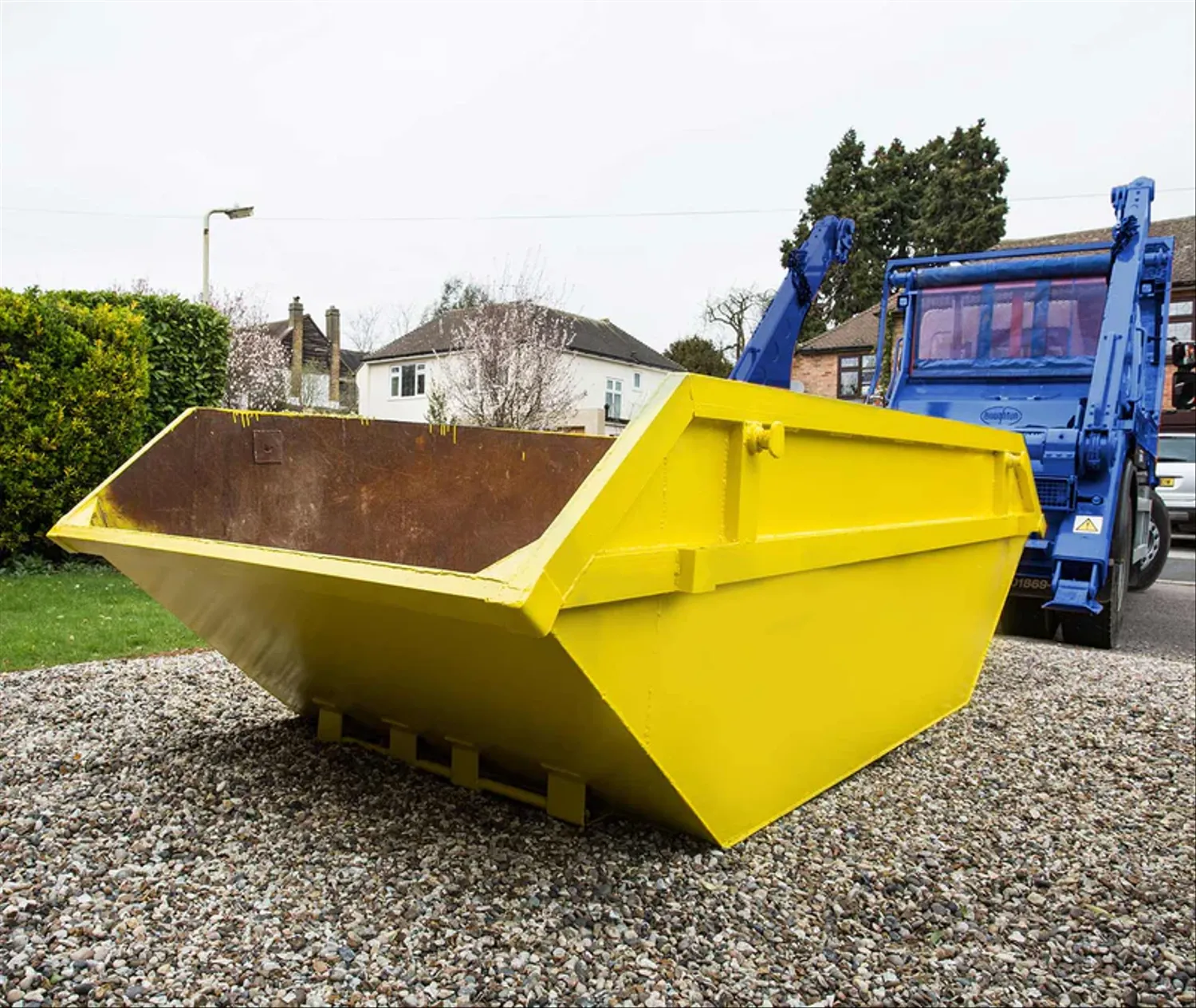
How to Apply for a Skip Hire Permit
Skip hire permits are issued by local councils, and the process varies depending on the region. Typically, the skip hire company applies for the permit on behalf of the customer, ensuring compliance with all necessary guidelines. The cost of a permit varies by location and can range from a nominal fee to a more significant charge, depending on the duration and size of the skip. In most cases, permits are valid for a set period, after which they must be renewed or the skip removed.
Regulations Governing Skip Hire
- Several regulations govern skip hire to ensure safety and environmental responsibility. These include:
- Proper Placement: Skips must not obstruct pedestrian pathways, block driveways, or interfere with road access.
- Reflective Markings and Lights: If a skip is placed on a public road, it must be fitted with reflective markings and warning lights to prevent accidents, especially at night.
- Waste Restrictions: Hazardous waste, such as asbestos, electrical appliances, and chemicals, cannot be disposed of in regular skips. Specialised disposal methods must be used for such materials.
Conclusion
Understanding skip hire regulations and permits is crucial for legal and responsible waste disposal. Whether you are a homeowner or a business, ensuring compliance with local regulations helps prevent legal issues and promotes efficient waste management. Always consult your skip hire provider and local council to ensure that all necessary permits and guidelines are followed.
Contact Us
What Skip?
Address: 41 Mere View Industrial Estate, Peterborough, Cambridgeshire, PE7 3HS
Phone Number: 03316 303 393
Email: sales@whatskip.co.uk
External Links