Porta Cabin is a prefabricated, mobile, and rapidly deployable container building unit manufactured in a factory. It transcends the simple concept of a "temporary mobile home," representing a modern modular building philosophy centered on efficiency, flexibility, and sustainability. Its core characteristic lies not merely in its "mobility," but in its complete prefabrication, standardized interfaces, and rapidly integrated systems, making it a "plug-and-play" spatial solution.
Structure and Manufacturing Principles
A standard Porta Cabin typically features a robust steel frame structure, with walls and roof constructed from insulated, fire-resistant metal sandwich panels. Its core technology lies in the fact that all systems, including electrical wiring, lighting, sockets, air conditioning ducts, and even interior finishing, are completed on a controlled factory assembly line. This "product-oriented" production model ensures extremely high quality consistency and minimizes uncontrollable environmental, weather, and human errors inherent in traditional on-site construction. The completed unit is a fully functional, independent spatial module that can be transported to the site by truck.
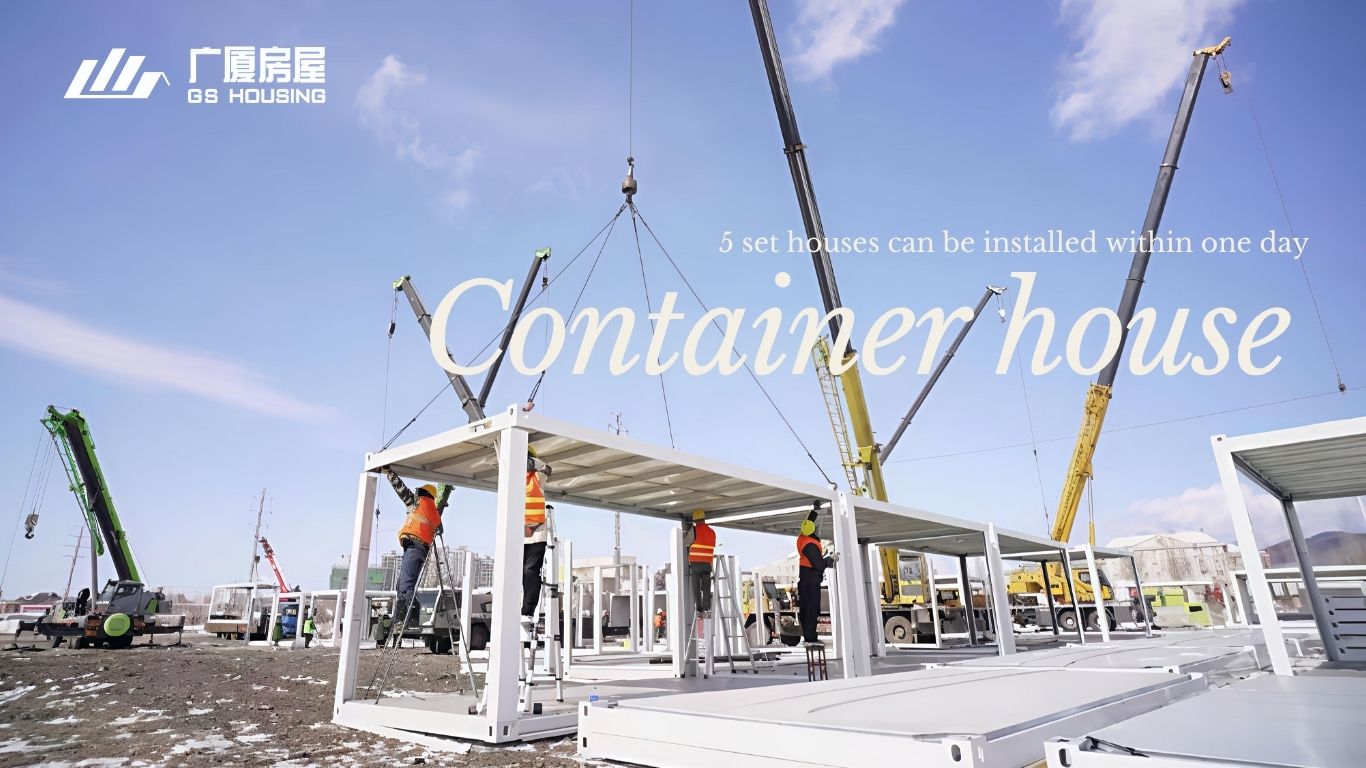
Core Features: Efficiency and Flexibility
Rapid Deployment: This is Porta Cabin's most significant advantage. On-site work is simplified to foundation preparation, hoisting and positioning, module connection, and final external utilities connection. An office space of several hundred square meters can be built from scratch in just a few days, making it 60%-80% faster than traditional buildings.
Flexible Expansion and Reconfiguration: Thanks to standardized design, multiple Porta Cabin modules can be connected horizontally or vertically like building blocks to create larger spaces. When needs change, these modules can be decoupled, moved to new locations, and reassembled, achieving "recycling" of the building and lowering total lifecycle costs.
Reduced On-Site Disruption: For locations highly sensitive to construction noise, dust, and schedules, such as schools, hospitals, operating factories, or downtown commercial districts, Porta Cabin's "silent construction" model (primarily completed in the factory) offers significant value, minimizing disruption to existing operations.
Wide Range of Applications
Its applications have permeated all aspects of modern society:
Business and Office: Rapidly deployable sales centers, construction site command centers, expanded office spaces in industrial parks, and temporary bank branches.
Education and Social Services: Temporary classrooms to cope with fluctuations in school enrollment, campus laboratories, community clinics, and vaccination stations.
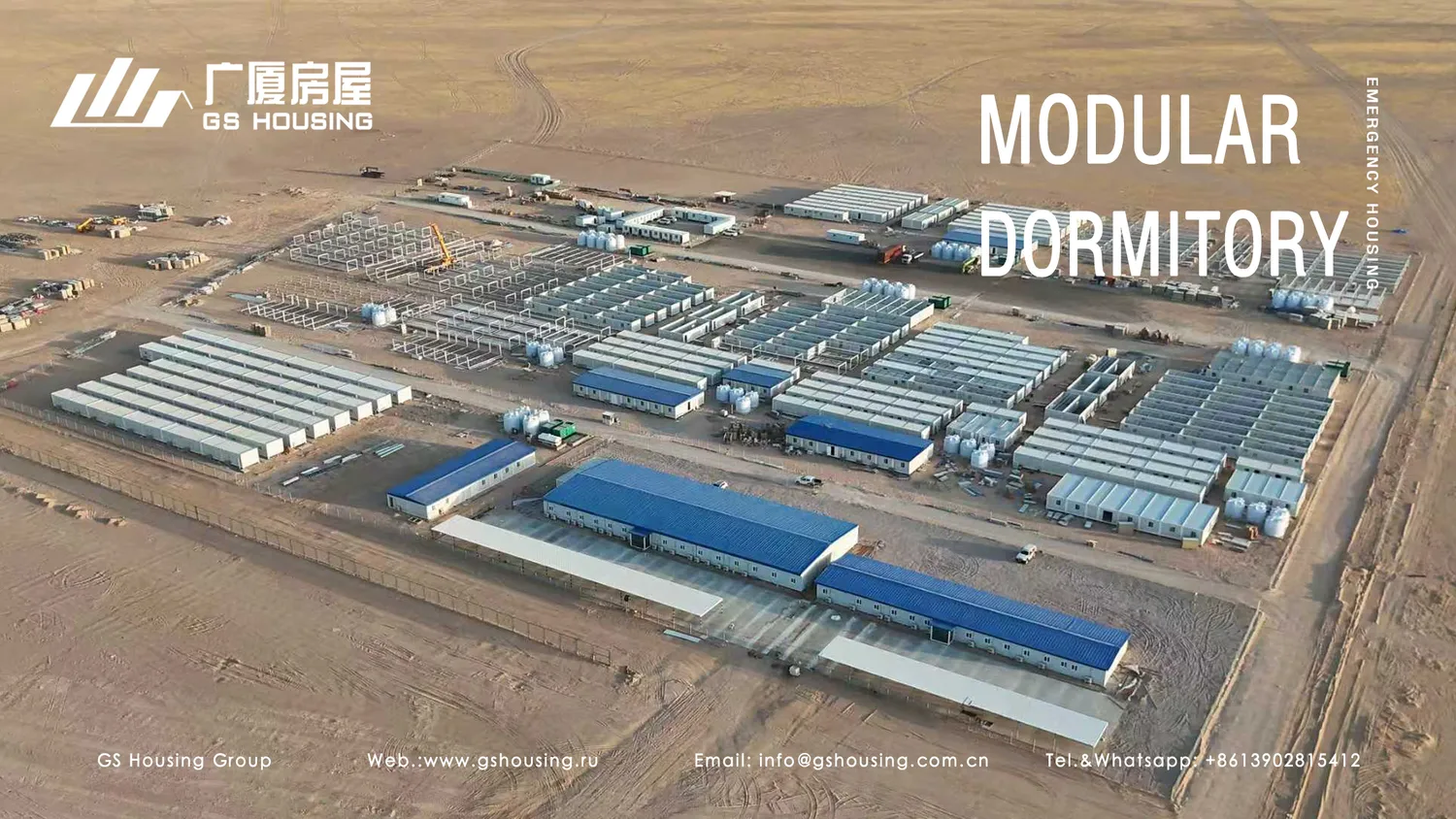
Industry and Infrastructure: Remote camps in mines and oil fields, worker living quarters for large-scale infrastructure projects, and equipment control rooms.
Emergency and Public Utilities: Emergency command centers during disasters, temporary shelters, and on-site workstations for municipal maintenance teams.
Modern Evolution: From Temporary to "Permanent Temporary"
Today's Porta Cabin has long since shed its rudimentary image. Through high-quality materials and design, its lifespan and comfort have been significantly improved, and its appearance can be enhanced through a variety of curtain wall materials, making it a "permanent temporary building." It is not only a tool for solving urgent needs but also a rational strategic choice: businesses or institutions can obtain high-quality space with minimal initial investment and in the shortest time, while retaining ultimate flexibility for future adjustments or relocations based on development changes.
In conclusion, Porta Cabin is a typical product of modern industrialized construction. It replaces non-standard "construction" with standardized "manufacturing" and uncertain on-site conditions with predictable processes. Essentially, it provides a highly efficient, low-risk, and highly flexible way of acquiring space and is an important infrastructure for meeting the needs of a rapidly developing and changing era.