This article explores the effectiveness of Invisalign in correcting overbite problems, highlighting its potential as a successful orthodontic treatment option.
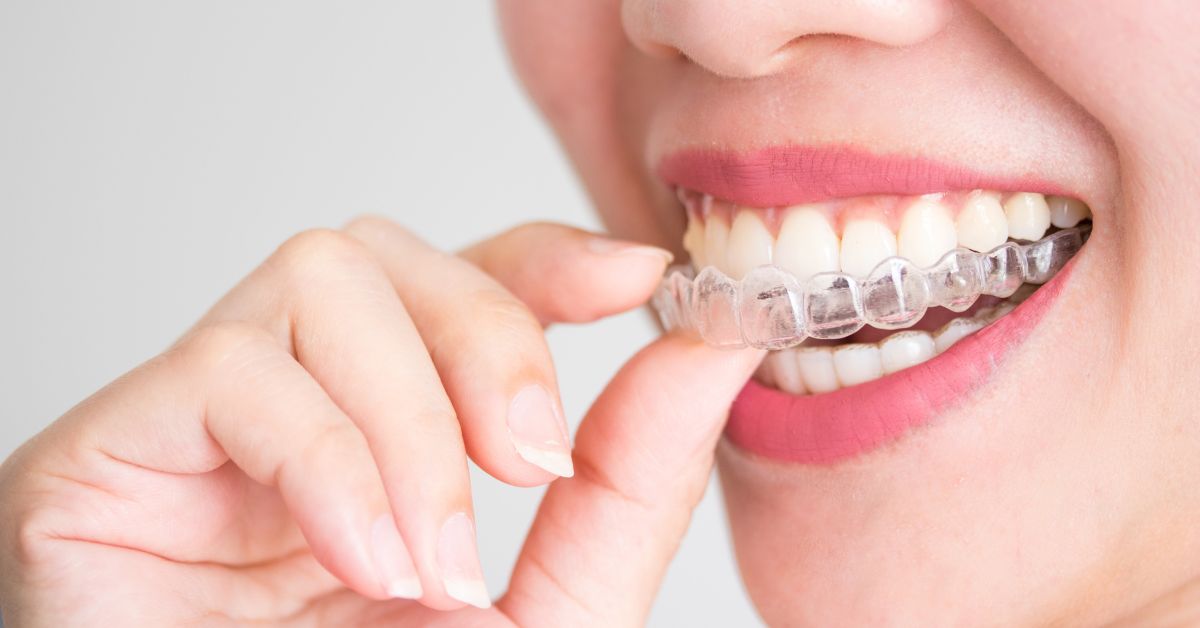
What is Invisalign?
Invisalign represents a modern and innovative approach to orthodontic treatment, offering a discreet and comfortable way to align teeth effectively. By employing a series of custom-made clear aligners, Invisalign gently guides teeth into their desired positions. Unlike traditional braces, these nearly invisible aligners are removable, making oral hygiene easier and allowing individuals to enjoy their favorite foods without restrictions. With its ability to address various dental concerns, including overbite problems, Invisalign has become a popular choice for those seeking a more aesthetically pleasing and convenient path to a confident smile.
What is Overbite?
An overbite is a common dental condition characterized by the upper front teeth overlapping significantly with the lower front teeth when the mouth is closed. In individuals with an overbite, the upper teeth cover a larger portion of the lower teeth than is considered normal. This condition can vary in severity, and if left unaddressed, it may lead to issues such as difficulty in chewing, speech problems, and potential jaw or teeth misalignment. Orthodontic treatments, including Invisalign, are often used to correct overbite problems and achieve a more balanced and functional bite.
Note: - There are a few things about overbite that you should know before the treatment.
Invisalign Fix Overbite Process
The Invisalign process for fixing overbite typically involves the following steps:
- Consultation and Examination: The first step is to schedule a consultation with an orthodontist experienced in Invisalign treatment. During the examination, the orthodontist will assess your dental condition, including the severity of the overbite, and determine if Invisalign is the right treatment option for you.
- Custom Treatment Plan: If Invisalign is deemed suitable for your case, the orthodontist will create a custom treatment plan. Advanced 3D imaging technology will be used to design a series of clear aligners that will gradually move your teeth into the correct position.
- Aligner Fitting: Once the custom aligners are ready, you will be fitted with the first set. The aligners are made of smooth, BPA-free plastic, ensuring comfort and convenience during the treatment process.
- Wear and Change: You will wear each set of aligners for approximately two weeks, 22 hours a day, removing them only while eating, drinking, and brushing your teeth.
- Gradual Progression: As you progress through the aligner sets, your teeth will gradually shift into their correct positions, targeting the overbite issues.
- Regular Check-ups: Throughout the treatment, you will have periodic check-ups with your orthodontist to monitor progress and make any necessary adjustments.
- Completion and Retainers: Once the treatment is complete, your orthodontist may recommend using retainers to maintain the new alignment of your teeth and prevent any relapse.
Invisalign's discreet and efficient system offers a convenient solution for correcting overbite problems, providing you with a confident and harmonious smile. However, it's essential to follow your orthodontist's instructions diligently to achieve the best results from the Invisalign overbite correction process.
In Conclusion
Invisalign offers a highly effective and discreet solution for fixing overbite problems. With its custom-made clear aligners and gradual teeth-shifting process, Invisalign can help achieve a well-aligned and harmonious smile. By seeking a consultation with an experienced orthodontist and following the prescribed treatment plan diligently, individuals can experience the benefits of Invisalign's innovative approach to orthodontic correction, gaining not only an improved bite but also enhanced self-confidence throughout the treatment journey.