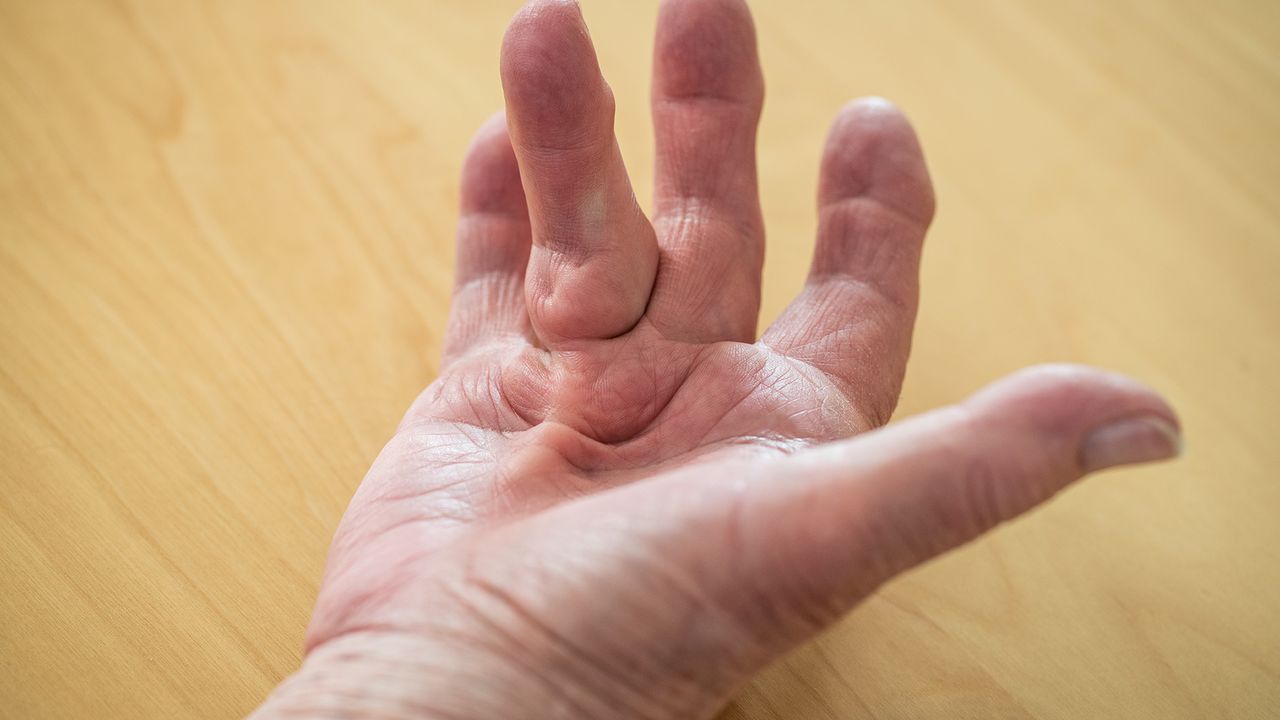
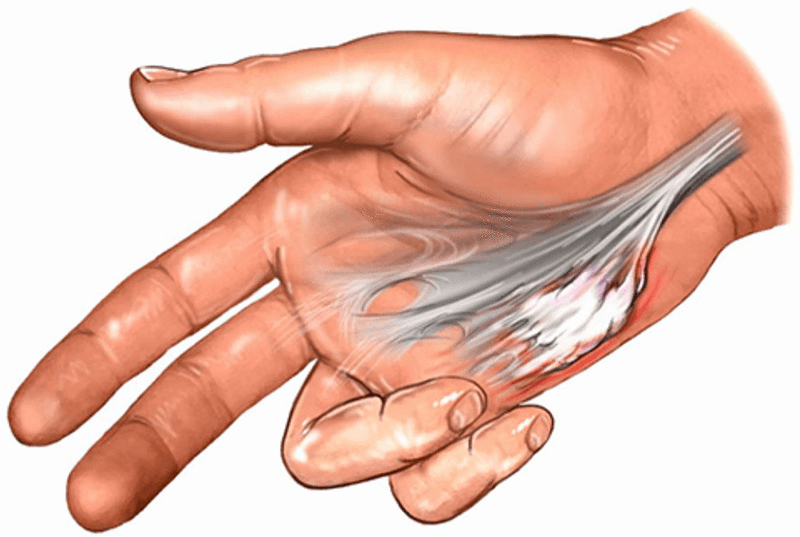
Dupuytren's contracture is a condition that primarily affects the hands, causing fingers to curl inward due to thickening of the tissue beneath the skin. It progresses gradually and may not be painful initially, but over time, it can lead to significant functional impairment. The ring and pinky fingers are the most commonly affected, although other fingers may also be involved. The condition is more prevalent in individuals of Northern European descent and is believed to have a genetic component. Despite its prevalence, the exact cause of Dupuytren's contracture remains unknown.
Early Signs and Symptoms
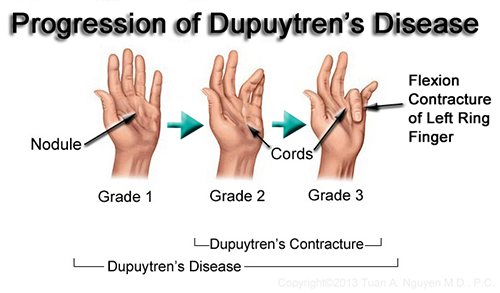
The initial signs of Dupuytren's contracture often go unnoticed, as they can be mild and painless. The condition typically begins with the formation of small lumps or nodules in the palm, which are often mistaken for calluses. Over time, these nodules can develop into thick cords of tissue, pulling the affected fingers towards the palm. The process is usually slow, taking months or even years to become noticeable. Early detection is important for managing the condition and preventing severe contractures that can limit hand function.
Affected Fingers and Hand Function
Dupuytren's contracture most commonly affects the ring and pinky fingers, causing them to curl towards the palm. In severe cases, other fingers may also be involved, leading to a significant loss of hand function. The condition can make everyday tasks, such as gripping objects or shaking hands, challenging. As the fingers contract, it becomes increasingly difficult to straighten them, and in advanced stages, the fingers may be permanently bent. The impact on hand function varies depending on the severity of the contracture.
Causes and Risk Factors
While the exact cause of Dupuytren's contracture is still unclear, several risk factors have been identified. Genetics play a significant role, as the condition often runs in families, particularly those of Northern European descent. Men over the age of 50 are more likely to develop the condition, and it is also associated with certain medical conditions such as diabetes and epilepsy. Lifestyle factors like smoking and alcohol consumption may also increase the risk. Despite these associations, the precise mechanisms behind Dupuytren's contracture remain unknown.
Diagnosis of Dupuytren's Contracture
Dupuytren's contracture is typically diagnosed through a physical examination by a healthcare provider. The diagnosis is based on the presence of thickened tissue in the palm and the degree of finger contracture. In some cases, additional tests such as imaging may be used to assess the extent of the condition. Early diagnosis is crucial for managing Dupuytren's contracture effectively, as it allows for timely intervention before significant contractures develop. Patients are encouraged to seek medical advice if they notice any lumps or changes in their hands.
Progression and Stages of Dupuytren's Contracture
Dupuytren's contracture progresses slowly, often over several years. The condition typically starts with mild symptoms, such as lumps in the palm, which gradually worsen over time. As the tissue thickens, it forms cords that pull the fingers towards the palm, leading to contractures. The progression varies from person to person, with some experiencing rapid worsening while others may have a more gradual course. The condition can be staged based on the degree of finger contracture and its impact on hand function.
Pain and Discomfort in Dupuytren's Contracture
Unlike many other hand condition first ns, Dupuytren's contracture is usually not associated with pain. However, some individuals may experience discomfort or tenderness in the early stages, particularly when the nodules appear. As the condition progresses, the pain typically subsides, but the functional impairment becomes more pronounced. In some cases, the thickened cords may cause irritation or pressure on surrounding tissues, leading to intermittent discomfort. Pain management is rarely a focus of treatment, as the primary concern is restoring hand function.
Non-Surgical Treatment Options
There are several non-surgical treatment options available for managing Dupuytren's contracture, particularly in the early stages. These include observation, splinting, and steroid injections, which can help reduce inflammation and slow the progression of the condition. Enzyme injections, such as collagenase, are a newer treatment option that works by weakening the thickened cords, allowing the fingers to straighten. Needle aponeurotomy is another minimally invasive procedure that involves breaking the cords with a needle. These treatments can be effective in delaying the need for surgery.
Needle Aponeurotomy: A Minimally Invasive Approach
Needle aponeurotomy is a minimally invasive procedure used to treat Dupuytren's contracture. It involves the use of a fine needle to break the thickened cords of tissue in the palm, allowing the affected fingers to straighten. The procedure is performed under local anesthesia and typically takes only a few minutes. Recovery time is relatively short, and patients can often resume normal activities within a few days. While needle aponeurotomy is effective for many patients, there is a risk of recurrence, particularly in more advanced cases.
Collagenase Injections for Dupuytren's Contracture
Collagenase injections are a non-surgical treatment option for Dupuytren's contracture. The enzyme collagenase is injected directly into the thickened cords of tissue, weakening them and making them easier to break. This allows the fingers to straighten with minimal intervention. The procedure is usually performed in an outpatient setting, and patients can expect a relatively quick recovery. Collagenase injections are particularly useful for patients with moderate contractures who want to avoid surgery. However, like other non-surgical treatments, there is a possibility of recurrence.
When to Consider Surgery for Dupuytren's Contracture
Surgery is typically recommended for Dupuytren's contracture when the condition has progressed to the point where it significantly impairs hand function. This is often the case when the fingers are unable to straighten, making everyday tasks difficult or impossible. Surgical options include fasciectomy, where the thickened tissue is removed, and dermofasciectomy, which also involves removing affected skin. The decision to undergo surgery is based on the severity of the contracture, the patient's overall health, and their personal preferences.
Surgical Procedures and Outcomes
Surgical procedures for Dupuytren's contracture aim to release the contracted fingers and restore hand function. The most common surgeries include fasciectomy, where the thickened tissue is removed, and dermofasciectomy, which also involves the removal of skin. In severe cases, a more extensive procedure known as a joint fusion may be required. Recovery from surgery can take several weeks to months, depending on the extent of the procedure. While surgery can be highly effective, there is a risk of complications such as infection, nerve damage, and recurrence.
Recovery and Rehabilitation After Surgery
Recovery after surgery for Dupuytren's contracture varies depending on the type of procedure performed. Patients typically experience swelling, stiffness, and limited hand function in the immediate post-operative period. Physical therapy plays a crucial role in the rehabilitation process, helping to restore strength, flexibility, and range of motion. Splinting and exercises are often recommended to prevent the recurrence of contractures. Full recovery can take several months, and patients are advised to follow their surgeon's instructions closely to achieve the best possible outcome.
Recurrence of Dupuytren's Contracture
One of the challenges in managing Dupuytren's contracture is the potential for recurrence, even after successful treatment. Non-surgical treatments such as needle aponeurotomy and collagenase injections have a higher recurrence rate compared to surgical interventions. However, even after surgery, there is a possibility that the condition may return over time. The risk of recurrence depends on factors such as the severity of the original contracture, the patient's age, and the specific treatment used. Ongoing monitoring and follow-up care are essential to manage any recurrence.
The Role of Physical Therapy
Physical therapy is an important component of the management of Dupuytren's contracture, particularly after surgery. Therapists work with patients to improve hand function, maintain range of motion, and reduce stiffness. Exercises are designed to strengthen the hand and fingers, while splinting may be used to prevent the recurrence of contractures. Physical therapy can also help patients adapt to any changes in hand function and improve their ability to perform daily activities. Early intervention with therapy can enhance recovery and overall outcomes.
Genetic Factors and Family History
Genetic factors play a significant role in the development of Dupuytren's contracture. The condition is more common in individuals of Northern European descent and often runs in families. If a close relative, such as a parent or sibling, has Dupuytren's contracture, the likelihood of developing the condition is higher. Understanding the genetic component can help in early detection and management, particularly in individuals who are at increased risk. While there is no way to prevent Dupuytren's contracture, awareness of family history can lead to earlier intervention.
Age, Gender, and Dupuytren's Contracture
Dupuytren's contracture is more common in men than women, with a higher prevalence in those over the age of 50. The condition tends to progress more rapidly in older individuals, and the severity of contractures often increases with age. Men are not only more likely to develop Dupuytren's contracture, but they are also more likely to experience severe contractures that require surgical intervention. Understanding the demographic factors associated with Dupuytren's contracture can help in identifying those at risk and providing appropriate care.
Associated Medical Conditions
Dupuytren's contracture is sometimes associated with other medical conditions, including diabetes, epilepsy, and alcoholism. The condition is more common in individuals with diabetes, particularly those with poorly controlled blood sugar levels. Epilepsy medications, such as phenytoin, have also been linked to an increased risk of Dupuytren's contracture. Additionally, chronic alcohol consumption may contribute to the development of the condition. While the exact mechanisms are not fully understood, these associations highlight the importance of considering overall health when managing Dupuytren's contracture.
Impact on Daily Life and Activities
Dupuytren's contracture can have a significant impact on daily life, particularly as the condition progresses. The contractures can make simple tasks, such as gripping objects, writing, or shaking hands, difficult or impossible. In severe cases, the loss of hand function can affect a person's ability to work, particularly in occupations that require manual dexterity. Adapting to these challenges may require modifications to daily activities or the use of assistive devices. Early treatment and physical therapy can help mitigate the impact on daily life.
Managing Dupuytren's Contracture Over Time
Managing Dupuytren's contracture is an ongoing process that requires regular monitoring and follow-up care. The condition is chronic and may recur even after successful treatment. Patients are encouraged to maintain open communication with their healthcare providers and seek treatment at the first sign of recurrence. Non-surgical treatments, physical therapy, and lifestyle modifications can help manage symptoms and slow the progression of the condition. A proactive approach to care can improve long-term outcomes and help maintain hand function over time.
Conclusion
Dupuytren's contracture is a complex condition that affects hand function and quality of life. While the exact cause remains unknown, genetic factors, age, and gender play significant roles in its development. The condition progresses slowly, and early intervention is key to managing symptoms and preventing severe contractures. Treatment options range from non-surgical approaches, such as enzyme injections and needle aponeurotomy, to surgical procedures. Recurrence is a common challenge, making ongoing care and physical therapy essential. By understanding the risk factors, symptoms, and treatment options, patients can better navigate the challenges of Dupuytren's contracture and maintain hand function over time.
FAQs
What is Dupuytren's contracture and how does it affect the hand?
Dupuytren's contracture is a condition where the tissue beneath the skin of the palm thickens and tightens, causing one or more fingers to bend inward towards the palm. This thickening forms cords that pull the fingers into a curled position, which can significantly impair hand function and make it difficult to perform everyday tasks.
What are the early symptoms of Dupuytren's contracture?
Early symptoms of Dupuytren's contracture include the formation of small lumps or nodules in the palm, which may be mistaken for calluses. As the condition progresses, these nodules can develop into thick cords of tissue that pull the fingers inward, making them increasingly difficult to straighten.
What causes Dupuytren's contracture, and are there any known risk factors?
The exact cause of Dupuytren's contracture is unknown, but it is believed to be related to genetic factors, particularly in individuals of Northern European descent. Risk factors include being male, over the age of 50, having a family history of the condition, and having certain medical conditions such as diabetes, epilepsy, or alcoholism.
How is Dupuytren's contracture diagnosed?
Dupuytren's contracture is diagnosed through a physical examination by a healthcare provider, who will look for thickened tissue in the palm and assess the degree of finger contracture. In some cases, imaging tests may be used to evaluate the extent of the condition.
What non-surgical treatments are available for Dupuytren's contracture?
Non-surgical treatments for Dupuytren's contracture include observation, splinting, and steroid injections to reduce inflammation. Enzyme injections, such as collagenase, can weaken the thickened cords of tissue, while needle aponeurotomy involves breaking the cords with a needle. These treatments can help manage symptoms and delay the need for surgery.
When is surgery necessary for Dupuytren's contracture?
Surgery for Dupuytren's contracture is typically considered when the condition has progressed to the point where it significantly impairs hand function. This is often indicated by severe finger contractures that interfere with daily activities. Surgical options include fasciectomy or dermofasciectomy, depending on the severity.
What does recovery from Dupuytren's contracture surgery involve?
Recovery from Dupuytren's contracture surgery involves managing swelling and stiffness, with physical therapy playing a crucial role in restoring hand function. Patients may need to perform specific exercises and wear splints to maintain range of motion and prevent recurrence. Full recovery can take several weeks to months.