In today’s fast-paced world of power distribution, optimizing HT Panels (High Tension Panels) for a Packaged Substation has become crucial for ensuring efficiency, reliability, and safety. Whether you're managing a large industrial unit or a residential township, understanding how to enhance the performance of HT Panels can help you reduce energy loss, avoid downtimes, and extend equipment life.
This article offers a simple and practical guide for optimizing HT Panels for a high-performance Packaged Substation, making it easy to understand for all age groups and experience levels.
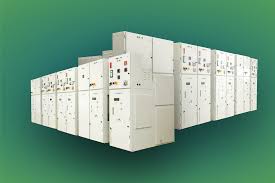
What Are HT Panels?
HT Panels, or High Tension Panels, are electrical devices used to receive power at high voltage (typically above 11kV) and distribute it safely after stepping it down via transformers. These panels form the backbone of any Packaged Substation, helping to regulate voltage, protect equipment, and distribute power efficiently.
Importance of Packaged Substation in Power Distribution
A Packaged Substation is a compact and pre-engineered unit that includes a transformer, HT Panels, LT Panels, and protection devices all assembled in a single enclosure. It is used for fast and reliable power distribution in areas with space constraints.
The performance of a Packaged Substation largely depends on how well its HT Panels are managed and optimized.
Key Ways to Optimize HT Panels
1. Choose Quality Equipment
The first step in optimization is selecting HT Panels that are manufactured with high-quality materials. Insulated busbars, reliable circuit breakers, and proper enclosure design ensure safe and efficient operation.
2. Ensure Proper Sizing
An incorrectly sized HT Panel can cause overloads or underutilization. The panel capacity must match your load requirements. Consider future expansions to avoid the need for upgrades.
3. Install Protective Devices
Use relays, circuit breakers, and lightning arresters to safeguard the HT Panels from faults and surges. These devices should be calibrated correctly and tested regularly.
4. Efficient Layout Design
HT Panels should be installed in a way that allows for easy access and ventilation. Overheating is a major cause of equipment failure, so proper spacing and cooling systems are essential.
5. Regular Inspection and Maintenance
Routine checks help detect issues early. Cleaning, tightening connections, and replacing worn-out parts can enhance the panel’s lifespan and performance.
6. Real-Time Monitoring Systems
Installing smart sensors and monitoring systems in HT Panels allows for real-time data collection on voltage, current, temperature, and energy usage. These insights help in proactive decision-making.
7. Follow Safety Standards
Always comply with national and international electrical safety standards. Ensure the HT Panels are earth-connected, and operators are trained in basic electrical safety protocols.
8. Upgrade Outdated Panels
Technology in electrical systems is constantly evolving. If your existing HT Panels are more than 10–15 years old, consider upgrading to energy-efficient and smart models for better performance.
Benefits of Optimized HT Panels in a Packaged Substation
Optimizing HT Panels provides multiple advantages:
- Improved energy efficiency
- Reduced chances of equipment failure
- Lower maintenance costs
- Increased safety for personnel and equipment
- Enhanced reliability of the power distribution system
- Better load management
These benefits collectively improve the performance of your Packaged Substation, helping in smooth and uninterrupted power distribution.
Common Mistakes to Avoid
Avoid these common mistakes when optimizing HT Panels:
- Using substandard or non-certified components
- Skipping preventive maintenance
- Overloading the panel beyond its rated capacity
- Ignoring ventilation and cooling requirements
- Not installing surge protection devices
Correcting these issues can significantly enhance the effectiveness of your HT Panels and the overall Packaged Substation.
Role of Professional Assistance
While basic inspections can be done in-house, optimizing HT Panels for a Packaged Substation is a technical task that may require professional expertise. Electrical engineers and specialized technicians can conduct energy audits, recommend the right equipment, and install advanced monitoring systems for better performance.
Conclusion
Optimizing HT Panels for a high-performance Packaged Substation is not just a technical need—it is a strategic investment in your power system’s future. From choosing the right equipment and ensuring safety to integrating smart technologies and conducting regular maintenance, each step plays a crucial role in achieving peak performance.
Whether you are setting up a new substation or upgrading an existing one, following these best practices will help you achieve better efficiency, safety, and reliability.
For high-quality HT Panels and complete solutions for packaged substations, Western Control Automation Pvt. Ltd. stands as a trusted name in the industry.